Marvin Gaye’s What’s Going On is the definitive "woke" masterpiece in its truest sense, trading standard pop formulas for a breathing, jazzy soul suite that remains an essential piece of "workers' music" today. The album functions as a continuous conversation where songs blend seamlessly into one another—highlighted by the distinct, hypnotic percussion on "Right On"—to deliver direct, urgent messaging on anti-war sentiment, environmental protection, and the pressures of capitalism. It is a soulful, atmospheric pillar of social commentary that feels just as relevant to the modern struggle as it did in 1971, proving that high-concept political art can still possess a deep, effortless groove.
The Smiths’ The Queen Is Dead is a compelling yet occasionally jarring experience that balances sonic aggression with poetic melancholy. The title track is a standout opener, evolving from a heavy, high-energy start into a sophisticated "prog-rock" finish fueled by great harmonies. While the album hits emotional peaks with the beautiful despair of "I Know It's Over" and the intense, tense atmosphere of "Never Had No One Ever," it does have its hurdles; "Cemetry Gates" features nice lyrics but a melody that feels almost too low-effort, and "The Boy With the Thorn in His Side" is hampered by some eccentric vocal choices. However, the high-energy riffs of "Bigmouth Strikes Again" and the transcendent "There Is a Light That Never Goes Out" anchor the record, bringing a sense of fulfillment to an album that masterfully captures the essence of loneliness. While tracks like "Vicar in a Tutu" feel like duds, the overall collection of gems makes it a powerful listen.
Frank Sinatra’s Songs for Swingin' Lovers! is a collection of romantic standards where the vocals are the undisputed centerpiece, supported by a cheeky lyrical wit that still charms. While the opening track, "You Make Me Feel So Young," is a standout, the true highlight is "I’ve Got You Under My Skin," which features a brilliant, driving build-up toward a grand finale. However, the early-to-mid section of the record feels undeniably dated, relying on a mid-century formula that can come across as "bland" or "non-offensive." Despite its groovy, consistent basslines, the album often feels like high-end background noise—perfect for a boutique coffee shop, but perhaps too safe for a deep listen. It’s an easy, sophisticated listen, but it lacks the edge needed to be truly gripping.
The listener’s journey through Doolittle is a mix of high-energy "bangers" like the vocal powerhouse "Crackity Jones" and the upbeat "Mr. Grieves," contrasted with tracks like "Tame" and "I Bleed" that fail to land. While the catchy accessibility of "Here Comes Your Man" and the eerie, medieval atmosphere of "Silver" stand out, much of the record, including the cryptic "Monkey Gone to Heaven" and the unintelligible "Dead" feels jarring or incoherent. This lack of cohesion, paired with a stylistic range that echoes both the punk energy of Green Day and the grunge foundations of Nirvana, results in a 4/5 rating, suggesting the album is a product of its time that requires specific context to fully appreciate.
While the title track, "My God," and "Hymn 43" provide some much-needed momentum, the rest of Aqualung simply didn't do anything for me. The constant presence of the flute was an interesting choice that gave the album a distinct folk-style flair, but that novelty couldn't mask the fact that the record felt way too long and bloated. Overall, I felt like I wasted my time on a listening experience that didn't justify its runtime.
Crosby, Stills, Nash & Young’s Déjà Vu is a standout country-rock masterpiece that thrives on the individual strength of its tracks despite a lack of thematic consistency. While "Carry On" is a classic, the mix is incredibly jarring on headphones due to the dated "hard-panning," which shoves the guitar aggressively into one ear and creates a lopsided, exhausting listening experience. Beyond that technical hurdle, the album balances grit and grace, moving from the dark, visceral loneliness of "4+20" to the oddly soothing imagery of "Helpless" and the domestic gratitude of "Our House." While "Almost Cut My Hair" strikes a more eccentric note, the record finds its peak in the title track’s Pink Floyd-esque tempo shifts and the timeless resonance of "Woodstock." Ending on the high note of "Everybody I Love You," the album earns a 5/5 for its ability to transform disparate moods—from country-tinged social commentary to grand, theatric climaxes—into one of the genre's most essential listening experiences.
Is This It often feels more like a low-budget demo than a definitive classic, starting with a title track that serves as a total dud thanks to vocals so compressed they sound like they're coming through a walkie-talkie. This suffocating production leaves the kicks sounding flat and the instrument separation muddy, exacerbated by drumming throughout the entire album that feels notably weak and amateurish. While "Hard to Explain" and "Trying Your Luck" stand out as some of the better, more competent cuts, the record constantly slides back into mediocrity with tracks like "When It Started," "Soma," and "Barely Legal" failing to leave any lasting impression. Even the catchy hooks of "Someday" and "Last Nite" are undercut by technical flaws like a poor guitar solo, and the experience drags to a halt with "Take It or Leave It," an ending song that is also bad and fails to provide a strong finish. Ultimately, the entire album sounds like a high school band made it, and despite a few highlights, it is a weak effort that I’m leaving for sure.
The Human League’s Dare stands as a definitive, if uneven, blueprint for the heavy dance-pop era, successfully blending "whacky" synth melodies with a rhythmic groove that keeps the listener engaged—at least initially. The album opens with the anthemic "The Things That Dreams Are Made Of," setting a high bar that tracks like the MJ-influenced "The Sound of the Crowd" and the impeccably mixed "Do or Die" manage to maintain through sharp production and clever instrumental layering. However, the record’s momentum is frequently hampered by a lack of vocal range and tracks that feel musically stagnant; "Open Your Heart" leans into an interesting Galactica-style sci-fi vibe but quickly becomes tedious, while "Love Action" suffers from uninspired basslines and remarkably weak lyricism. This inconsistency peaks during the album’s later half, where experimental tracks like "I Am the Law" and the overly repetitive "Seconds" leave the listener more confused than compelled. Fortunately, the album recovers with the undeniable "Don't You Want Me," a melodic masterpiece that ensures the experience closes on a high note. Ultimately earning a 3/5, Dare is a landmark of its genre that remains a "vibe" despite its technical limitations, though it ultimately leaves one wishing for more musical variety and a more dynamic vocal performance to bridge the gaps between its brilliant highlights and its more "boring" lulls.
GZA’s Liquid Swords is a cinematic masterwork that stands as a quintessential pillar of OG gangsta rap, creating a gritty, insular world that shares the atmospheric DNA of later classics like Madvillainy. From the haunting opening dialogue of Shogun Assassin, the album masterfully bridges the gap between an imaginary samurai landscape and the cold, eerie realism of modern American urban life. This transition is most palpable on "Duel of the Iron Mic," where the "banging" production eventually descends into a tense, dangerous narrative. Throughout the project, RZA’s production is surgical; "Gold" utilizes minimal beats and precision static noise to heighten the tension of the drug trade, while "Living in the World Today" offers pockets of beautiful melody that provide a brief reprieve from GZA’s dense, battle-ready lyricism.
While the production on "Cold World" and "Labels" may feel less immediate to some, they remain essential for their storytelling—specifically the "author, not an actor" ethos and the clever, fourth-wall-breaking critique of the music industry. The album reaches a fever pitch on "4th Chamber," where RZA uses musical imagery to complement verses so vivid they rival the best of Nas, and "Shadowboxing," where the technical delivery feels entirely effortless. As the journey nears its end, the "Swordsman" reinforces GZA’s god-tier status over minimal, elevating beats, followed by the cautionary survivalism of "I Gotcha Back." The album concludes perfectly with Killah Priest’s "B.I.B.L.E. (Basic Instructions Before Leaving Earth)," a vital collection of knowledge that shifts the focus from street warfare to spiritual clarity. Ultimately, Liquid Swords is a remarkably solid body of work that undeniably earns its place among the top ten rap albums of all time.
Justice’s album Cross is a masterclass in French touch evolution, breathing new life into their discography with seamless, high-energy transitions. The "Genesis" track serves as a powerhouse opener, setting a cinematic tone that immediately grabs your attention, while the bassline on "Phantom Pt. II" is nothing short of "sick," providing a gritty, driving pulse that anchors the set. The album shines during its peak club moments: "DVNO" remains a clean, crisp, and undeniably groovy dance anthem, while the live rendition of "Stress" is masterfully hypnotic, perfectly capturing that titular anxiety before offering a much-needed sonic release at the end. For those seeking a deeper, industrial edge, "Waters of Nazareth" delivers a complex, distorted landscape tailor-made for a dark, underground rave. While the mid-section of the record occasionally dips into "meh" territory with less impactful fillers, the highlights effectively channel the soulful bounce of Kaytranada and the robotic precision of Daft Punk, making it a worthy, if slightly uneven, journey through Justice’s iconic sound.
Creedence Clearwater Revival’s Cosmos Factory kicks off with "Ramble Tamble," a high-tempo rockabilly track with a great change of pace, a drawn-out midsection, and vocals like a drunk guy walking down the road. It slides into the kinda funny "Before You Accuse Me" and the 50s rock and roll time-capsule "Travelin' Band," followed by the distinct 50s dance vibe of "Ooby Dooby." The album then switches to country vibes on "Looking Out My Back Door" before taking a dark turn with the creepy-sounding "Run Through the Jungle" and "My Baby Left Me," where the upbeat music doesn't quite suit the message. The record peaks with "Who'll Stop the Rain," a beautiful song featuring smooth guitar strumming and the album's best melody and harmonies. Their cover of "I Heard It Through the Grapevine" is a really good track with a distinct bassline, great vocals, and solid conga percussion, though it runs way too long and misses some potential despite a good finish. Finally, "Long As I Can See the Light" offers a nice, jazz-flavored conclusion. Ultimately, the band's talent for genre shifts shines through a strong start and finish; despite a weaker middle section and a muddy recording quality, it remains a pretty decent album overall at 4/5.
Megadeth’s Rust in Peace serves as a high-octane showcase of technical thrash that unfortunately suffers from uneven pacing and vocal delivery. While "Holy Wars" overcomes a shaky middle section with its iconic guitar transitions and "Take No Prisoners" provides a visceral, "meat-grinder" intensity, several tracks like "Five Magics" and "Poison Was the Cure" rely heavily on strong finishes to justify their slower starts. The album hits a high note with the standout "Tornado of Souls" and the eerie atmosphere of "Dawn Patrol," but these peaks are balanced out by the disjointed nature of "Lucretia" and a closing title track that fails to leave a lasting impression. Ultimately, it is a record defined by brilliant guitar solos and explosive energy that is occasionally held back by its own structural choices.
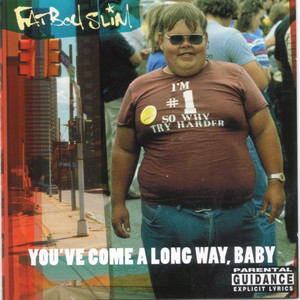
Fatboy Slim’s You've Come a Long Way, Baby is an album where cultural legacy appears to outweigh the actual listening experience, resulting in a project that has not aged well. While "Right Here, Right Now" offers an iconic opening, the momentum quickly fades as "The Rockafeller Skank" becomes repetitive and tracks like "In Heaven" prove difficult to endure. There are brief moments of technical interest found in the boom-bap elements of "Gangster Trippin" and the old-school hip-hop influences of "You’re Not from Brighton," yet even these highlights are weighed down by overlong runtimes and questionable mixing. Relying heavily on samples to provide a "vibe" rather than cohesive structure, the album ultimately feels skippable and dated.
Marvin Gaye’s Let’s Get It On is an undeniably iconic and meticulously structured masterpiece that leans heavily into his smooth, soulful vocal prowess and masterful instrumental layering. From the immediate allure of the title track to the deeply emotional resonance of "Distant Lover" and the lush, harmonious strings found in "If I Should Die Tonight," the album showcases an incredible depth of sound -- highlighted by exceptional instrument separation -- that keeps the listener captivated, even if the occasional track like "You Sure Love to Ball" feels less cohesive than its peers. While the record's experimental flourishes, such as the uniquely percussive, off-kilter groove of "Come Get to This," might challenge expectations, and the album's expansive runtime occasionally borders on over-dimensional, it remains a beautifully produced, essential body of work that earns a solid 4/5.
The Young Gods’ L’Eau Rouge is an exercise in avant-garde tension, opening with a minimal, hypnotic track that leans heavily on a strangely processed accordion before dissolving into an off-tune, unsettling atmosphere that feels like a slow-motion rise of something truly evil. This dread pivots instantly into a chirpy motif where layered, complex violins create a sophisticated wall of sound that eventually curdles back into a sense of impending doom, bolstered by percussion that sounds absolutely massive. The momentum shifts into the second track, which adopts the posture of a metal song with a catchy yet creepy guitar riff, though the drums are notably muted, creating a claustrophobic energy. The title track follows with a minimal introduction that descends into a chaotic marriage of symphony and metal, effectively capturing the sonic equivalent of someone losing their mind; while it’s not the strongest entry, it bridges the gap to the fourth song, which begins with a goofy cadence and features a deep, resonant vocal performance reminiscent of Rammstein’s Till Lindemann. The album then jolts through an abrupt transition into high-intensity metal, showcasing technically demanding drumming that gives way to a track defined by clever sound editing, using left-to-right panning to create a strange, bubbling sensation. Even when the quality dips slightly on the subsequent track, the record recovers with "Les Enfants," a piece that mimics a military drill where a rich, sweeping orchestra provides a haunting contrast to a minimal, snare-driven beat. This creepiness persists into the next song, which utilizes an off-beat rhythm and what sounds like vintage video game effects, culminating in a staggeringly long final scream before ending on a functional, okay closing note. Despite a few lulls, the album is a 5/5 masterpiece of atmospheric horror, defined by its deep vocals, virtuosic drumming, and a brilliant, sinister integration of orchestral elements.
Elvis Costello and the Attractions’ This Year’s Model is a pretty bad album that suffers from a lot of forgettable tracks and "goofy" production choices. While it starts with a nice garage-band hook on "No Action" and some solid basslines on "The Beat," the momentum quickly dies with tracks like "This Year’s Girl," "Hand in Hand," and "Chelsea," all of which just didn't work for me. The instrumentation is a mixed bag; "Pump It Up" has a decent dance vibe, but "You Belong to Me" sounds distractingly like the Ghostbusters theme and the flute on "The Beat" feels out of place. The absolute peak of the record is "Lipstick Vogue"—it’s high energy with a great melody and the drumming is totally on point—but it’s the only truly good song in the bunch. Between the "dumb lyrics" of "Lip Service" and a closing track like "Radio Radio" that misses the mark, the album fails to leave a lasting impression.
Willie Nelson’s *Stardust* is an exercise in restraint, trading country tropes for a minimalist approach that emphasizes atmospheric "vibes" and vocal clarity. The album’s strength lies in its simplicity; tracks like "Stardust" and "Georgia on My Mind" leverage sparse arrangements to let Nelson’s smooth, consistent delivery take center stage, often punctuated by tasteful jazz solos. While the record maintains a high standard of instrumental diversity and transition work—most notably on "Blue Skies" and the melodic "On the Sunny Side of the Street"—it is not without its lulls. Entries such as "All of Me" lean toward the generic, and "September Song" features a lyrical progression that feels somewhat jarring compared to the more seamless classics like "Unchained Melody." Even though the concluding tracks lack a certain punch, the sheer technical excellence of Nelson’s performance provides a level of cohesion that justifies its classic status. Ultimately, the album stands as a polished, 5/5 effort where the technical consistency of the vocals far outweighs the occasional underwhelming arrangement.
Muddy Waters’ Hard Again serves as a triumphant mid-career resurgence that captures the raw, unfiltered energy of electric blues at its peak, immediately defined by the legendary "Mannish Boy," where the iconic riff and boisterous background shouts create an infectious, high-voltage atmosphere. This aggressive energy carries throughout the record, notably on the driving, eight-minute "Bus Driver," which uses piercing electric guitars to maintain a pace so compelling the length is hardly felt, even as the album shifts into the distinct, refreshing tones of "I Can’t Be Satisfied" and the aptly titled "The Blues Had a Baby and They Named It Rock and Roll." While the technical production occasionally falters—with tracks like "I Want to Be Loved" and "Jealous Hearted Man" suffering from recessed vocals and muddy percussion—the sheer instrumental prowess on display more than compensates, offering everything from sharp mouth organ work and bright piano flourishes on "Cross-eyed Cat" to sophisticated solos on "Little Girl." Ultimately, despite these minor mixing gripes, the album remains a gold standard for the genre; it is a masterclass in musicality where the grit of the vocals and the brilliance of the band prove that authentic blues is defined by its soul and presence rather than technical perfection.
John Martyn’s Solid Air is a masterclass in atmospheric fusion, anchored by a title track where the interplay of "beautiful" upright bass and fluid piano creates an immersive, "ultimate" sonic experience that complements Martyn’s distinctive vocals perfectly. While the album occasionally wanders into polarizing territory—notably the "weird" and seemingly redundant inclusions of "I’d Rather Be the Devil," which feels like a jarring experiment—it consistently finds its stride in the lush, folksy textures of "Don’t Want to Know" and the deep, resonant grooves of "Go Down Easy." Martyn’s vocal delivery is a focal point of the record, ranging from the hypnotic, sleep-talking intimacy of "The Man in the Station" to the vibey, jazzy smoothness of "Dreams by the Sea," though the latter’s musical "vibe" is so strong it almost warrants an instrumental-only cut. Even when the record plays it safe with "decent" folk-rock like "Over the Hill" or the "okay" but standard "May You Never," the sophisticated arrangements and subtle percussion ensure a high floor. The album closes on a somewhat disjointed note with "The Easy Blues," which stands out as arguably the most unique and blues-heavy track on the disc, yet its placement feels slightly out of step with the ethereal folk-jazz established elsewhere. Despite these minor pacing hiccups and a few experimental misfires, the record remains a compelling, highly textured journey through 1970s British folk.
Radiohead’s In Rainbows is a polarizing listen that struggles to find a consistent rhythm, alternating between moments of genuine beauty and alienating experimentation. While the album offers a few high-energy highlights like the hypnotic finish of "Bodysnatchers" and the infectious, driving groove of "Jigsaw Falling Into Place," these peaks are often undercut by technical distractions and pacing issues. The production frequently feels surprisingly muddy, and for every standout bridge or lush string arrangement, there is a track that either feels like filler or drifts into sleepy, ambient territory. Ultimately, despite a handful of tracks that successfully capture a vibe, the record’s disjointed structure and odd sonic choices make it a difficult experience to fully embrace.
Live/Dead captures the Grateful Dead at their experimental peak, though whether that peak is a summit or a sheer cliff depends entirely on your patience for the "long jam." The album is a polarizing masterclass in psychedelic exploration, moving from the cosmic, jazz-inflected wanderings of "Dark Star" and "The Eleven" to the gritty, blues-driven soul of "Turn on Your Lovelight." While the drumming is undeniably sharp and the haunting atmosphere of "Death Don't Have No Mercy" rivals the gloom of early Pink Floyd, the album’s indulgent runtimes and the abrasive, avant-garde noise of "Feedback" make it a challenging sit for the uninitiated. It is a vivid time capsule of 1969 ballroom culture—perfect if you want to lose yourself in a sonic trip, but potentially tedious if you’re looking for a concise, memorable hook.
Mike Ladd’s Welcome to the Afterfuture is a slow-burn underground rap album that heavily echoes the abstract, dense style of artists like Aesop Rock, earning a decent 3/5. While the vocals are consistently slurred and recessed—making the overarching message difficult to parse—the production carries the project through a space-bound, futuristic journey. The tracklist balances hypnotic standouts like "5000 Miles West of the Future" and the gorgeous, poetry-driven spirituality of "Feb 4" against generic filler like "I feel like $100" and the uninspired "Red eye to Jupiter." Ladd excels when embracing a distinct sonic atmosphere; "Airwave Hysteria" thrives on a Madlib-esque Bollywood sample, while "To the Moons Contractor" and "Wipe Out on the Wave of Armageddon" deliver stellar, floating lo-fi hip-hop beats. Though cuts like "Planet 10," "Blade Runners," and the title track evoke an uncertain, cosmic vibe, the murky vocal mix ultimately holds the album back from being truly stellar, leaving it as a solid but flawed underground trip.
John Martyn’s One World is a fascinatingly uneven ride that ultimately takes a backseat to his masterpiece, Solid Air. The album excels in its brilliant production, serving up gorgeous, atmospheric moments like the hypnotic, jazz-fused spiritual psychedelia of "Smiling Stranger" and the beautifully ambient closer "Small Hours." However, it struggles to maintain a consistent thematic groove, often swinging between the brilliantly mixed but repetitive "Dealer," smooth folksy themes with curiously desperate vocals, and missteps like the jarringly weird "Big Muff." While there is plenty of sonic variety to appreciate—from acoustic tracks to danceable rhythms—the lack of cohesion leaves it feeling more like a disjointed experiment than a unified statement, earning it a solid 3/5.
Reviewing ZZ Top’s Tres Hombres is like taking a dusty, beer-soaked road trip where the highs are soaring but a few bumps slow you down. The album thrives on its foundational grit, delivering instantly catchy, blues-infused guitar hooks on tracks like "Waiting for the Bus" and the energetic "Beer Drinkers and Hell Raisers," while boasting some stellar, pristine production work on "Master of Sparks" and the velvety smoothness of "Hot, Blue and Righteous." However, it’s a bit of a sonic mixed bag; some tracks suffer from questionable mixing choices—like the oddly recessed drums on "Move Me on Down the Line"—and others fall flat due to bizarre lyricism and uninspired melodies, particularly on "Sheik." Ultimately, Billy Gibbons' consistently spectacular, fiery closing guitar solos carry the weaker moments, and that uncanny, deeply familiar blues-rock groove makes the record a highly enjoyable, classic 4/5 experience that feels like an old friend you've known forever, even if you're hearing it for the first time.
In her 2000 album Tanto Tempo, Brazilian-American artist Bebel Gilberto delivers a solid, lounge-friendly record that leans heavily on atmosphere, even if it occasionally struggles to maintain its momentum. Listening strictly by "vibes" due to the language barrier, the album shines brightest when it embraces its organic roots and slow-burn grooves—the jazzy, dreamlike tension of the opener and the gorgeous, soulful warmth of the fifth track ("Mais Feliz") are easily the record's high points. While the highly anticipated title track strangely lacks the punch expected of a centerpiece, the second half recovers nicely by seamlessly weaving together cozy coffee-shop lo-fi, boutique wine-shop sambas, and a late-album emotional dive into isolation. Ending on an energetic, danceable high note with infectious salsa rhythms, it ultimately balances out to a respectable 3/5 listening experience—an incredibly decent, sun-drenched record that proves good production and strong instrumentation can easily transcend a language barrier.
Penance Soiree by The Icarus Line plays less like a cohesive post-hardcore album and more like a slow-motion, brick-walled train wreck that leaves you begging for the silence of the credits. From the sandpaper-rough, overly compressed production of "Up against the wall" to the outright unlistenable noise of "Spit on it" and "Kiss like lizards," the album suffers from a severe mixing crisis where the vocals feel completely devoid of emotion and buried under a heap of garbage. While fleeting moments of competence emerge—like the decent guitar hook on "On the lash," a slight recovery on "Spike Island," and a hypnotic, creepy vibe on "Meat maker"—they are quickly swallowed by bloated progressive rock experiments like "Getting bright at night" and baffling filler like "Virgin velcro." Ultimately, the record’s inclusion on the 1001 Albums You Must Hear Before You Die list feels like an elaborate, out-of-touch joke; it's a painful exercise in sonic irritation where the absolute best part of the album isn't its actual conclusion, but simply the fact that it finally ended.
Reviewing Pearl Jam's Ten, the album earns a solid 4/5, boasting incredible highlights despite a few duds near the end. Tracks like "Once" explode after a slow start with a heavy, Metallica-esque vibe, while the ok-sounding "Even Flow" and the brilliant "Alive"—with its stellar guitar solo and drumming—set a strong foundation. "Why Go" and the beautiful guitars on "Porch" are definitely nice, but the true crown jewels are the iconic, catchy hook of "Jeremy" and the very good "Black," which features a gold-tier ending of layered vocals and guitar repetition. While parts of "Garden" are decent, the album stumbles with the modified vocals and lackluster tune of "Oceans," and finishes on a low note with "Deep" and "Release," which both miss the mark. Ultimately, bolstered by really good sound engineering and recording quality, Ten stands as a great record that is just a few weak tracks shy of a perfect score.
Mercury Rev’s Deserter’s Songs is an album of stark contrasts, blending exceptional, uncompressed audio production with a tracklist that frequently fluctuates in quality. The record kicks off strong with the atmospheric indie vibes of Holes and hits a true high point with the standout guitar solo on The Funny Bird, which easily could have served as a superior closer. The album also finds success with the genuinely pleasant melodies of Goddess on a Hiway. Unfortunately, much of the remaining runtime leans heavily into the mundane, bogged down by forgettable tracks like I Collect Coins and Pick Up If You're There, before wrapping up on a bizarre note with The Happy End. While the rich, well-separated instrumentals and flawless mastering ensure that nothing ever sounds offensive to the ear, the lack of consistent songwriting makes the journey largely hit-or-miss. Ultimately, despite housing a few genuine gems, the record struggles to leave a lasting impression as a cohesive whole, earning a modest 2/5.
Harry Nilsson’s breakout masterpiece *Nilsson Schmilsson* is a masterfully produced, mixed, and mastered 5/5 gem that boasts zero filler across its wonderfully diverse sonic landscape. The album kicks off with an energetic and pleasant start on Gotta Get Up, which effortlessly transitions into the lyrical charm of Driving Along. Nilsson then pivots hard into the blues with Early in the morning, a track that serves as an early showcase for his flat-out amazing vocal range and delivery. While softer moments like the gentle atmosphere of The Moonbeam Song and the decent, tender closer I'll Never Leave You keep the album grounded, the record truly shines when it experiments with genre boundaries. Down seamlessly blends blues and jazz into something incredibly smooth, while the sweeping emotional peak of Without You delivers massive Beatles and Queen vibes through its beautiful instrumentation, great lyrics, and phenomenal vocal performance. Nilsson isn't afraid to get weird either; the goofy, tropical novelty of Coconut turns out to be an infectiously catchy and groovy earworm, while Let the Good Times Roll delivers exactly the kind of straightforward, feel-good rock energy its title promises. The ultimate highlight, however, is the explosive energy of Jump into the Fire, a brilliant multi-genre fusion driven by a slapping bassline, hypnotic guitar work, and absolutely on-point drumming. Ultimately, with its sharp lyricism, musical variety, and staggering vocal execution, there is absolutely nothing to dislike about this flawless record.
While the concept behind the Incredible Bongo Band’s Bongo Rock is highly intriguing, the lackluster recording quality ultimately makes it difficult to truly enjoy, earning it a 2/5. The tracklist is a mixed bag, starting strong with the nice groove of "Apache" and the intriguing, concert-ready dialogue between percussion instruments on "Duelling Bongos." Furthermore, the familiar sounds of "In a Gadda da Vida" prompt curiosity about its famous interpolations. However, the rest of the album fails to hold up; tracks like "Let There Be Drums" and "Bongolia" feel thoroughly meh, "Last Bongo in Belgium" is merely okay, and "Raunchy 73" fails to land altogether. By the time you reach the title track, "Bongo Rock," the chords have become entirely too repetitive, sealing the album's fate as a great idea marred by poor execution.
While Garbage’s self-titled debut serves up an intriguing, punkish attitude driven by earworm guitar tension and standout panning effects on tracks like "Vow" and "As Heaven is Wide," the album ultimately buckles under the weight of its own production. Heavy-handed compression frequently muddies the sonic landscape, leaving Shirley Manson's vocals feeling recessed and emotionally detached when they should be cutting through the noise. Aside from a few catchy hooks, memorable bridges, and decent closer moments like "Milk," a vast portion of the tracklist stumbles into mediocre, goofy, or structurally uninspired territory—further plagued by questionable mixing choices like the jarring snare work on "Fix Me Now." It is an album brimming with raw potential that is ultimately stifled by poor engineering, making a disappointing amount of the record live up to the band’s literal name.
Daft Punk’s *Homework* is a fascinatingly raw, hit-and-miss journey through the foundation of modern house music that ultimately triumphs on the strength of its standout grooves. While the album occasionally gets bogged down by repetitive filler like "Phoenix" and "Burnin," or mid-tier experiments that rely too heavily on basic sampling, its highs are absolute masterclasses in electronic production. The record truly shines when it embraces its rhythm-heavy identity—whether through the undeniably groovy baseline of "Indo Silver Club," the gritty psych-EDM energy of "Rock'n Roll," or the massive, dynamic atmosphere of "Alive." Anchored by the timeless, slapping bassline of "Around the World" and the quintessential funk of "Da Funk," *Homework* serves as a gritty, club-ready blueprint that proves why the duo became legends, even if you have to skip a few tracks to find the real magic.
Including Orbital's Snivilisation in the list feels like a major misstep, as its historical relevance to the 90s UK rave scene doesn't justify a grueling, 75-minute listen that largely misses the mark. While "Sad but true" injects a unique, genuine underground rave energy and "Forever" starts and ends on strong notes, the rest of the tracklist quickly derails into a frustrating mix of mediocrity and outright irritation. From the baffling confusion of "Philosophy by numbers" to the amateurish feel of "Kein trink wasser" and the abrasive noise of "Quality seconds," the album suffers from a massive deficit in consistency and modern appeal. Ultimately, a couple of decent moments cannot rescue a project weighed down by so many skipped tracks, proving that just because an album is deemed "culturally significant" by a checklist doesn't mean it deserves a spot on your personal rotation.
Listening to Run-D.M.C.’s *Raising Hell* today really highlights just how much rap has evolved, resulting in a mixed bag where the old-school flow feels incredibly dated with forced rhymes. The album definitely shows its age through skippable filler like "Son of Byford," a terrible beat on "Perfection," and the casual misogyny of "Dumb Girl"—even if that track serves as a familiar, cool showcase of early sampler tech. However, the high points are undeniable: "Walk This Way" is an absolute classic, "Proud to be Black" brings great messaging, and the loud-as-hell kick and snare on "It's Tricky" still slaps alongside the chill vibe of "You Be Illin'." While "My Adidas" feels like an early, blatant attempt at commercializing hip-hop, the album's precision and foundational grooves are so distinct that you can still hear its DNA in modern music, like Missy Elliott sampling the classic "Peter Piper." It’s an essential piece of music history, but because the lyricism feels so elementary by today's standards, it lands at a solid **3/5**.
Tracy Chapman’s self-titled debut album is an absolute masterclass in folk-rock storytelling, proving itself to be a timeless, "no misses" masterpiece from start to finish. Anchored by Chapman’s uniquely beautiful, resonant voice, the record seamlessly balances deeply somber social commentaries with incredibly groovy, smooth musicianship. Iconic classics like the romantic, bittersweet "Fast Car" and the urgent "Talkin' 'bout a Revolution" set a high bar, but the album's brilliance lies just as much in its deeper cuts. Whether she is tackling systemic failures acapella on the chillingly relevant "Behind the Wall," blending marimba and bongos into the exceptional sonic landscape of "Mountains of Things," or letting her vocals soar over the complementary arrangements of "Baby Can I Hold You," Chapman delivers an emotionally gripping experience that concludes with a beautifully decent farewell on "For You."
Badly Drawn Boy’s The Hour of the Bewilderbeast is a masterfully produced and beautifully executed journey that easily earns a 5/5, striking a perfect balance between intricate instrumentation and gorgeous melodies. The album opens strong with the stunning strings and breezy atmosphere of "The Shining," setting a high standard that is matched by the top-tier, 100-point melody of "Once Around the Block," the catchy hook of "Everybody's Stalking," and the smooth, comforting vibe of "Magic in the Air." While a few tracks like "This Song" falter due to distracting panning effects, and others like "Cause a Rock Slide" miss the mark entirely, the record excels at creating vivid sonic atmospheres; "Fall in a River" captures its title perfectly to deliver a true acoustic experience, while "Camping Next to Water" shines with fantastic percussion. Damon Gough's brilliant musicianship keeps the momentum going through standout grooves like the tense, beautiful finale of "Dissolution," ultimately wrapping up with the fittingly solid "Epitaph." It is a wonderfully played and deeply cohesive piece of art where the stellar highs effortlessly coast over the brief, minor lulls.
Elvis Presley’s From Elvis in Memphis captures a remarkably cohesive, blue-eyed soul and smooth blues aesthetic, marked by standout tracks like the catchy opener "Wearin' That Loved On Look" with its fantastic, choir-backed blues bridge, the poignant storytelling of "Long Black Limousine," and the gritty allure of "Power of My Love." While the album delivers strong individual messages on tracks like the Darwinian "Only the Strong Survive," exceptional vocal control on "Mama Liked the Roses" (frequently paired with these sessions), and undeniable classics like "Suspicious Minds," it ultimately suffers from a structural flaw where the songs sound overly one-dimensional. Because so much of the tracklist—from "Hold You in My Heart" to "Any Day now"—clings to a similar sonic formula, the record begins to blend together, making the overall listening experience feel significantly longer than it actually needs to be.
Public Enemy’s Fear of a Black Planet is a powerhouse of political consciousness and sonic experimentation, kicking off with the smooth, prequel-like "Contract of the World Jam" before diving into hard-hitting, socially charged tracks that define the album's core. Throughout the record, the group masterfully balances intense, message-driven anthems—such as the paranoid urgency of "Brothers Gonna Work It Out," the scathing institutional critique of "911 Is a Joke," the provocative "Anti-Nigger Machine," and the industry commentary in "Burn Hollywood Burn"—with more adventurous production, seen in the fascinating, twanging sample on "Welcome to the Terrordome" that bears a slight resemblance to the unique, percussive sound of a morsing, and the high-tempo fusion of the "Power to the People" spoken-word track. While tracks like "Pollywanacracka" offer a surprisingly catchy, humorous flair, and the instrumental "Leave This Off Your Fuckin Charts" provides a masterclass in production that likely influenced later legends like Madvillainy, the album manages to remain cohesive despite some uneven moments in the middle; ultimately, it delivers a powerful, thematic statement that reaches a fittingly high-stakes conclusion with the iconic, essential closer, "Fight the Power."
Junkyard by The Birthday Party is a harrowing, claustrophobic descent into sonic chaos that is as intentionally abrasive as it is challenging to parse. While tracks like "Big Jesus Trash Can" and the title song lean heavily into a muddy, suffocating production aesthetic that can feel genuinely impenetrable upon first listen, the album serves as a masterclass in gothic post-punk distortion and nihilistic energy. It is far from an easy or polished record—often feeling like a sonic assault rather than a collection of songs—but for those who can stomach the jagged, discordant performances and the deliberately lo-fi, swampy atmosphere, it captures a raw, visceral intensity that few bands have ever successfully replicated.
*Harvest* remains a quintessential slice of 1970s folk-rock, balancing moments of absolute brilliance with a few tracks that feel like period-piece oddities. While songs like "Heart of Gold" and the hauntingly earnest "The Needle and the Damage Done" highlight Neil Young’s mastery of melody and poignant storytelling, the album is undeniably hit-or-miss; tracks like "A Man Needs a Maid" feature stunning arrangements that are occasionally undermined by lyrics that haven't aged gracefully, while other cuts feel like filler compared to the record's high-water marks. Ultimately, the album succeeds due to its warm, organic production and the unique closing track "Words," which showcases a compelling, psychedelic-tinged complexity that elevates the final listening experience beyond a standard folk offering.
*Dusty in Memphis* stands as a soulful masterpiece that perfectly balances Dusty Springfield’s sophisticated vocal delivery with the gritty, rhythmic backbone of Southern soul. The album is anchored by undeniable highlights like the infectious "Just a Little Lovin'" and the radiantly joyful "So Much Love," while tracks like the tense, evocative "I Don't Want to Hear It Anymore" showcase her incredible ability to inhabit a song's emotional landscape. While some tracks, such as "In the Land of Make Believe," lean into an experimental vision that may not land for every listener, the record maintains a compelling consistency, particularly when Dusty leans into the danceable grooves of "Don't Forget About Me" or the dramatic, crescendo-building finish of "The Windmills of Your Mind." It is a quintessential listening experience that captures a unique intersection of pop, soul, and R&B, earning a well-deserved 4/5 rating for its lasting influence and timeless vocal performances.
T. Rex’s 1972 album The Slider lands as a consistently underwhelming effort that struggles to escape a sense of sonic monotony, ultimately resulting in a 2/5 rating. While the project features occasional bright spots—such as the infectious hook on "Buick McCaine," the genre-bending ambition of "Telegram Sam," the unique melodic appeal of "Baby Strange," and the enjoyable energy of "Chariot Choogle"—these moments are frequently overshadowed by a pervasive repetition that makes the tracklist feel indistinguishable. The listener is often left underwhelmed by standard rock arrangements that blur together, exacerbated by production choices that fail to provide necessary clarity or separation between the diverse instrumentation. Despite flashes of impressive guitar work on tracks like "Rabbit Fighter," the album lacks the distinct character needed to elevate it, leaving the majority of the record feeling like a collection of pleasant but ultimately forgettable songs rather than a cohesive or essential listening experience.
Johnny Cash’s *At San Quentin* is a compelling live album that thrives on the Man in Black’s raw, charismatic connection with his audience. Cash masterfully balances high-energy, relatable storytelling in tracks like "Wreck of the Old 97" and "Starkville City Jail" with iconic staples such as "I Walk the Line" and a powerful rendition of "Folsom Prison Blues." While some tracks like "A Boy Named Sue" and "Peace in the Valley" feel more like standard inclusions, the record succeeds because it captures Cash as an incredibly approachable figure; his genuine interaction with the prisoners adds a layer of authenticity that elevates the performance beyond just a concert. Ultimately, the album stands as a gritty, honest testament to his ability to humanize the incarcerated, making for a listening experience that feels both musically solid and deeply personal.
Spacemen 3's Playing with Fire is an evocative, atmosphere-driven record that leans heavily into hypnotic minimalism and hazy, drone-fueled textures. While tracks like "Come Down Softly on My Soul" and "I Believe It" effectively utilize delicate instrumentation and organ swells to create an immersive, almost religious sonic space, other moments like the chaotic "Revolution" struggle with a muddy production that threatens to derail the album's meditative flow. Ultimately, the record succeeds best when it embraces its own quiet intensity, offering a dreamy, albeit inconsistent, journey that balances standout, mood-setting gems against occasional filler that feels somewhat lethargic.
The Kinks' *Arthur (Or the Decline and Fall of the British Empire)* is a quintessential "everyman" concept album that captures a distinct, nostalgic charm, particularly in its stronger first half. Tracks like "Brainwashed" and "Australia" stand out for their infectious energy and masterful instrumental interplay, offering a compelling blend of tight vocal harmonies and creative, free-flowing musicianship. While the record leans into a classic, Beatles-esque aesthetic that feels both familiar and engaging, the experience is somewhat uneven; the production quality occasionally falters—most notably on "Shangri-La"—and the latter portion of the tracklist struggles to maintain the momentum established by the album's sharper, more melodic opener.
De-Loused in the Comatorium is a masterclass in progressive rock, seamlessly blending explosive hooks with brilliant genre-fluidity that flirts with everything from jazz-infused codas to driving samba rhythms and bongo-led dance vibes. Musically, the album is an absolute masterpiece—the recording and mixing are pristine, allowing intricate drum patterns, powerful hooks, and every single instrument to perfectly complement the soaring vocals. While tracks like "Sons et Lumiere" paired with "Inertiatic ESP" deliver non-stop energy and "Cicatrix ESP" shines with its gorgeous jazz outro, a few experimental atmospheric shifts slightly miss the mark, and the lyrics lean heavily into complete nonsense. Ultimately, the abstract lyricism holds it back just enough to keep it from absolute perfection, making it a spectacular 4/5 that stands as an acoustic triumph.
Blur’s self-titled 1997 album is a polarizing, inconsistent experience that highlights both the band's creative peaks and their experimental growing pains. While the record opens with the undeniable power of "Beetlebum" and the quintessential, high-energy adrenaline of "Song 2," the momentum frequently stalls throughout the tracklist. Tracks like "Death of a Party" and "Theme from Retro" offer genuinely captivating, eerie textures and unique instrumental flourishes, yet these highlights are often buried under a collection of filler material that ranges from lackluster ballads to garage-style tracks like "Chinese Bombs" that feel jarringly unpolished. Ultimately, the album suffers from a disjointed production quality; it oscillates between refined, atmospheric brilliance and abrasive walls of sound, resulting in a project that feels more like a scattered collection of ideas than a cohesive artistic statement.
Despite its legendary status, Sticky Fingers ultimately falls flat, weighed down by dated 2009 production and vocals that fail to resonate. While moments of inspiration break through—particularly when the band leans into gritty blues-rock on "You Gotta Move," the high-energy punch of "Bitch," or the jazz and sax accents found on "Brown Sugar" and "Can't You Hear Me Knocking"—the rest of the album struggles to leave an impression. Heavy hitters like "Dead Flowers" and the hyped opener "Brown Sugar" feel more like generic sports-bar background noise than masterpiece material, and the attempted grand finale of "Moonlight Mile" completely misses the mark. It's a classic case of rock-history hype not matching the actual listening experience, earning a lackluster 2/5.
I See a Darkness stands as a hauntingly intimate masterwork, anchored by Bonnie 'Prince' Billy’s signature laid-back vocal delivery and a thematic commitment to introspection and gloom. While tracks like "Death to Everyone" and the jarring "Today I Was an Evil One" may falter in their execution, the album largely succeeds through its minimalistic approach, allowing evocative, poetic lyrics to take center stage. From the folky warmth of "Nomadic Revery" to the atmospheric depth of "Song for the New Breed," the record crafts a cohesive, emotionally resonant journey that feels both fragile and expansive, culminating in the poignant beauty of "Raining in Darling." It is a compelling, if occasionally uneven, exploration of dread and existence that earns a solid 3.5/5.
Gary Numan’s expanded edition of The Pleasure Principle completely misses the mark, landing as a weak, deeply confusing, and borderline childlike effort that is impossible to recommend. While the iconic synth-pop staple "Cars" and the slightly better end of "Conversation" manage to be passable, the rest of the standard tracklist is a frustrating slog through jarring sci-fi oddities like "Airplane" and "Metal," leaving the listener entirely lost on "Complex" and "Films." The album's saving grace is ironically tucked away in the bonus material: the outtake "Random" provides a genuinely refreshing, different, and highly enjoyable vibe. Unfortunately, it isn't enough to rescue the surrounding project, which plummets right back into boring lulls on "ME" and "Engineers," before wrapping up with the genuinely creepy atmosphere of "Asylum." Save for that one standout rarity, this is an alienating and highly flawed experience you wouldn't wish on your worst enemy.
Big Brother and the Holding Company’s Cheap Thrills is a remarkably solid album where raw musical quality and powerhouse lead vocals easily compensate for the famously unpolished, muddy recording quality. Janis Joplin's performance truly carries the record to another level, bookended by stunning vocal moments like the beautiful, show-stopping "Summertime" and the shocking, rock-and-roll intensity that kicks off "Catch Me Daddy." The tracklist flows through high-energy, danceable grooves like the fun jam "Combination of the Two" and the infectious "Road Block," balanced by catchy tracks like "Oh, Sweet Mary" and nice, steady numbers like "I Need a Man to Love" and "Flower in the Sun." While staples like "Piece of My Heart" and the bluesy "Turtle Blues" land as decent, okay tracks, even the massive, sprawling "Ball and Chain" never feels its length because its best parts are so captivating—making it easy to overlook the rare misstep like "Magic of Love" on an otherwise unforgettable ride.
Slint’s Spiderland is a remarkably solid album that masterfully rides a rollercoaster of tension and atmosphere, even if a few details hold it back from absolute perfection. The journey kicks off with "Breadcrumb Trail," which frames a gritty, turbulent center with wonderfully melodious bookends, before diving into the creepy, Metallica-esque vibes of "Nosferatu Man"—a track that ultimately feels a bit mid. While "Don, Aman" offers a nice, quiet reprieve, the album reaches its undisputed, breathtaking peak with the gorgeous and haunting "Washer." This brilliant momentum stumbles slightly on "For Dinner...," which spends most of its runtime building up an anticipation that never quite lands a satisfying payoff, but the record recovers beautifully with "Good Morning, Captain" serving as a great, powerful closer. Ultimately, while the recessed vocal style and that single mediocre track keep it from a flawless score, Spiderland easily earns a strong 4/5 for its incredible, atmospheric highs.
Minor Threat’s seminal 1983 hardcore punk release Out of Step is bound to feel like a repetitive, exhausting miss if you aren't sold on its specific style. While tracks like "It Follows" bring some fleeting high energy and the hidden closer "Cashing In" finally delivers some enjoyable punk vibes, the rest of the tracklist—from "Think Again" to "Little Friend"—largely blurs together into a "meh" wall of sound. Because the entire EP is pinned at a relentless, high-intensity redline, the songs suffer from a serious lack of sonic variety and sound nearly identical from start to finish. Ultimately, the biggest roadblock here is the vocal style; Ian MacKaye's raw, barking delivery paired with the stripped-down, lightning-fast arrangements just doesn't offer enough musical diversity to save the record from feeling entirely monotonous.
Brian Eno’s *Ambient 1: Music for Airports* is a polarizing exercise in minimalism that succeeds primarily as a functional sleep aid rather than an engaging listening experience. While the tracks vary in quality—ranging from the serene brilliance of "1/2" to the lackluster, repetitive drone of "2/2"—the album’s overarching issue is its excessive length and lack of dynamic tension. It effectively achieves its goal of creating a background atmosphere, but for anyone seeking a record that demands attention or repeated casual listening, this remains an underwhelming collection that will likely gather dust rather than playtime.
Disraeli Gears by Cream serves as a quintessential snapshot of 1967’s psychedelic blues-rock explosion, anchored by Eric Clapton’s searing guitar work and the band’s undeniable chemistry. The album is a study in contrasts, ranging from the beautifully melancholic "World of Pain" and the surprisingly nuanced "We’re Going Wrong" to the absolute standout, "Dance the Night Away," which captures an infectious, melodic energy that feels timeless. While tracks like "Blue Condition" and "Mother's Lament" may feel like skippable experiments that lack the cohesion of the rest of the record, the album successfully balances gritty, blues-infused jams like "Outside Woman Blues" with the iconic riffs of "Sunshine of Your Love" and "Tales of Brave Ulysses." Ultimately, it is a highly solid, creative effort that highlights a legendary trio at the peak of their collaborative powers, even if a few tracks don't quite land with the same impact as the hits.
*The Hissing of Summer Lawns* is an undeniably sophisticated and poetic endeavor, showcasing Joni Mitchell at her most experimental as she pivots toward a cool, jazz-inflected soundscape. While the production is impeccably smooth and tracks like "The Jungle Line" and "Shades of Scarlett Conquering" offer fascinating, standout moments—ranging from retro, rhythmic grit to sweeping beauty—much of the album feels detached and overly precious. It is an artistic achievement that rewards patience, but for all its technical brilliance and "bougie" charm, the record often lacks the emotional resonance needed to make the middle of the tracklist truly memorable, resulting in a technically impressive yet inconsistent experience.
James Brown's Live at the Apollo is a fascinating, gritty paradox of brilliant showmanship and rough production. From the moment Fats Gonder delivers his hype introduction, the album establishes a vibrant dance vibe. While tracks like "I'll Go Crazy," "Think," and "Lost Someone" absolutely shine through stellar vocals, infectious energy, and fantastic crowd work, the listening experience is heavily weighed down by terrible recording quality, repetitive instrumental bridges, and distracting technical glitches—especially on "I Don't Mind," which suffers from a poor ending vocal performance and awkward audio issues. Ultimately, it delivers an authentic, sweat-soaked live atmosphere, but its glaring flaws keep it from being a smooth listen.