There’s no denying that Kendrick Lamar is an ambitious artist, but To Pimp a Butterfly is a prime example of an album drowning in its own self-importance. It wants to be profound at every turn, stuffing itself with jazz-fusion instrumentals, spoken word interludes, and long-winded monologues that seem more interested in proving their depth than actually connecting with the listener. While it aims to be a powerful commentary on race, struggle, and the weight of fame, it ultimately feels like an exhausting lecture that goes nowhere. The album is so caught up in presenting itself as high art that it forgets to be engaging, making for a bloated and self-indulgent listening experience. Beyond the message, the biggest issue is the hypocrisy baked into the industry that produces this kind of music. To Pimp a Butterfly critiques the system, but it’s still a product of that same system, repackaging pain, struggle, and rebellion into something that record labels and streaming services can profit from. The cycle of “f**k the police” has been going on since the late ‘80s, and instead of finding a new way to break through, this album just repaints the same old message in abstract, overwrought colours. Worse still, it’s weighed down by the contradiction of hip-hop’s commercial machine—artists who claim to be against the system while thriving within it, benefiting from the very thing they condemn. Even if the message was delivered better, the music itself just isn’t that good. The production leans too heavily into chaotic, messy jazz and awkward funk grooves that feel more like an art school experiment than an album meant to be listened to. The beats lack cohesion, the hooks are weak, and even Kendrick’s rapping, is often buried under clunky arrangements or forced theatricality. Instead of being a timeless classic, To Pimp a Butterfly is an overcooked, self-indulgent, and ultimately forgettable album that collapses under the weight of its own ambition.
Rating Distribution
Rating Timeline
Taste Profile
Breakdown
By Genre
Top Styles
By Decade
By Origin
Albums
You Love More Than Most
| Album | You | Global | Diff |
|---|---|---|---|
|
Mask
Bauhaus
|
5 | 2.85 | +2.15 |
|
Lazer Guided Melodies
Spiritualized
|
5 | 2.92 | +2.08 |
|
New Gold Dream (81/82/83/84)
Simple Minds
|
5 | 2.97 | +2.03 |
|
Paris 1919
John Cale
|
5 | 2.97 | +2.03 |
|
Killing Joke
Killing Joke
|
5 | 2.99 | +2.01 |
|
Larks' Tongues In Aspic
King Crimson
|
5 | 2.99 | +2.01 |
|
Hot Shots II
The Beta Band
|
5 | 3.01 | +1.99 |
|
Fuzzy
Grant Lee Buffalo
|
5 | 3.01 | +1.99 |
|
Oxygène
Jean-Michel Jarre
|
5 | 3.07 | +1.93 |
|
The Pleasure Principle
Gary Numan
|
5 | 3.16 | +1.84 |
You Love Less Than Most
| Album | You | Global | Diff |
|---|---|---|---|
|
Moving Pictures
Rush
|
1 | 3.56 | -2.56 |
|
Aja
Steely Dan
|
1 | 3.47 | -2.47 |
|
Disraeli Gears
Cream
|
1 | 3.46 | -2.46 |
|
Speakerboxxx/The Love Below
OutKast
|
1 | 3.45 | -2.45 |
|
My Beautiful Dark Twisted Fantasy
Kanye West
|
1 | 3.4 | -2.4 |
|
Pretzel Logic
Steely Dan
|
1 | 3.38 | -2.38 |
|
2112
Rush
|
1 | 3.36 | -2.36 |
|
A Christmas Gift For You From Phil Spector
Various Artists
|
1 | 3.29 | -2.29 |
|
S&M
Metallica
|
1 | 3.26 | -2.26 |
|
Goodbye Yellow Brick Road
Elton John
|
2 | 3.92 | -1.92 |
Artists
Favorites
| Artist | Albums | Average |
|---|---|---|
| R.E.M. | 4 | 5 |
| Beatles | 6 | 4.67 |
| Radiohead | 5 | 4.6 |
| The Cure | 3 | 5 |
| Neil Young | 3 | 5 |
| Pink Floyd | 3 | 4.67 |
| Joni Mitchell | 3 | 4.67 |
| The Velvet Underground | 3 | 4.67 |
| The Rolling Stones | 3 | 4.67 |
| Black Sabbath | 3 | 4.67 |
| Nick Drake | 2 | 5 |
| Joy Division | 2 | 5 |
| King Crimson | 2 | 5 |
| Neil Young & Crazy Horse | 2 | 5 |
| New Order | 2 | 5 |
| Oasis | 2 | 5 |
| Bob Dylan | 4 | 4.25 |
| Bruce Springsteen | 3 | 4.33 |
| David Bowie | 3 | 4.33 |
Least Favorites
| Artist | Albums | Average |
|---|---|---|
| Steely Dan | 2 | 1 |
| Rush | 2 | 1 |
| Kanye West | 2 | 1 |
Controversial
| Artist | Ratings |
|---|---|
| Metallica | 1, 4 |
5-Star Albums (72)
View Album Wall
























Popular Reviews
A Christmas Gift for You from Phil Spector is less a festive album and more an endurance test wrapped in sleigh bells. It takes songs that are already aggressively familiar and smothers them under the Wall of Sound until they become claustrophobic, exhausting, and borderline unlistenable. Every track is cranked to the same emotional and sonic maximum, leaving no space, no dynamics, and no relief. Instead of warmth or celebration, it delivers a relentless blare that feels more like being shouted at than welcomed in. The biggest problem is the production, which is so overbearing it flattens everything into the same deafening mush. Strings, horns, backing vocals, percussion, all piled on top of each other with no sense of balance or restraint. Individual performances barely matter because they are swallowed whole by the arrangement, turning what should be joyful songs into a dense, airless roar. The cheer feels forced, manic, and strangely joyless, as if volume alone could manufacture Christmas spirit through brute force. What makes this album truly unbearable is how smug and self-satisfied it feels about its own excess. There is no contrast, no pacing, no moment of calm to reset the ears or the mood. By the halfway point, irritation sets in, and by the end, fatigue overwhelms any lingering goodwill. This is Christmas music stripped of intimacy and humanity, replaced with bombast and repetition. One out of five feels generous, if only to acknowledge that silence, once again, would have been a far better gift.
Abraxas is one of those albums where I can appreciate the musicianship without ever really feeling all that moved by it. Santana’s guitar tone is iconic, and the blend of Latin rhythms with rock is undeniably unique, but for me, it all starts to blur together after a while. The percussion work is tight, and there's a real sense of groove across the whole album, but the emotional pull just isn’t there for me. I do enjoy "Black Magic Woman/Gypsy Queen" and "Oye Como Va" — they’re great showcases of what Santana does best, with a strong sense of rhythm and a guitar voice that’s instantly recognisable. But once you get past those tracks, it feels like the album slips into a kind of background vibe that doesn’t demand much attention. It’s pleasant enough, technically impressive in parts, but I can’t say it’s something I’m eager to revisit often. Just a solid, but not particularly essential, listen.
This is one of those albums where you either get it or you don’t. Kollaps isn’t just music—it’s a full-on assault on sound itself, built from clanging metal, literal power tools, and raw, guttural vocals that feel like they’re trying to dismantle traditional songwriting entirely. It’s harsh, abrasive, and absolutely chaotic, but once you start thinking about what they were doing and the context they were working in, it makes a lot more sense. Coming from post-war Berlin, Einstürzende Neubauten were reacting to their surroundings—both physically and culturally—using industrial wreckage as instruments to reflect a world that felt just as unstable. Translated, the lyrics are full of bleak, existential dread, but even without understanding a word, the sheer sound of it tells you everything you need to know. That being said, it’s not exactly an album you’ll be spinning on a daily basis. The noise and destruction are the point, but it does require patience and an open mind to fully appreciate. Tracks like Tanz Debil and Steh auf Berlin feel like precursors to noise rock, industrial, and even modern experimental hip-hop—this is the OG drill music, quite literally. It’s not the worst album on this list by any stretch, but it does demand effort from the listener. If you’re willing to engage with it, there’s something undeniably fascinating about Kollaps, even if it’s more of an experience than an everyday listen.
Disraeli Gears is an album that mistakes volume, distortion, and repetition for imagination. It presents itself as psychedelic and daring, but underneath the fuzz it is remarkably static, built on basic blues patterns stretched far past their breaking point. Songs drift by in a haze of wah pedals and echo, never developing, never surprising, just looping the same ideas until they wear thin. It feels less like a creative statement and more like a jam session that forgot to end. The playing is technically proficient but emotionally vacant. Eric Clapton’s guitar dominates everything, endlessly soloing without direction or intent, circling the same familiar phrases as if daring the listener to confuse skill with substance. Jack Bruce’s vocals strain toward mysticism, but the lyrics are so vague they barely register, while Ginger Baker’s drumming is busy rather than purposeful, filling gaps instead of driving momentum. Nothing here locks together, and nothing feels like it actually matters beyond showing off. What makes Disraeli Gears particularly irritating is how revered it is despite offering so little. This is not an album full of hidden depths or subtle moods that reward patience. It is loud, indulgent, and ultimately hollow, convinced of its own importance while delivering very little emotional or musical payoff. By the time it ends, there is no lingering image or feeling, just the sense that you have listened to a lot of noise in service of very few ideas. One out of five feels fair, if only to acknowledge that at least it eventually stops.
1-Star Albums (16)







All Ratings
Disraeli Gears is an album that mistakes volume, distortion, and repetition for imagination. It presents itself as psychedelic and daring, but underneath the fuzz it is remarkably static, built on basic blues patterns stretched far past their breaking point. Songs drift by in a haze of wah pedals and echo, never developing, never surprising, just looping the same ideas until they wear thin. It feels less like a creative statement and more like a jam session that forgot to end. The playing is technically proficient but emotionally vacant. Eric Clapton’s guitar dominates everything, endlessly soloing without direction or intent, circling the same familiar phrases as if daring the listener to confuse skill with substance. Jack Bruce’s vocals strain toward mysticism, but the lyrics are so vague they barely register, while Ginger Baker’s drumming is busy rather than purposeful, filling gaps instead of driving momentum. Nothing here locks together, and nothing feels like it actually matters beyond showing off. What makes Disraeli Gears particularly irritating is how revered it is despite offering so little. This is not an album full of hidden depths or subtle moods that reward patience. It is loud, indulgent, and ultimately hollow, convinced of its own importance while delivering very little emotional or musical payoff. By the time it ends, there is no lingering image or feeling, just the sense that you have listened to a lot of noise in service of very few ideas. One out of five feels fair, if only to acknowledge that at least it eventually stops.
Pink Moon feels less like an album and more like being quietly allowed into someone’s inner world. The first time I heard it, it stopped me in a way very few records ever have. There is no attempt to impress, no layering, no protection, just voice, guitar, and a stark honesty that feels almost intrusive, like you are hearing something you were not meant to overhear. It demands attention not by force, but by vulnerability, and once it has you, it does not let go. What makes it hit so hard for me is how closely it mirrors those moments when everything is stripped back and you are left alone with your thoughts. The songs are short, fragile, and unfinished in a way that feels deliberate, as if saying anything more would dilute the truth. Nick Drake’s voice sounds weary but precise, calm but heavy with feeling, and his guitar playing feels like a nervous system rather than accompaniment. Tracks like “Things Behind the Sun” and “Which Will” do not try to resolve anything, they simply exist with the weight of not knowing, which is exactly why they feel so real. By the time the title track arrives, it feels less like a finale and more like a quiet closing of the door. Pink Moon leaves a silence behind it that feels intentional, necessary, and deeply affecting. For me, it is an album I return to when words are hard to find, when everything feels small and close, when I need something that understands without explaining. It is perfect not because it is polished or expansive, but because it is honest in a way that feels almost unbearably human.
Ill Communication feels like an album caught between wanting to be loose and wanting to be important, and never quite succeeding at either. There is energy here, sure, but it is scattered and unfocused, jumping from punk riffs to hip hop beats to instrumental detours without ever settling into a coherent identity. Instead of sounding adventurous, it often comes across as restless, like a band throwing ideas at the wall and assuming the attitude alone will hold it together. The biggest problem is how inconsistent and padded it feels. For every track that hints at something sharp or fun, there are several that feel half-finished or indulgent, especially the instrumental pieces that drain momentum rather than build atmosphere. The humour, once a strength, often lands flat here, stuck between juvenile jokes and self-aware irony, neither of which hits particularly hard. When the group leans into political or social commentary, it feels well intentioned but blunt, lacking the wit or bite needed to make it stick. What ultimately drags Ill Communication down is that it feels too pleased with its own chaos. There is no real flow, no emotional arc, and very little that lingers once it is over. It is not a disaster, and there are flashes of personality and groove that remind you why the Beastie Boys mattered, but flashes are not enough to carry an album this long. Two out of five feels right, not because it has nothing going for it, but because it never quite earns the attention it so loudly demands.
Arrival is the sound of a band that knows exactly who they are and how to make it work, without overreaching or losing focus. From the first moments, it feels confident, bright, and carefully constructed, yet never cold. The songwriting is tight, the melodies are immediate, and the production is polished without feeling sterile. It is pop music that understands craft and embraces it fully, aiming to connect rather than to impress with cleverness. What really lifts Arrival is how emotionally balanced it feels. There is joy, melancholy, longing, and restraint all sitting comfortably side by side. Even at its most upbeat, there is often a slight shadow underneath, a sense that these songs know happiness is fragile. The vocal interplay is a huge part of that, with harmonies that feel precise but still human, carrying warmth rather than gloss. Tracks unfold with a natural flow, never dragging, never overwhelming, always landing where they should. It falls just short of perfection because it plays things a little too safe. There is no real moment of risk or rupture, nothing that truly unsettles the smooth surface. But that restraint is also part of its charm. Arrival does not need to shout or reinvent itself to be effective. It delivers consistently strong songs, memorable hooks, and an atmosphere that lingers long after it ends.
listened twice 1st time better than 2nd time. Elected is a tune though
Yoshimi Battles the Pink Robots feels like the Flaming Lips finally learning how to focus their strangeness into something emotionally coherent. It is still odd, still playful, still full of synth squelches and wide eyed sci-fi imagery, but this time there is a real sense of shape and intent holding it together. The album moves with purpose, balancing childlike wonder with genuine feeling in a way that makes the surreal elements feel meaningful rather than distracting. What works best is how the album uses its concept loosely rather than rigidly. The idea of Yoshimi and the robots becomes a frame for themes of fear, love, mortality, and vulnerability, rather than a literal story that needs to be followed. Songs like “Do You Realize?” and “Ego Tripping at the Gates of Hell” land because they are emotionally direct, even when wrapped in weird textures. There is a warmth here that cuts through the gloss, a sense that beneath the costumes and effects is something sincere and human. It stops short of being a full five because it occasionally leans too hard into its own whimsy. A few moments feel overly cute or emotionally signposted, as if the album is nudging you to feel something rather than trusting you to get there on your own. Still, those missteps are minor compared to how much this record gets right. Yoshimi Battles the Pink Robots is imaginative, emotionally open, and surprisingly tender, an album that manages to be strange without being alienating.
For me there is nothing really stand out. Lyrics are decent but i lost interest with the similar sounding vibe throughout. The next Foo Fighters album is the good one, but I get it mourning the death of Kurt etc. But taking all that aside and just as a body of music it's ok... and that's about it
Kid A is an album that still feels like stepping into unfamiliar weather. The first time it plays, it can feel distant, even hostile, but that distance is exactly the point. It abandons comfort, structure, and expectation, replacing them with fractured rhythms, disembodied voices, and a sense of quiet unease that seeps into everything. Rather than pulling you in with hooks, it asks you to sit with uncertainty, to listen differently, and to accept that not everything is going to resolve neatly. What makes Kid A extraordinary is how emotionally loaded it feels despite its apparent coldness. Beneath the electronics and abstraction is a deep sense of anxiety, isolation, and disconnection that feels painfully human. Thom Yorke’s vocals often sound less like singing and more like signals cutting through static, fragile and overwhelmed. Tracks drift, collapse, and reform, creating a mood rather than a narrative, and that mood feels eerily accurate to modern life, even decades on. It is an album that understands dread without dramatizing it. By the time it ends, Kid A does not feel like something you have listened to so much as something you have experienced. It lingers in your head as texture and emotion rather than melody, leaving behind a strange calm mixed with unease. This is a record that trusts its audience completely, refusing to explain itself or soften its edges. It changed what a major band could do without compromise, and more importantly, it still feels vital, relevant, and unsettling.
Mediocre Tramp Last song probably saved this from being 2/5
Feels like they are searching for a sound they haven't quite put their finger on yet. But Rock Lobster :D
oodbye Yellow Brick Road is the definition of excess being mistaken for greatness. It is big, glossy, and relentlessly confident, but that confidence often feels undeserved. As a double album, it sprawls without discipline, stacking style on top of style until individual songs blur into a parade of theatrical gestures rather than fully formed ideas. What is often praised as versatility comes across more like indecision, as if sheer variety alone is meant to justify the length. The biggest issue is how emotionally hollow much of it feels. Elton John’s melodies are undeniably polished, but they frequently lean toward melodrama without earning it, while Bernie Taupin’s lyrics veer into campy fantasy and vague nostalgia that rarely connect on a deeper level. Songs stretch on past their natural lifespan, repeating choruses and motifs until charm turns into irritation. Even the more celebrated tracks feel overworked, smothered in production and grandiosity rather than allowed to breathe. What makes Goodbye Yellow Brick Road frustrating is how untouchable its reputation seems compared to the actual listening experience. This is not a terrible album, but it is a bloated one, convinced that bigger automatically means better. There are moments of genuine craft scattered throughout, but they are buried under indulgence, filler, and a sense of self-importance that wears thin fast. I get why Elton John is respected as a songwriter, but I just couldn’t get into this. It’s like being shown a famous painting and thinking, “I'd rather look inside my fridge"
wish i could rate it 4.5/5 cause I would say there's no real stand out track on the album but they're all really nice and just pleasant to listen to with enough going on to keep you engaged with the album, it's not too long and it flows really well from track to track. even the more vocal stuff has nice styling the lyrics are good sometimes metaphorical but just beautiful how they fit the music. Almost like if Radiohead were a 70s band this is the sort of album they'd make sonically at least.... especially with the track dark trees or Becalmed....
Be is an album that clearly wants to be important, conscious, and uplifting, but too often settles for sounding polite and self-satisfied. It presents itself as soulful and reflective, yet much of it feels smoothed down to the point of blandness. The production is warm and tasteful, sometimes too tasteful, wrapping everything in a comforting glow that removes any sense of urgency or tension. Instead of pulling you in, it keeps you at arm’s length, nodding along rather than feeling anything deeply. Lyrically, Common is thoughtful and articulate, but the delivery rarely hits with real weight. There is a lot of talk about growth, positivity, and self-awareness, yet very little that feels risky or emotionally raw. The verses often circle familiar ideas without digging into them, and the hooks drift by without leaving much of a mark. Even when the beats hint at something richer or more dynamic, the songs tend to flatten out, choosing reassurance over impact. What ultimately holds Be back is how content it seems with being agreeable. It wants to inspire, but it rarely challenges, provokes, or surprises. There is nothing here that feels outright bad, but there is also very little that truly demands attention or repeat listens. It is an album that sounds good while it is on and evaporates almost immediately after.
Hearing Unknown Pleasures with fresh ears reminds you why it’s considered such an essential work. It captures a moment in late-1970s Britain, a time when punk's energy had begun to fragment and become darker, more introspective sounds began to take root. Yet, this album transcends its era, sounding as fresh and evocative today for me as it must have upon its release. Unknown Pleasures it#s bleak beauty, innovative production, and emotional resonance make it for me at least a true masterpiece of its time, and all time. Martin Hannett’s production work not only elevates the band’s music but also defines the sonic template for much of what post-punk would become. I know some people don't like his production but for me it's almost as much a part of the album as the band is and the lyrics. This is not just an album to hear for it’s an album to experience. The first time I ever heard this was in a car I was about 14 traveling down the mancunian way in manchester, like the perfect setting for this album on a bleak january night, cold, dark, dreary. the car which had been talking since we left home just silenced as my friends brother put this on and it's like we all had this moment in time. by the time we got to where we were going the final notes of 'we remember nothing faded, as if perfectly timed for the journey.Two days later I brought the copy I still have on Vinyl, it's very worn these days but this is where I fell in love with post punk... obviously a 5/5 for me I couldn't rate it any other tbh, as much a part of my life as breathing at this point
A Date with the Everly Brothers is pleasant, efficient, and undeniably well made, but it rarely reaches beyond that. The harmonies are as smooth and locked in as their reputation promises, and there is a relaxed charm running through the record, yet it often feels more like a collection of nicely delivered songs than a fully shaped album experience. It drifts along comfortably, never pushing too hard in any direction. The strength here is consistency, but that is also its limitation. Tempos stay safe, arrangements are clean and predictable, and emotional range remains fairly narrow. Songs pass by agreeably without demanding much attention, and while nothing is actively weak, very little truly stands out either. The album works best in the moment, less so in memory, with tracks blending together into a warm but indistinct whole. Ultimately, A Date with the Everly Brothers feels like a snapshot rather than a statement. It captures the duo doing what they do best, singing beautifully and sounding effortless, but it does not aim for depth or evolution. That is not a flaw so much as a ceiling.
A Christmas Gift for You from Phil Spector is less a festive album and more an endurance test wrapped in sleigh bells. It takes songs that are already aggressively familiar and smothers them under the Wall of Sound until they become claustrophobic, exhausting, and borderline unlistenable. Every track is cranked to the same emotional and sonic maximum, leaving no space, no dynamics, and no relief. Instead of warmth or celebration, it delivers a relentless blare that feels more like being shouted at than welcomed in. The biggest problem is the production, which is so overbearing it flattens everything into the same deafening mush. Strings, horns, backing vocals, percussion, all piled on top of each other with no sense of balance or restraint. Individual performances barely matter because they are swallowed whole by the arrangement, turning what should be joyful songs into a dense, airless roar. The cheer feels forced, manic, and strangely joyless, as if volume alone could manufacture Christmas spirit through brute force. What makes this album truly unbearable is how smug and self-satisfied it feels about its own excess. There is no contrast, no pacing, no moment of calm to reset the ears or the mood. By the halfway point, irritation sets in, and by the end, fatigue overwhelms any lingering goodwill. This is Christmas music stripped of intimacy and humanity, replaced with bombast and repetition. One out of five feels generous, if only to acknowledge that silence, once again, would have been a far better gift.
I can confirm he is indeed Alive.
Different Class feels like an album that knows exactly where it comes from and exactly what it wants to say. From the first moments, it is sharp, funny, angry, and deeply observant, sounding like someone finally saying the quiet parts out loud. The music is confident and immediate, built to carry stories rather than overshadow them, and every song feels purposeful, as if nothing here is accidental or wasted. What makes it extraordinary is Jarvis Cocker’s writing, which is funny without being flippant and cruel without losing empathy. These songs are packed with characters who feel uncomfortably real, awkward, lonely, horny, bitter, and desperate to be seen. The album skewers class, sex, aspiration, and shame with a mix of wit and vulnerability that few bands have ever managed without tipping into parody. Even the big singles feel smart and biting rather than celebratory, turning pop hooks into delivery systems for uncomfortable truths. By the time Different Class ends, it feels less like a collection of songs and more like a complete social document. It captures a very specific time and place, yet somehow still feels relevant because its emotional core never dates. There is energy, intelligence, and heart all working together, and nothing here feels smug or lazy. It is an album that entertains, provokes, and lingers in equal measure
Yeah there's a reason this album is often in the top 100 albums list though, and it's mainly cause there was nothing quite like it before, and nothing really like it afterwards. Huge influence on music after 1977. There were 40 people saw the Sex Pistols at the Lesser Free Trade Hall in Manchester on 4 June 1976, they came away inspired. But they were inspired in a very Mancunian kind of way. Many people in the audience that night didn’t look at the Pistols and so much think: "I want to do that..." but instead, they looked at the young Londoners and thought "I could do way better than that!" there would be no Buzzcocks, Magazine, Joy Division, New Order, Factory Records no Happy mondays, no oasis... and that's just the manchester bands... Without the ones that got up and did something with this 'new music' there would be no Nirvana or Green Day, no Suede, no Killers, no Arctic Monkeys, no Interpol or Savages, no Blur, no Pavement, no Radiohead, Prodigy, no Arcade Fire. Having said all that the album sucks musically 3/5
California is an album soaked in sadness, but it wears that sadness so consistently that it eventually starts to blur. There is a raw, wounded honesty running through it, and at its best it feels brave in how openly it leans into despair. Mark Eitzel’s voice is fragile and exposed, carrying real emotional weight, yet the album often settles into the same emotional register for so long that individual songs struggle to stand apart. The songwriting is literate and observant, full of self-loathing, regret, and small, cutting details, but the arrangements rarely give those lyrics room to breathe. Everything is drenched in a similar haze of melancholy, mid-tempo pacing, and muted dynamics, which can make the album feel heavier than it needs to be. Instead of building contrast or release, it doubles down on its misery, and over time that intensity becomes numbing rather than cathartic. At its core, California is an album you respect more than you love. There is sincerity here, and a sense that the pain being expressed is real rather than performative, but it is also emotionally exhausting in a way that limits repeat listens. It captures a particular state of mind very effectively, but it does not offer much beyond that single mood. Three out of five feels fair for a record that is compelling in moments, admirable in intent, but ultimately too one-dimensional to fully resonate.
Wish You Were Here feels less like an album and more like a shared silence with weight behind it. From the opening mechanical churn into “Shine On You Crazy Diamond,” it immediately establishes a sense of absence, loss, and quiet grief that never fully lifts. Nothing here is rushed or showy. Every note feels considered, patient, and heavy with meaning, as if the band is choosing restraint because anything more would cheapen what they are trying to say. What makes it hit so hard is how personal it feels without ever spelling everything out. The themes of disconnection, exploitation, and mourning seep into the music naturally, carried by slow builds, spacious arrangements, and melodies that ache rather than soar. David Gilmour’s guitar speaks in long, mournful sentences, and the band leaves enormous gaps where emotion is allowed to breathe. Even the title track, simple on the surface, lands with devastating clarity because of its honesty and lack of sentimentality. By the time it ends, Wish You Were Here leaves you sitting in the aftermath rather than offering closure. It does not resolve its sadness, it honours it. That is what makes it so powerful and endlessly replayable. This is music made with empathy, patience, and deep understanding of loss, both personal and artistic. Five out of five feels inadequate, because this is one of those rare records that goes beyond rating systems altogether.
Ocean Rain is one of those albums that has followed me quietly for years, changing shape depending on when I come back to it. It feels reflective in a way that never nags, like it understands melancholy without trying to explain it. When it starts, I always get that familiar sense of being drawn inward, as if the outside world has dimmed slightly and made room for something deeper and more personal. What I love most is how it allows emotion to unfold at its own pace. The grandeur is there, the strings, the drama, the sense of scale, but none of it feels performative. Ian McCulloch’s voice carries a kind of weary confidence that resonates deeply with me, especially on days when I feel both fragile and defiant at the same time. The songs do not rush to comfort you or push you toward resolution, they sit with you, acknowledging the weight without trying to lift it. By the time it ends, Ocean Rain always leaves me feeling steadier, not happier exactly, but understood. It is an album I reach for when I need space to think, when words are hard to find, when I want music to feel like company rather than distraction. Few records manage that balance of beauty and emotional honesty so completely. A clear five out of five, and one of those albums I suspect will stay with me for the rest of my life.
Os Mutantes is bursting with ideas, colours, and playful experimentation, and at first that energy is infectious. It feels mischievous and inventive, gleefully throwing sounds, styles, and studio tricks into the mix without much concern for restraint. There is a charm to that looseness, especially in how fearlessly it bends pop, psychedelia, and Brazilian music into something proudly strange. For me, though, that constant novelty becomes tiring over the course of the album. Songs rarely settle long enough to fully land before pivoting into the next idea, and what initially feels exciting can start to feel scattershot. The humour and theatricality do not always translate emotionally, and after a while it becomes harder to connect beyond appreciating the creativity on display. I admire what it is doing more than I actually enjoy listening to it front to back. In the end, Os Mutantes feels like an important and fascinating record rather than a deeply satisfying one. I am glad it exists, and I like dipping into it, but it does not pull me back repeatedly or linger in my head once it is over.
Murder Ballads is an album I approach with a mix of fascination and slight exhaustion, because it is so committed to its own darkness. It is lurid, theatrical, and often deliberately uncomfortable, revelling in violence and obsession with a knowing grin. When it works, it is gripping, pulling you into its grim stories with a sense of inevitability rather than shock value alone. What I find compelling is how Nick Cave balances menace with moments of strange tenderness and humour. The narratives are vivid and unapologetic, and the performances are fully inhabited, never half-hearted or ironic. At the same time, the album’s single-minded focus can feel overwhelming. Song after song of death and brutality starts to blur together, and the emotional impact dulls simply through repetition rather than lack of quality. Despite that, Murder Ballads earns its place because of its confidence and commitment. It knows exactly what it is and never flinches. I do not always want to live in this world for an entire album, but I respect the craft, the storytelling, and the sheer audacity of the project.
Joni Mitchell’s Court and Spark is a stunning fusion of jazz, folk, and pop, tied together by her evocative voice and poetic lyrics. The album feels deeply personal, like a collection of snapshots from Joni’s life. Tracks like "Free Man in Paris" and "People’s Parties" showcase her ability to capture fleeting, intimate moments and turn them into universal stories. Her songwriting feels both observational and deeply emotional, drawing the listener into her world. The orchestration is a standout feature, with lush arrangements and thoughtful touches, like the gospel-like choir in Down to You. Each song feels carefully constructed, yet the album retains an unstructured, flowing quality, especially in tracks like Troubled Child, where the jazzy undertones reflect wandering thoughts and introspection. Raised on Robbery adds energy and relatability, while Twisted ends the album with a playful, witty flourish. With its blend of sophisticated lyrics, vivid storytelling, and rich instrumentation, Court and Spark is timeless and captivating. It’s a collection of songs that lingers in your mind long after the music ends. Final Rating: 5/5
Its good like a high 4 but I think it suffers a little from all the songs being roughly the same topic. This is the album that you'd play when people have already listened to the more popular beatles albums as like the final masterpiece to the 'early' Beatles
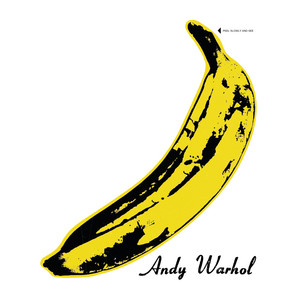
How could it not be really... taking aside it being one of the most culturally important albums and that Brian eno said that everyone who brought a copy in its first issue started a band... or that it's in the top 20 greatest albums of all time.... I just love the sound of the velvet underground, i love the lyrics.. the guitar tuning every string to the same note... experimentational style and just how its completely different from everything else out there...
The whole thing feels like a lazy, half-arsed effort by people who think they’re clever but can’t actually deliver. It’s like they’ve walked into a pub quiz thinking they’ll smash the music round because they skimmed a Wikipedia page about jazz. You can almost hear them patting themselves on the back after every dull, lifeless chord progression. It’s not clever, it’s not interesting—it’s just pretentious waffle dressed up as something sophisticated, like one of those overpriced craft beers that tastes awful but has a trendy label. I regret every second of this. It’s like being stuck talking to someone who insists they “truly understand” Thom Yorke because they once watched Meeting People Is Easy and now won’t stop going on about how “Kid A changed the game.” They don’t really get it—they just want to sound deep. This album feels like it’s trying so hard to be smart and different but has absolutely nothing to say. At least I can confidently say I never want to hear Steely Dan again. This is pretentious rubbish for people who think their music taste is “classy” because they’ve got a vinyl player from Argos and a shelf full of “Greatest Albums Ever” reissues. It’s music for people who talk a lot about sound quality but wouldn’t know a good tune if it hit them in the face. Total waste of time.
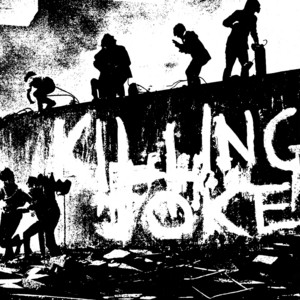
Killing Joke feels like a warning broadcast rather than an album, something urgent and slightly dangerous that still crackles with tension decades later. It is raw, hostile, and completely locked into its own worldview, with every track sounding like it is pushing forward on pure conviction. The production is stark but powerful, giving everything a physical presence that hits immediately and never really lets up. What I love about it is how uncompromising it feels. The rhythms are punishing, the guitars grind rather than shimmer, and Jaz Coleman’s voice sounds possessed rather than performed. There is no attempt to soften the edges or make this palatable, it is music that believes in itself absolutely. The atmosphere is oppressive in the best way, paranoid, militant, and intensely focused, and it creates a mood that few albums of its era manage to sustain so completely. The only reason I cannot give it a full five is purely personal. If “Eighties” had been on this album, it would feel untouchable to me, the final piece snapping perfectly into place. As it stands, Killing Joke is still breathtakingly close to perfect, a foundational statement that sounds as ferocious now as it must have then.
Lost Souls is an album that feels heavy with intention, but not always with impact. It aims for atmosphere and emotional sweep, and at times it gets there, creating wide, echoing spaces that feel introspective and sincere. There is a definite mood running through it, a sense of yearning and introspection that feels honest, but it often stretches that mood too thin across the album’s length. What holds it back for me is how often the songs blur together. The tempos, textures, and emotional tone stay within a very narrow range, which can make the experience feel more like drifting than moving. Individual tracks hint at something bigger or more affecting, but they rarely push far enough to fully arrive. The restraint feels intentional, but it also drains urgency, leaving moments that should soar instead hovering just above the ground. In the end, Lost Souls is an album I respect more than I connect with. It works well as a backdrop for reflection and has flashes of real beauty, but it does not quite dig deep enough to leave a lasting mark. I enjoy returning to parts of it rather than the whole, and that feels telling.
Toys in the Attic is Aerosmith at their most alive and dangerous, the point where swagger, songwriting, and sheer momentum all click into place. It has that loose, reckless energy that makes rock records feel physical, like they might tip over at any moment but never quite do. From the start, it sounds confident without being bloated, sharp without being polished to death. What I enjoy most is how direct it feels. The riffs hit hard, the grooves swing, and nothing hangs around longer than it needs to. Steven Tyler’s voice is raw and elastic, full of attitude but not yet buried under self parody, and the band sounds genuinely hungry. Even the sleazier moments feel driven by energy rather than ego, giving the album a sense of movement that keeps it engaging all the way through. It stops just short of being perfect because there are a few moments where the band leans into familiar rock tropes a bit too comfortably. Still, that familiarity is part of the appeal. Toys in the Attic captures a band in full flight, before excess and mythology started to outweigh the music
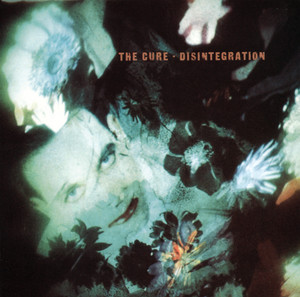
This is, without question, my favorite Cure album. It's one of those records that feels completely otherworldly, like it exists on its own plane. Listening to it on headphones is an experience—every sound is so intricate, so perfectly placed, it’s almost intoxicating. The opening is incredible: the shimmering, panned chimes that seem to dance around you, followed by the deep, grounding thud of bass and synth—it’s like a one-two punch that takes your breath away. The first two tracks are pure magic, the way they complement each other, like two parts of the same thought. The reverb, the delay, the EQ—it’s all done with such precision, creating this hypnotic effect that pulls you in completely. I find myself wanting to shut everything else out, just sit in the dark and let this album take over. It’s like drifting in and out of consciousness, somewhere between dreaming and waking, and honestly, I could stay there forever. What really gets me is the contrast. The way it moves between delicate, almost fragile moments and these saturated, intense bursts of sound. It’s dramatic in the most perfect way—gripping, emotional, but never forced. It’s not just an album; it’s a world you step into, and every time I listen, I never want to leave. A true masterpiece.
I’m a bit conflicted about this one. On the one hand, Paul Weller’s talent for writing a solid tune is undeniable—there’s a real knack for melody and catchiness throughout. The songs are nice, no doubt about that. But something about it feels a little of it’s dated, but not in a way that feels charming or timeless. It’s more like it’s trapped in a specific moment that doesn’t quite hold up. What really struck me, though, is how much this feels like Weller is trying to channel Steve Winwood. I can’t fully explain it, but I could easily imagine this as a Winwood album instead. It’s not a bad listen by any means, but it doesn’t feel particularly special, either. It’s like a lot of those records that 70s rock artists put out during this time—polished, competent, but missing that extra spark that makes it truly stand out. It’s like a decent brew that’s gone lukewarm; drinkable, but nothing to rave about.
Morrison Hotel is split into two halves: Hard Rock Cafe and Morrison Hotel, and they’ve got two pretty distinct vibes. The first half, "Hard Rock Cafe," is the blues one, and I have to admit, I wasn’t expecting much from it. The Doors, to me, have always been more about the psychedelic stuff, so the blues approach wasn’t something I thought I’d enjoy. But it’s actually quite decent. Roadhouse Blues is fine, it’s got the energy you’d expect, but it’s nothing particularly special. The rest of the side, however, has some great moments. Peace Frog stands out with that groove that’s unmistakably The Doors, and You Make Me Real is almost like garage rock. Waiting for the Sun is another highlight it brings a bit more atmosphere into the mix. Overall, it’s better than I had anticipated. The second half, is where you’d expect me to really get invested. This is meant to be the psychedelic half. And there’s some of that here; Land Ho! has a fun, trippy energy, and Indian Summer which was actually the 1st track they ever wrote back in 1965, I appreciated but seemed to me to be a much shorter version of the more famous 'The End' . But the rest? It didn’t leave much of an impression. The songs are fine, but they’re not the kind of tracks that linger in your mind. I kept hoping for something to really stand out, and it just never quite materialized. All in all, the first side was a pleasant surprise, while the second side fell short of expectations. It’s not a bad album; but it’s not the one I’d recommend to someone new to The Doors. A 3.5 if I’m feeling generous, but realistically, it’s more of a 3 when you look at the whole package. Decent enough; but they’ve done better.
Lauryn Hill’s undeniable talent is the lone saving grace of The Score, but even her brilliance can’t save this monotonous and overhyped album. “Killing Me Softly” is fine at best, but it pales in comparison to the original—hardly worth the effort of this reimagining. The rest of the album drones on, recycling the same tired beats for nearly every track, making it feel like one endless, lifeless loop. Even the skits, which should add charm or personality, are nothing more than irritating interruptions. The lyrics? Without having them in front of me, I’d have no idea what’s being said, and when I do catch bits of it, the subject matter is either gratingly crude or so far removed from anything I care about that it’s impossible to engage with. "Mista, Mista," for example, attempts to be a soft, reflective ballad but is ruined by gratuitous profanity and its overly bleak focus on addiction. It comes across as trying too hard to be edgy rather than meaningful. If anything, listening to this album underscores why Lauryn Hill left the group to go solo—her talent deserved so much better than this repetitive, uninspired production. Adding to the distaste is the knowledge of Wyclef Jean’s mismanagement and exploitation through his Yéle Haiti charity, which casts an even darker shadow over the whole experience. The Score may be considered a classic by some, but for me, it’s a shallow, monotonous slog that I couldn’t wait to end.
A descent into darkness, a corridor lined with echoes, each track a new step deeper into the abyss. Closer is less an album and more a confession, a whispered cry from a soul teetering on the edge. The opening, "Atrocity Exhibition," doesn’t welcome—it confronts. It is ugly, abrasive, and hauntingly human. There’s bravery in that choice, in starting with chaos and daring you to follow. This is not music that soothes. It writhes, it mourns, it disorients. The basslines pull like an undertow; the guitars claw at the edges of sanity. Martin Hannett’s production wraps the sound in a spectral fog, machines humming like ghosts beneath every melody. It is alien and yet painfully intimate, the dissonance of feeling too much and not enough. By "Heart and Soul," the transition becomes clearer—the rawness of Unknown Pleasures is still here, but now it’s surrounded by the cold light of synthesis. The human touch remains, but it fights through the circuitry, making the pain all the more palpable. Every lyric, every note, feels like a confrontation with mortality, with futility. When "Decades" arrives, it’s as though the record itself is taking its last breath. Some hear war, others hear life reflected from the grave. Both are right. It’s a culmination, a fragile beauty that fractures under its own weight. This isn’t just an album; it’s a testament, a warning. It’s goth before goth, post-punk as the shadow of something even darker. Closer doesn’t ask you to understand. It doesn’t even ask for your empathy. It simply is—unforgiving, relentless, stunning in its despair. Two months later, Ian Curtis was gone. What remains is this jagged monument, a tombstone etched in sound. You wonder if it could have saved him, but salvation never lived here. It is rain that follows the sun, a shroud over brighter days. Yet, in its hopelessness, it finds a way to dance. You can feel its influence in bands that followed, in sounds that dared to scrape at the edges of light. And somehow, from this, New Order rose.
Southern Rock Opera feels like a love letter to Southern rock culture, wrapped in heavy critique. It starts intriguingly, with thoughtful commentary on identity and racism, but quickly loses its spark. The concept is compelling, yet the 90-minute runtime turns into a test of patience as the songs blend together, leaving little that truly stands out. Musically, it’s polished but lacks grit. Tracks like The Southern Thing and Angels and Fuselage offer glimpses of brilliance, but much of it feels like a parody—campy vocals and overdone tropes that wear thin. A standout moment for me was when a female voice took over briefly, elevating the energy and coolness of the album, but it was fleeting. I wanted to connect with this, but it felt more like an academic project than a visceral experience. For all its ambition, it left me checked out, longing for something deeper and less self-aware. Highlights: Birmingham, Angels and Fuselage.
Coldplay’s Parachutes is, in many ways, a snapshot of their earliest promise—a record steeped in melancholy, nostalgia, and those iconic hooks that would come to define their sound. For some, it’s easy to dismiss Coldplay as middle-of-the-road, a band that seldom ventures into the unknown. Yet, when you step back, there’s an undeniable magic in this debut. It’s a competent, heartfelt collection of songs that set the stage for one of the biggest bands in the world, even if it doesn’t fully realize the creative risks it hints at beneath the surface. Listening to Parachutes, I’m struck by the guitar-driven pop-rock at its core. The shimmering guitars, tinged with tasteful delay and modulation effects, create a soundscape that’s as earnest as it is atmospheric. There’s a certain charm in the simplicity of the melodies and the emotional weight behind Chris Martin’s delivery. Tracks like Shiver and Spies remind me of a Coldplay reaching for an alternative edge, leaning into a rawness that would later be smoothed over in their more polished works. Still, there’s a sense of safety here, a reluctance to push boundaries. They flirt with unique ideas but often pull back, opting for comfort over surprise. It’s frustrating, in a way, because you can hear the possibility of something more just beneath the surface—a potential that remains tantalizingly out of reach. For me, the second half of the album resonates more deeply. From Trouble through to the hidden track, Life Is For Living, there’s a personal vulnerability in the music that feels genuine. These songs unfold like moody, introspective reflections, offering a glimpse of authenticity and earnestness that might explain why this debut continues to connect with so many. It feels like disjointed sad songs strung together, but somehow, Coldplay manages to sell the vibe, imperfections and all. Yet, my relationship with this album is complicated. It’s not just about the music—it’s about the memories tied to it. Parachutes became a time capsule of sorts, forever linked to a difficult period in my life. Coldplay was the first band I saw live on my own, at a venue that wasn’t Glastonbury, where I always had other people to lean on. I thought I was ready, and I wasn’t. They were undeniably great, but I wasn’t prepared to feel what I felt that night. That push and pull, the simultaneous longing for more from this album and relief at being able to shelve it when later records arrived, has shaped my view of Parachutes. It’s a bittersweet strain down memory lane, a reminder of a time when I felt everything too much. Maybe that’s why I don’t come back to this album often. It’s not that I dislike Coldplay—it’s that Parachutes pulls me too deeply into my own head, to places I don’t always want to revisit. In that way, it’s akin to how some people feel about Radiohead—an inescapable emotional gravity. And while I’ve drifted from Coldplay in the years since, there’s a part of me that still holds onto this record. It’s flawed, it’s safe, but it’s also earnest and human. Maybe that’s why it lingers.
Born in the U.S.A. is undoubtedly iconic, but it didn’t resonate with me as deeply as it has with others. The lyrics are brilliant—Springsteen paints a raw, unflinching picture of a fractured, working-class America, full of broken dreams and quiet despair. But musically, it doesn’t quite hit the same emotional depths. Compared to Born to Run, this feels more polished, more designed for radio, and a bit less cohesive as an album. There are standouts, though. I’m on Fire is hauntingly beautiful in its simplicity, while Dancing in the Dark is irresistibly catchy, synth-heavy in the best way. The title track is thunderous, packed with righteous anger, but its relentless repetition can wear thin—by the end, I’m ready to move on. The production, full of 80s synths and drum machines, feels dated now, and it sands down some of the grit that makes Springsteen’s storytelling so powerful. Tracks like Downbound Train and Working on the Highway suffer the most from this. That said, Springsteen’s ability to write songs that dig into real, often ugly truths about life is undeniable. Even if the album feels more like a collection of singles than a cohesive journey, the intelligence and passion behind it still shine through. It’s a good record, but for me, Born to Run will always be the one that truly captures Springsteen’s magic.
Review for Songs for Swingin’ Lovers! Songs for Swingin’ Lovers! is Frank Sinatra at his most polished and charismatic, crooning his way through a collection of timeless standards with the lush support of Nelson Riddle’s orchestration. Released in 1956, it’s a hallmark of the easy-listening genre, with tracks like “You Make Me Feel So Young,” “I’ve Got You Under My Skin,” and “Pennies from Heaven” defining Sinatra’s swingin’ persona. But let’s be honest: if you strip away the classy veneer, this album is basically Nine Inch Nails’ “Closer” for people who were 20 years old in 1956. Think about it—this was the soundtrack for a generation looking to sip martinis, put on their best suits, and charm their way into someone’s heart (and maybe a little more). While Trent Reznor’s version of seduction is all moody aggression and whispered promises of destruction, Sinatra’s is all winks, finger guns, and velvety smoothness. It’s the same game, just with a better haircut and less eyeliner. For those new to Sinatra, this album offers a great introduction, embodying his charm and the golden age of crooning. But for listeners who want more variety or emotional depth, it may come off as background music—great for washing dishes or hosting a dinner party but unlikely to leave a lasting impression. 3/5.. just middle of the road swing that's just inoffensive and classic but not going to listen to this again of my own free will
Stephen Stills’ Manassas double LP is as ambitious as it is enjoyable, packed with enough variety to keep you engaged while feeling like a musical journey that goes from coast to coast in the USA. It starts off slow, like someone easing into a jam session, before finding its stride with tracks like "Anyway." By the middle, the album leans heavily into country and western territory, capturing that old Appalachian charm with fiddles and banjos reminiscent of the Carter Family, Clarence Ashley, and Dock Boggs—but updated for the time. It’s the kind of pure Americana sound that might make you want to do a little jig, even if it occasionally meanders before the latter sides bring it home with lush harmonies and tight grooves. Manassas isn’t perfect—double albums rarely are—but it captures the spirit of the early ’70s with its bold ambition and variety. From the bluesy closer "Blues Man" to the layered energy of "Move Around," it’s an album full of heartfelt Americana that feels like a proper road trip soundtrack. It’s a mix of heartfelt and fun, like a long road trip with an old friend who can’t stop switching radio stations, but keeps finding good songs when he does so.
Herbie Hancock’s Head Hunters is a genre-defining blend of synth funk, jazz, and tribal influences, creating grooves that are both cool and meticulously crafted. The album’s opener, Chameleon, draws you in with its layered progression and irresistible funk, while Watermelon Man stands out with its tribal intro and playful refrains, keeping you hooked and slightly disoriented in the best way. Tracks like Sly showcase electrifying solos that blur the line between chaos and groove. The album's four extended tracks are masterfully composed, but some feel a bit lengthy or too similar, occasionally losing momentum. That said, it excels at creating an immersive experience, hitting a subtle yet deeply engaging vibe. Listening to this album on the day my uncle passed away offered a much-needed distraction, filling my crowded mind with jazzy, wordless vibes that helped me breathe. While not perfect, Head Hunters remains an innovative and timeless work of jazz-funk fusion.
I’m starting to suspect that Nick Drake might have been one of the greatest songwriters the world has ever seen. His early death robbed the world of something truly extraordinary, but Five Leaves Left is a reminder of the brilliance he left behind. These songs are heartwrenchingly beautiful, offering a glimpse into the mind of a man whose quiet sadness and poetic genius permeate every note. The blend of hushed vocals, intricate guitar work, and unique instrumentation makes this album feel like a mystic dream or a dark fairy tale. The strings on River Man are among the finest in folk music, and Three Hours seamlessly incorporates jazz basslines and understated percussion. The prophetic line from Fruit Tree, “They’ll all know that you were here when you’re gone,” Hits particually hard and it ends with 'Saturday Sun' a glimmer of warmth and hope a perfect, understated ending to an emotional but interesting journey. Drake’s influence is undeniable, even decades after his passing. Artists like Robert Smith of The Cure and Paul Weller have sung his praises, helping to bring his music to a wider audience. It’s hard to believe this wasn’t widely appreciated in his time. Five Leaves Left isn’t just a hidden gem—it’s a masterpiece. It’s an album I could listen to endlessly, each note resonating with a rare emotional depth. Nick Drake’s legacy is one of quiet brilliance, and this record deserves every bit of praise.
Tarkus is what happens when unchecked virtuosity meets a glaring lack of self-awareness. Keith Emerson dominates the album with his manic keyboard solos, scampering across the synths like a cat being chased, though you can’t help but think those keys should’ve been a guitar. The 22-minute title track is less a cohesive epic and more a disjointed showcase of Emerson’s ability to play really fast. It’s impressive in the way a juggling act is impressive—technically astounding but ultimately empty. For all their technical skill, Emerson, Lake & Palmer seem more interested in showing off than crafting something worth returning to. The album is overly polished but soulless, full of ideas that never gel. Despite its ambition, Tarkus feels half-baked—an experiment that thinks it’s revolutionary but ends up sounding both weird and generic at the same time. Listening to Tarkus is like attending a three-ring circus where the performers are undeniably talented, but the acts don’t flow, and you’re left wondering why you even came. It’s not bad enough to be offensive, but it’s not good enough to warrant a second listen. A few flashes of brilliance can’t save it from its own overblown pretensions.
Oracular Spectacular is an album that feels more like a cultural artefact of the late 2000s than anything truly memorable. It leans entirely on two monster singles, "Electric Feel" and "Kids," which admittedly still hold up as fun, catchy tracks that remind me of my first years living in Connecticut. Beyond that? The album quickly devolves into a tedious slog of dreary filler and pretentious psych-rock posturing. The non-single tracks are indulgent exercises in spacey, high-frequency noise that feel like a deliberate rehash of the worst parts of 1970s psych-rock. Instead of coming across as innovative, the production sounds washed-out, and the song writing feels half-baked. If you want an example of how it should be done, Gorillaz's Melancholy Hill from around that time shows how to mix radio-style vocals, synth-pop, and rock in a way that feels cohesive and inspired. While Oracular Spectacular gave the world a couple of hits that defined a brief moment in time, the rest of the album is a hollow, frustrating experience that reeks of style over substance. For every "Electric Feel," there’s a barrage of uninspired, screechy nonsense that makes you wonder why you’re even still listening. Two good tracks can’t save an album this bloated with filler.
It’s baffling that Aja holds such an exalted place in music history. Listening to this album feels like being trapped at a dinner party you never wanted to attend, where the conversation is polite but utterly lifeless. There’s no spark, no urgency—just a relentless stream of pristine, overthought compositions that leave you cold. Sure, there are brief flashes of guitar work that hint at potential, but they’re swallowed by a sea of sterile smoothness. This is music stripped of grit and soul, so perfectly manicured that it borders on oppressive. You can practically hear punk kicking down the door to banish this kind of indulgent, hollow perfectionism. Even when I tried to meet the album halfway, listening with fresh ears and some goodwill, it failed to deliver. The much-lauded production is a technical marvel, but it only serves to highlight how empty the music itself is. For all its technical prowess, the songwriting is lifeless, the performances uninspired, and the arrangements feel like they’ve been sanitized to the point of irrelevance. Tracks like “Deacon Blues” aim for grandeur but crumble under their own weight, offering little more than an elaborate exercise in mediocrity. It’s hard to feel anything when the music itself seems designed to avoid any confrontation with raw emotion. Music should stir something in the listener—joy, rage, heartbreak, even discomfort. But Aja does none of these. It’s the sonic equivalent of beige wallpaper in a beige room, for people who dream in beige and wake up thankful nothing in their beige world has changed. It’s music for those who fear vulnerability, wrapped in a smooth, unremarkable package that flatters itself as sophisticated. This is not an album that makes you feel alive; it’s one that dulls the senses until you forget what being alive even means. Perhaps the most damning indictment of Aja is its infamy as a tool of torture for prisoners at Guantanamo Bay. That, if nothing else, tells you everything you need to know.
The Vines - Highly Evolved Album Review The Vines’ 2002 debut, Highly Evolved, is a raw, energetic blend of garage rock, grunge, and Britpop swagger. Bursting with aggressive guitars, pounding drums, and snarling vocals, tracks like “Get Free” and “Outtathaway!” deliver catchy anthems that embody early 2000s rock revival. The band’s frenetic energy and unpolished charm make these highlights impossible to ignore. What sets the album apart is its versatility. While fast-paced, hard-hitting tracks dominate, songs like “Autumn Shade” show The Vines’ ability to slow things down and embrace melody. However, this variety also exposes the album’s inconsistency, with standout moments frequently interrupted by less compelling filler, preventing it from achieving a cohesive flow. Despite its unevenness, Highly Evolved captures the rebellious spirit of its era and helped bring guitar-driven rock back into the mainstream. It’s a thrilling, if flawed, debut that showcases a band full of potential and leaves a lasting impression with its best tracks.
Francis Albert Sinatra & Antonio Carlos Jobim is a fascinating collaboration that pairs Sinatra’s iconic baritone with Jobim’s masterful bossa nova sensibilities. The album walks a fine line between genius and tension, with Jobim’s subtle brilliance often playing second fiddle to Sinatra’s commanding presence. Tracks like “The Girl from Ipanema” and “Quiet Nights of Quiet Stars” evoke a dreamy, melancholic beauty, though Sinatra’s voice occasionally feels too forceful for the gentle, wistful tones that define the genre. The charm of this album lies in its lush, bossa nova-infused arrangements, which create an atmosphere that is both sophisticated and soothing. Sinatra’s ability to adapt to this style demonstrates his range as a vocalist, though some tracks feel haunted by earlier renditions from Getz and Gilberto. Despite these ghosts, the album’s overall sound is undeniably pretty, with the orchestra’s warm, breezy flow complementing Sinatra’s voice in ways that feel simultaneously nostalgic and innovative. While the album showcases Sinatra’s taste-making ability and willingness to step outside his comfort zone, Jobim’s contributions remain its beating heart. It’s a shame that bossa nova has been reduced to background music in popular consciousness, as projects like this highlight the genre’s depth and beauty. Francis Albert Sinatra & Antonio Carlos Jobim is not without its flaws, but it is an eminently listenable piece of art, offering a compelling fusion of two musical titans.
Lou Reed’s Transformer is nothing short of a masterpiece, a glam-rock triumph that marries his gritty lyrical storytelling with the flamboyant sheen of 1970s decadence. Produced by David Bowie and Mick Ronson, the album captures the essence of New York’s underground scene while propelling Reed into the mainstream with its slick, genre-defying sound. From the sultry groove of “Walk on the Wild Side” to the hauntingly beautiful “Perfect Day,” Transformer is an album that feels as bold and revolutionary now as it did upon release. What makes Transformer a five-star classic is its flawless blend of art and accessibility. Reed’s deadpan delivery and vivid, often provocative lyrics find the perfect counterbalance in Ronson’s lush arrangements and Bowie’s glam rock polish. Tracks like “Satellite of Love” shimmer with wistful beauty, while “Vicious” and “I’m So Free” burst with swaggering energy. Every song on the album feels essential, each revealing a new layer of Reed’s artistry, from biting wit to heartfelt vulnerability. With Transformer, Lou Reed redefined what a rock album could be, combining raw emotion, theatricality, and cultural commentary in a way that feels timeless. It’s a celebration of individuality, a snapshot of a vibrant, transgressive era, and a showcase of Reed’s unmatched ability to turn poetry into music. Few albums manage to be this groundbreaking while remaining utterly listenable, and Transformer stands as one of rock’s most enduring achievements.
LP1 is less an album and more an elaborate test of patience. FKA twigs has a voice, sure, but she seems determined to bury it under a heap of glitchy, overproduced sound effects and falsetto acrobatics that quickly wear thin. Each track meanders aimlessly, like a dubstep song stuck in first gear, never delivering any kind of payoff. It’s music that desperately wants to feel profound but ends up feeling like you accidentally wandered into someone’s experimental college art project. The production is sterile and overwrought, stripping away any chance of emotional connection. The lyrics—if you can even call them that—are little more than breathy, disconnected fragments that float over a backdrop of beats that can’t decide if they’re coming or going. It’s like listening to an overambitious student composer throwing every effect they can find into the mix, hoping it will somehow stick together. Spoiler: it doesn’t. Artists like Kate Bush or Tori Amos could pull off eccentricity with charm and coherence, but LP1 feels more like a random collection of noise that never even tries to hit that mark. Occasionally, the album flirts with something resembling an interesting idea, but it always fizzles out before it can go anywhere. It’s not just unmemorable—it actively defies you to care about it. For an album hailed as a critical darling, LP1 is an exhausting slog of pretentious production and lifeless performances. I didn’t just dislike this album—I actively hated it. Listening to it wasn’t an experience; it was a chore. One star—for at least knowing how to hit record.
Some albums are made on alcohol some on psychedelics—this one sounds like it was made entirely on Viagra. Sign "O" the Times is Prince in full, unfiltered, permanently-horny overdrive, stretching a single album’s worth of ideas into a two-LP marathon of funk, falsetto, and feverish lust. From start to finish, it’s like he’s trying to seduce the listener, the microphone, and possibly the entire world, and Im just not interested, it gets exhausting when he just won’t quit. Like someone pestering you in a nightclub when all you want to do is have a dance. There are some nicer moments. “The Cross” is a banger of a tune, “Housequake” is just silly fun. But then there’s way too much filler, a lot of meandering, and If I Was Your Girlfriend, isn’t just weird, it’s creepy. It’s Prince at his most obsessive, whispering and crooning in a way that feels less like seduction and more like he’s watching you through the blinds. The album is overflowing with ideas, but it’s like he refused to edit anything. There’s a great single album buried in here, but as a double LP, Sign "O" the Times is a test of endurance. It’s like Prince was so in love with every idea that he refused to cut anything, and the result is something that feels less like a masterpiece and more like an overexcited teenager showing you all his unfinished demos. Iconic? I guess in a way. A great listen? Not really. Compared to Purple Rain it's just not in the same league.
In A Silent Way doesn’t ask for your attention, it grabs it, slowly and effortlessly. This isn’t jazz that swings, pops, or even really moves in the way you expect. Instead, it floats, unravelling time until you forget where one note ends and the next begins. The electric pianos hum like streetlights flickering to life in the dusk, the guitar drifts in and out, and Miles well his trumpet slipping through the mix like the wind blowing gently around you. It’s so delicate that you almost don’t realize how much tension is lurking underneath, like the calm before something either beautiful or a storm happens, and you’re just waiting to see which way the clouds are blowing. This is jazz stripped down to its very bare essence. Space, mood, and the art of not saying too much. Miles is practically daring you to slow down, to stop expecting anything, and just exist inside the music. It’s the sound of a band listening as much as playing, every note hovering on the edge of something bigger. And just when you think you’re about to drift off into some blissful, weightless oblivion, the whole thing fades out—like it was never really there to begin with. Maybe it wasn’t. Maybe I just imagined the whole thing.
My Generation isn’t just an album—it’s a 36-minute declaration of war against boredom, authority, and anyone over the age of 30. The Who don’t just play these songs; they attack them, with Keith Moon’s drumming sounding like a caffeinated octopus having a meltdown, John Entwistle’s bass rumbling like a muscle car at a red light, and Pete Townshend slashing at his guitar like it owes him money. Then there’s Roger Daltrey, who doesn’t so much sing as bark, snarl, and, on the immortal title track, stutter his way into rock ‘n’ roll history. It’s loud, it’s messy, and it sounds like four young punks trying to smash their way through the walls of a recording studio. But beneath the chaos, there’s something razor-sharp about My Generation. The songs are tight, the hooks are undeniable, and there’s a desperate urgency in every chord. “The Kids Are Alright” and “A Legal Matter” show flashes of melody beneath the sneer, but at its core, this album is pure, unfiltered teenage frustration. It’s the sound of a band that hadn’t yet mastered their instruments but absolutely knew what they wanted to say. And what they’re saying, loudly and repeatedly, is get out of our way. Nearly 60 years later, that youthful defiance still crackles through every note. I like this album, but you can tell it’s shackled by the limits of 1965 recording technology. The Who want to be heavier, and you can hear them straining against the era’s sonic restrictions, begging for the kind of bone-rattling power that the '70s would later deliver. The guitars are crunchy but not quite feral, the bass rumbles but doesn’t roar, and Keith Moon sounds like he’s trying to punch a hole through a drum kit that just won’t let him. My Generation is a raw, explosive spark of what’s to come, but it’s clear The Who were already itching to kick the door open even wider.
There’s a calm, reflective beauty to Water From An Ancient Well, but it also feels like it’s got one foot stuck in the past. The playing is smooth, the melodies are lovely, but the whole thing has a slightly dusty, "Grandads jazz collection" vibe. It’s well put together, but it never really pushes—just sort of flows along, happy to exist. At its best, like on the title track, you get glimpses of something deeper, but too often, it leans into that overly polite, hotel-lobby sound where you’re nodding along but not exactly moved. The biggest issue? It feels a bit too safe. Ibrahim is clearly a great musician, but this album plays like a well-behaved history lesson instead of something alive and unpredictable. It’s the jazz equivalent of a really nice but wood wormed antique chair—you can appreciate the craftsmanship, but you wouldn’t want to sit in it for too long. Pleasant? Yeah as background music, Essential? Not really.
Some albums are bad, and then there’s Welcome to the Afterfuture, which isn’t necessarily bad—just aggressively, relentlessly annoying. The production alone might have scraped a 2/5—some half-decent beats, a few atmospheric moments—but the second Mike Ladd starts rapping, it’s like being trapped in a explicit lecture from someone reading out the urban dictionary and these lyrics are a hastily thrown together word salad and pointless swearing that feels less rebellious and more like filler because he ran out of things to say. The worst part is it never lets up. Every track is another round of forced edginess, scattered thoughts, and clunky delivery, all stretched over beats that deserve better. The only truly listenable track is “To the Moon’s Contractor”—an instrumental, because of course the best moment on the album is the one where Mike Ladd shuts up. And yet, somehow, despite having no lyrics, it’s still rated Explicit. Without the rapping, this could maybe be a tolerable 2/5, but with it, I’m struggling to even call it a 1. Less an album, more an endurance test. Still better than some of that Steely Dan I had to listen to, though.
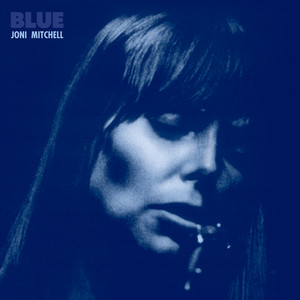
Some albums aren’t just great, they go way beyond this as if they are woven into the fabric of time and music itself. Blue is one of those albums. Joni Mitchell strips everything down to its bare essentials—just her voice, her words, and a handful of acoustic instruments—and somehow creates something that feels bigger than any full-band production ever could. The songwriting is devastatingly intimate, packed with raw emotion and poetic brilliance. Whether she’s longing for escape on California, reminiscing over lost love in A Case of You, or unraveling pure heartbreak on River, every song hits like a personal confession. There’s no filter, no pretense—just unvarnished honesty that cuts deeper with every listen. Joni’s voice is a marvel, shifting effortlessly from warm and comforting to sharp and piercing in an instant. While people love to joke about Bob Dylan’s voice needing a disclaimer, no such warning is needed here. Her delivery isn’t just technically impressive—it’s so deeply personal that it feels impossible to separate her from the music. Her unique tunings and delicate, precise guitar work only add to the magic, making every song feel like it could only ever belong to her. The melodies twist and turn in ways that defy easy imitation, creating songs that feel both familiar and impossible to replicate. Plenty of artists have tried to capture what Joni does here, but none quite succeed. They all wish they could sing like Joni Mitchell can and make an album like this. But they never really can...
It’s impossible to talk about Remain in Light without talking about rhythm—layered, hypnotic, unrelenting. This isn’t just an album that flirts with Afrobeat; it fully absorbs it, reshaping itself in its image. Talking Heads fully commit, building entire songs out of restless, looping patterns that never stop moving. The opening one-two punch of Born Under Punches (The Heat Goes On) and Crosseyed and Painless is pure nervous energy, while The Great Curve is a monster—Tina Weymouth’s bass and Chris Frantz’s drums locked together like a machine, with Adrian Belew’s guitar screeching and contorting like it’s trying to escape reality itself. It’s dense, intricate, and completely hypnotic. Brian Eno fingerprints are everywhere. He didn’t just produce this record; he shaped it, layering sounds in a way that pushes Remain in Light beyond post-punk into something closer to a living organism. There’s an argument to be made that this is just as much an Eno album as a Talking Heads one, but if that’s true, it’s one of the best things either of them ever put their names on. Remain in Light never loses that Talking Head weirdness though David Byrne spends the whole record sounding like a man having a crisis, ranting about political paranoia, fragmented identity, and, in Seen and Not Seen, literally monologuing about reshaping his own face through sheer willpower. And then there’s Once in a Lifetime, the most famous track here—somehow fusing pop, anxiety and existential dread into one of the greatest singles of the ‘80s. It’s a song that feels like a nervous breakdown you can dance to. This is one of those albums that was so ahead of its time that entire genres are still catching up. There is still water flowing underground...
nothing entirely remarkable about this album, some moments were nice, but this just felt like background filler/grocery store mall music. Not gonna return probably
Billy Joel might be one of the easiest musicians to make fun of, but The Stranger proves there was a time when he deserved to be taken seriously. It’s packed with big, bold melodies, sharply written working-class vignettes, and that undeniable Joel knack for crafting a tune that sticks in your head whether you want it to or not. Songs like Movin’ Out (Anthony’s Song) and Scenes from an Italian Restaurant show his ability to blend storytelling with pop hooks, while Only the Good Die Young bounces along with just the right amount of rebellious charm. Even the mega-hit Just the Way You Are—overplayed to death at weddings—still holds up as a well-crafted ballad, even if it’s not the album’s strongest moment. But for all its craftsmanship, The Stranger can’t quite shake a certain glossy, overly polished quality that makes it feel just a little too eager to please. Joel’s theatrical delivery sometimes pushes things into cheesier territory, and tracks like Everybody Has a Dream try to hit big, emotional heights but end up feeling forced. Still, the production is slick, the melodies are undeniable, and even when the album leans into its more saccharine tendencies, it’s hard to deny that it’s all executed with precision. The best moments, like the title track and Vienna, show a depth and sophistication that make you wish Joel leaned into his subtler side more often. For all the criticisms Joel gets, one thing’s for sure: he’s a better version of Elton John. He may not have the same flamboyance, but his songs are sharper, his lyrics more grounded, and his music less reliant on bombast for impact. The Stranger isn’t a perfect album, but it’s proof that, at his peak, Billy Joel was more than just a pop hit machine—he was a songwriter who could hold his own, even if he sometimes played it a little too safe.
Run-D.M.C. - Raising Hell Album Review I get why Raising Hell is considered a landmark album, but listening to it now, it just feels... fine. Not bad, not great, just there. The production is stripped down to the essentials—big, booming beats, simple but effective rock guitar riffs, and that signature Run-D.M.C. back-and-forth delivery. Tracks like It’s Tricky and My Adidas still have that undeniable energy, and Walk This Way is, well, Walk This Way—a crossover moment that’s been talked about to death. It’s all solid, but nothing about it really grabs me beyond its historical significance. The problem is, once you get past the big moments, there’s not much keeping me engaged. The flows feel stiff compared to what came after, the production—while influential—sounds a little too bare at times, and some tracks just blur together. I respect what Run-D.M.C. did here, blending hip-hop and rock in a way that changed the genre forever, but I can’t say I love listening to it. It’s loud, brash, and confident, but also kind of repetitive, like they found one gear and stuck with it for the whole album. That said, I don’t dislike Raising Hell—it just doesn’t excite me. It’s the kind of album I can nod along to but not something I’d actively put on. I respect its place in history, and I get why people love it, but for me, it’s just okay. Not a game-changer, not a skip-all-the-way-through situation, just… meh.
Orange Juice - Rip It Up Album Review Rip It Up is a fun, quirky little album that doesn’t quite reach greatness but has enough charm to make it worthwhile. Orange Juice blend post-punk jangle with a funky, almost disco-like groove, creating something that feels light, effortless, and refreshingly offbeat. The title track is easily the highlight, with its bouncy, rubbery bassline and sly, knowing vocal delivery, a song so catchy it almost tricks you into thinking the whole album will be just as infectious. Elsewhere, tracks like Flesh of My Flesh and Louise Louise have a scrappy, playful energy that keeps things moving along nicely, even if they never quite hit the same highs. The problem with Rip It Up is that it never fully commits to being one thing. At times, it leans into funk and new wave, at others, it feels like a more polished version of their early post-punk roots, but it never quite locks into a distinct identity. Edwyn Collins’ deadpan croon adds character, but occasionally the album meanders, with songs like Breakfast Time and A Million Pleading Faces feeling more like pleasant background music than essential listening. The band’s decision to embrace slicker production works in some places but also smooths out some of the raw charm that made their early work so unique. That being said, Rip It Up is still an enjoyable listen. It’s got an undeniable sense of fun, some strong grooves, and enough personality to keep things interesting, even if it never fully delivers on its potential. It’s good, sometimes very good, but never quite great. A solid, enjoyable album that just stops short of being a classic.
Arctic Monkeys - Whatever People Say I Am, That’s What I’m Not Album Review Arctic Monkeys’ debut is often hailed as a defining indie rock record, but stripped of its initial hype, it feels more like a collection of energetic yet repetitive tracks. The production is deliberately raw, matching the band’s barroom grit, but this unpolished sound causes many songs to blur together. Tracks like I Bet You Look Good on the Dancefloor and The View from the Afternoon burst with urgency, but their relentless pacing leaves little room for dynamics. Even when the band slows down, as in Riot Van, the stripped-back approach feels underdeveloped rather than refreshing. Lyrically, Alex Turner’s sharp storytelling captures the chaos of British nightlife with humour and wit, but the themes rarely evolve beyond drunken encounters and social posturing. Songs like Fake Tales of San Francisco and Still Take You Home are fun but ultimately feel one-note, and by the time A Certain Romance attempts some reflection, the formula has worn thin. While the album’s energy is undeniable, the lack of variety and depth makes it feel more like a promising start than a fully realized classic. There’s no doubt Whatever People Say I Am... had an impact, but its relentless speed and limited scope make it feel less timeless than some of its indie rock peers. It’s a fun ride, but one that runs out of new tricks before it’s over.
Jack White - Blunderbuss Album Review Blunderbuss is a solid, occasionally brilliant record that shows Jack White stepping out of his usual garage-rock chaos and embracing a more refined, bluesy aesthetic. It’s still unmistakably him—sharp guitar work, off-kilter melodies, and that restless energy—but with a little more polish and maturity. Tracks like Sixteen Saltines and Freedom at 21 deliver the jagged, riff-heavy punch you’d expect, while Love Interruption and Hypocritical Kiss lean into softer, more soulful territory. White’s always been great at balancing the raw and the delicate, and this album proves he’s just as compelling outside The White Stripes as he was within them. That being said, Blunderbuss doesn’t completely escape White’s tendency to wander. While the mix of rock, blues, folk, and piano balladry is interesting, some tracks feel more like experiments than fully fleshed-out songs. The production is warm and organic, but at times, the album feels like it’s searching for a stronger identity. White bounces between swaggering confidence and melancholy introspection, and while that contrast is part of his charm, it can make the album feel a little scattered. Still, even at its most uneven, Blunderbuss is an enjoyable ride. It’s Jack White proving he can go beyond what people expect from him, exploring new textures without losing his signature edge. It may not be his best work, but it’s a compelling, well-crafted album.
The Thrills - So Much For The City Album Review There are some albums that just feel like a perfect way to start the day, and So Much For The City is one of them. Warm, breezy, and effortlessly melodic, it’s a record that rolls along like a lazy drive down the coast, with jangly guitars, rich harmonies, and just the right amount of nostalgia. From the sun-drenched bliss of Big Sur to the laid-back charm of Santa Cruz (You’re Not That Far), it’s an album that captures a wide-eyed, dreamlike version of California—made all the more amusing by the fact that The Thrills are actually from Ireland. What makes this album work so well is its consistency—there are no wild shifts in tone or sudden detours, just a smooth, easy ride from start to finish. Even on the more melancholy tracks, there’s a comforting warmth that never fades, like a golden haze over the whole record. The mix of indie rock, folk, and vintage West Coast pop influences gives it a timeless quality, making it an album you can throw on in the morning and just let it carry you wherever it wants to go. I actually saw these guys at Glastonbury, and the memory that sticks with me most—aside from how effortlessly fun their set was—is them throwing a mic into the crowd at the end of the gig. Still not sure if they got in trouble for that, but it felt fitting for a band whose music sounds so free-spirited and untamed. So Much For The City might not be groundbreaking, but it’s the kind of album that makes you feel good every time you put it on, and sometimes, that’s exactly what you need.
Albums like Harvest make you wonder how something so seemingly effortless can carry such immense emotional weight. It’s an album that feels as though it was plucked straight from the air, a collection of songs that existed long before Neil Young ever recorded them, just waiting to be captured. There’s a purity to Harvest—a rare combination of vulnerability, simplicity, and depth that few artists have ever achieved. From the dusty warmth of "Out on the Weekend" to the aching sorrow of "The Needle and the Damage Done," every song feels like a conversation with the past, present, and future all at once. It’s music that doesn’t try too hard, yet leaves an imprint that never fades. What makes Harvest even more remarkable is its production. Recorded in a barn in California with a mobile studio, the album has an organic, unpolished sound that only adds to its intimacy. The lush string arrangements on tracks like “A Man Needs a Maid” and “There’s a World” might feel grandiose in contrast to the album’s rustic charm, but instead of clashing, they highlight Young’s delicate balance between fragility and ambition. The production choices—using sparse, raw instrumentation, the occasional imperfections in Young’s voice, the unmistakable warmth of analog tape—make Harvest feel alive. It’s not overproduced, nor does it sound like a product of its time; it sounds like it was meant to exist in every era. That’s why Harvest is truly timeless. Decades later, it still resonates just as deeply as it did in 1972. The themes of love, loss, longing, and mortality are universal, and Young’s delivery—gentle, weary, and filled with unguarded honesty—ensures the songs never feel distant. Whether it’s being rediscovered by new generations or cherished by those who grew up with it, Harvest remains a touchstone for anyone seeking music that feels real. It’s the kind of album that meets you wherever you are in life, reflecting your joys, your heartbreaks, your hopes. Some records are classics because they defined a moment in time. Harvest is a classic because it exists outside of time.
Van Morrison - It’s Too Late to Stop Now Album Review There’s a fine line between capturing an artist in their raw, untamed glory and just throwing an entire concert at the listener with zero restraint. It’s Too Late to Stop Now stomps right over that line and keeps on going for what feels like an eternity. There’s no doubt Van Morrison’s band is on fire here—the brass section, in particular, is the real star of the show, blasting through the arrangements with energy and precision that keeps things lively even when Morrison himself starts to wear thin. But let’s be honest: this album is way too long. It’s the musical equivalent of being cornered by a guy in a pub who won’t stop telling you about the time he really got into transcendental meditation. A tight, single-disc live album could have been a triumph; instead, we get a bloated, self-indulgent sprawl that feels like a test of endurance. And then there’s Van. His voice, as always, is unique, but in this setting, it’s an all-you-can-eat buffet of his most extra tendencies. He sounds like he’s permanently halfway through eating a sandwich but still trying to belt out a soulful tune, gulping down syllables in between swigs of whatever keeps him going. Sure, it works for a few songs—his wild, impassioned delivery has always been his trademark—but over nearly two hours of growling, wailing, and borderline incomprehensible muttering, it becomes a lot. Tracks like Caravan and Domino bring undeniable energy, but so many others just meander, stretching out well beyond their welcome like an encore that nobody actually asked for. As a document of Van Morrison’s stage presence, it’s thorough—painfully so. There’s a great one-album live record hiding in here, but instead, we get a bloated, self-indulgent marathon that feels more like a challenge than an experience. By the end, you’re less in awe of Morrison’s talent and more just relieved it’s finally over.
Blur - Blur Album Review Blur’s self-titled 1997 album was their grand reinvention, a bold left turn that saw them ditch the knees-up Britpop anthems in favor of something grittier, artier, and—let’s be honest—a bit more American. Gone were the chirpy cockney tales of bus stops and greasy spoon breakfasts; instead, we got fuzzy guitars, existential mumbling, and a general sense that Damon Albarn had been spending a lot of time in a dark room, listening to Pavement and questioning his life choices. It was a sonic reinvention that critics ate up, and fair play—Blur is an excellent album. But let’s not get carried away. It’s not Oasis, is it That’s not to say the album doesn’t slap. Song 2 alone is scientifically proven to make any activity 64% more exciting—whether it’s playing football, Cleaning a room, or just making a sandwich. Beetlebum is a proper slinky, woozy gem that makes you feel like you’ve just woken up with a banging hangover, On Your Own is weirdly brilliant, and Look Inside America might be one of Blur's finest moments. Even the more experimental bits like Essex Dogs have a certain chaotic charm. It’s an album of textures, moods, and grungy weirdness, and the fact that Blur pulled it off so well proves they were more than just Britpop’s cheeky chappies.
Third/Sister Lovers is a fascinating mess—more a document of Alex Chilton’s unraveling than a fully realized album. The songs veer between hauntingly beautiful (Nighttime, Take Care) and outright disjointed (Kanga Roo, Downs), with the production often feeling half-finished, as if the band lost interest halfway through recording. While moments of brilliance shine through, the album’s lack of cohesion and its bleak, meandering nature make it a difficult listen. There’s an undeniable rawness here, but rather than feeling like an intentional artistic statement, it comes off more as a band falling apart in real time. A cult curiosity for sure, but not an easy or particularly rewarding experience.
Dagmar Krause - Tank Battles Album Review Tank Battles is an interesting, if slightly niche, listen—dramatic, theatrical, and steeped in a wartime cabaret aesthetic that makes it feel like it’s being broadcast from a crackling old radio in a bomb shelter. Krause’s voice is sharp and commanding, perfectly suited for the Brechtian, politically charged material, but the album’s intensity can be a bit much over a full listen. It’s well-executed and certainly unique, but unless you have a taste for Weimar-era torch songs repurposed for modern times, it might not be something you revisit often. It’s okay, just very much an acquired taste.
Some bands catch a wave, others are the wave. Document proves that in 1987, R.E.M. wasn’t just ahead of the curve—they were the curve, writing songs that would shape the sound of the ’90s before the decade had even begun. It’s an album stacked with urgency, grit, and melody, where every track feels vital, every riff purposeful, and every chorus impossible to ignore. Michael Stipe’s cryptic, commanding vocals, Peter Buck’s unmistakable chiming guitar, and the propulsive rhythm section of Mike Mills and Bill Berry all lock together into something that feels both raw and meticulously crafted. This isn’t just great alternative rock for its time—it’s the blueprint for what would come next. And then there’s The One I Love—a song so deceptively simple yet so utterly massive that it still stops you in your tracks. That iconic opening riff, the way Stipe’s detached, almost bitter delivery turns "This one goes out to the one I love" from a love song into something darker, more haunting—it’s pure brilliance. It’s the kind of song that lesser bands spend entire careers trying to write, yet for R.E.M., it’s just one of the many moments on Document that hit like a hammer. Finest Worksong kicks the album off with sheer force, Exhuming McCarthy sneers with political fire, It’s the End of the World As We Know It (And I Feel Fine) is a manic masterpiece of lyrical chaos, and King of Birds brings in an eerie, poetic beauty that lingers long after the album ends. This is R.E.M. at their sharpest, boldest, and most forward-thinking. Document isn’t just a great album—it’s a defining moment in alternative rock history. Every track is a banger, every song feels urgent, and the whole thing plays like a warning shot for the decade to come. It’s not just a 5/5—it’s essential.
David Bowie - The Next Day Album Review When David Bowie came back after a decade of silence with The Next Day, it felt like a magic trick—one moment, he was just a whisper of a rumor, the next, he was standing there, fully formed, holding an album that nobody saw coming. And, of course, it was good. Because Bowie doesn’t do bad. He could record himself reading a takeaway menu over a drum machine, and it would still be worth dissecting. But here’s the thing—The Next Day is good in a way that’s almost frustrating. It’s sharp, full of energy, and packed with moments of brilliance, but it never quite reaches the oh my god this is a masterpiece level that Bowie has conditioned us to expect. It’s the curse of being a genius—when you’ve made Ziggy Stardust, Low, and Scary Monsters, a merely very good album feels like an underachievement. That being said, there’s a lot to love here. The title track kicks down the door with the kind of force that says, Yeah, I’m back, deal with it, while The Stars (Are Out Tonight) is pure Bowie—eerie, catchy, and slightly unhinged. Where Are We Now? is the closest thing to a gut-punch, a reflective, weary ballad that feels like a man looking back on his own myth. Meanwhile, Valentine’s Day and Love Is Lost are proof that Bowie could still craft a tune that hooks into your brain and refuses to let go. The whole album has this weird, jittery, almost punkish energy, like he’s intentionally avoiding slipping into nostalgia, pushing forward instead of looking back. But as good as it is, The Next Day never quite reaches that untouchable Bowie level. It’s like watching a legend remind you why they’re a legend without necessarily giving you something that rewrites the rulebook. A 4/5 album from Bowie is still better than most artists' entire careers, but let’s be honest—he’s competing with himself, and when you’ve spent your life setting the bar in outer space, even a great album can feel like it’s just this close to something greater. Still, if this was Bowie proving he could still surprise us, mission accomplished.
Dusty Springfield - Dusty In Memphis Album Review Dusty in Memphis is one of those albums that’s nice while it’s on but doesn’t leave a huge impression once it’s over. Dusty Springfield’s voice is undeniably smooth and soulful, and the production has that warm, polished late-60s feel, but for all its reputation as a classic, it never quite hits the way you expect it to. Tracks like Son of a Preacher Man and Just a Little Lovin’ stand out as clear highlights, but much of the album settles into a pleasant, if unremarkable, groove. It’s all very well-crafted, but there’s something a little too restrained about it—like Dusty is holding back rather than fully letting loose. The arrangements are tasteful, the instrumentation is lush, and the whole thing sounds effortlessly classy, but it lacks that extra spark to push it into great territory. It’s the kind of album that works well as background music, a mellow and easy listen, but nothing about it really demands your attention. That said, Dusty in Memphis is a fine album, just not an exciting one. It’s smooth, polished, and nice enough, but it’s hard to shake the feeling that it should be more than just nice.
There’s no denying that Kendrick Lamar is an ambitious artist, but To Pimp a Butterfly is a prime example of an album drowning in its own self-importance. It wants to be profound at every turn, stuffing itself with jazz-fusion instrumentals, spoken word interludes, and long-winded monologues that seem more interested in proving their depth than actually connecting with the listener. While it aims to be a powerful commentary on race, struggle, and the weight of fame, it ultimately feels like an exhausting lecture that goes nowhere. The album is so caught up in presenting itself as high art that it forgets to be engaging, making for a bloated and self-indulgent listening experience. Beyond the message, the biggest issue is the hypocrisy baked into the industry that produces this kind of music. To Pimp a Butterfly critiques the system, but it’s still a product of that same system, repackaging pain, struggle, and rebellion into something that record labels and streaming services can profit from. The cycle of “f**k the police” has been going on since the late ‘80s, and instead of finding a new way to break through, this album just repaints the same old message in abstract, overwrought colours. Worse still, it’s weighed down by the contradiction of hip-hop’s commercial machine—artists who claim to be against the system while thriving within it, benefiting from the very thing they condemn. Even if the message was delivered better, the music itself just isn’t that good. The production leans too heavily into chaotic, messy jazz and awkward funk grooves that feel more like an art school experiment than an album meant to be listened to. The beats lack cohesion, the hooks are weak, and even Kendrick’s rapping, is often buried under clunky arrangements or forced theatricality. Instead of being a timeless classic, To Pimp a Butterfly is an overcooked, self-indulgent, and ultimately forgettable album that collapses under the weight of its own ambition.
L.A. Woman is The Doors at their rawest and most unfiltered, ditching some of the psychedelic haze of their earlier work in favor of a looser, blues-heavy sound that suits them surprisingly well. Jim Morrison’s voice is grittier, more lived-in—half shaman, half barroom poet—and the band leans into a swampy, road-worn groove that makes tracks like Been Down So Long and Crawling King Snake feel as dirty as they should. The title track is a hypnotic, sprawling ride, Riders on the Storm is pure cinematic cool, and Love Her Madly injects just enough radio-friendly polish to balance things out. It’s an album that sounds like it was recorded in a room thick with cigarette smoke, beer bottles rattling on the floor, and that energy makes it one of their most compelling. That said, L.A. Woman isn’t quite perfect. Some tracks feel a little stretched out, and the bluesier direction, while fitting, doesn’t always hit as hard as their more mystical, fever-dream moments from earlier albums. Morrison’s vocals, while still commanding, sometimes feel more like a man on his last legs than a rock god in his prime—which, given the circumstances, makes the album feel even more like the chaotic last stand it was. Still, there’s something undeniably magnetic about L.A. Woman. It’s the sound of a band shedding the last of its illusions and going all in on instinct, and while it’s rougher around the edges than their more polished work, that’s part of its charm. A gritty, blues-soaked farewell from one of rock’s most enigmatic frontmen, and an album that—flaws and all—still deserves its place in the pantheon. 4/5
If you want to hear the birth of psychedelic rock in all its raw, unfiltered glory, The Psychedelic Sounds of the 13th Floor Elevators is as essential as it gets. This 1966 album didn’t just flirt with the idea of mind-expanding rock—it fully embraced it, throwing traditional rock ‘n’ roll into a swirling, reverb-soaked chaos of wild vocals, fuzzed-out guitars, and, of course, that infamous electric jug. Roky Erickson’s voice is a force of nature, full of manic energy and haunting beauty, while the band backs him with a mix of garage rock grit and early proto-punk intensity. You’re Gonna Miss Me remains one of the most electrifying opening tracks of the era, and songs like Reverberation, Kingdom of Heaven, and Splash 1 balance that manic energy with an eerie, hypnotic atmosphere. Of course, the electric jug is the divisive element here, a percussive, bubbling presence that either makes the album feel totally unique or grates on your last nerve, depending on your tolerance. But even if you’re not sold on the jug, the sheer conviction of this record is undeniable. There’s no studio trickery or excessive effects—just pure, raw, freaked-out garage rock that feels like it’s teetering on the edge of madness. And given the tragic yet fascinating story of Roky Erickson and the band’s history, it’s hard not to hear this as a genuine transmission from another plane of existence. At its best, this album captures a moment in time when psychedelic rock wasn’t yet a defined sound but a wild, untamed force. It’s rough around the edges, sometimes unhinged, but undeniably groundbreaking. Whether you love it or just admire its historical importance, The Psychedelic Sounds of the 13th Floor Elevators is a trip worth taking.
If there’s one thing you can always count on from Björk, it’s that she’ll never take the easy route. Medúlla is one of her most fascinatingly bizarre albums—an almost entirely vocal-driven experiment where the usual lush instrumentation is stripped away in favor of layered human voices, beatboxing, and choral arrangements. The result is an album that feels primal, futuristic, and at times, downright unsettling. Tracks like Where Is the Line and Mouth’s Cradle push the boundaries of what a song even is, while Who Is It and Triumph of a Heart bring in enough structure to keep things from feeling completely unhinged. It’s weird, challenging, and often beautiful, but definitely not an easy listen. The genius of Medúlla is in its textures—Björk turns voices into rhythm, harmony, and even noise, creating an album that feels both deeply human and strangely alien. At times, though, it can feel more like an art project than a fully realized album. The absence of traditional instruments makes some moments feel hollow, and while the vocal experimentation is impressive, it can also be overwhelming, like listening to an avant-garde a cappella group trapped in an echo chamber. It’s ambitious, but not always something you want to put on. Still, you have to admire the sheer audacity of Medúlla. It’s not Björk’s most accessible work, but it might be one of her most daring. It’s an album that sounds like it was made in a world where instruments don’t exist—just voices, breath, and raw emotion. Whether that makes it a masterpiece or a fascinating misstep depends entirely on how much you’re willing to let Björk drag you into her strange, otherworldly vision.
More Songs About Buildings and Food is the sound of a band sharpening their weirdness into something unexpectedly funky. It takes the jittery, anxious energy of their debut and injects it with more groove, more confidence, and—thanks to Brian Eno’s production—more sonic texture. David Byrne still sounds like a man having a nervous breakdown at a house party, but now he’s backed by a band that feels tighter, punchier, and more locked into rhythm. Tracks like Thank You for Sending Me an Angel and Artists Only are frantic, quirky post-punk gems, while The Good Thing and Stay Hungry show off a new level of polish and precision. And then, of course, there’s Take Me to the River, the band's unexpectedly soulful Al Green cover that somehow became their first hit. The brilliance of this album is in how it walks the line between art-rock oddness and something genuinely danceable. Tina Weymouth’s bass is groovier, the guitars are sharper, and the whole album has a kinetic, driving energy that keeps it from feeling as skeletal as their debut. That said, it still has that Talking Heads awkwardness—some songs feel more like rhythm experiments than fully fleshed-out tracks, and Byrne’s lyrics remain cryptic to the point of absurdity. But that’s part of the charm. While it doesn’t quite reach the legendary heights of what was to come, More Songs About Buildings and Food is a massive step forward—an album that proves Talking Heads weren’t just a quirky CBGB’s band, but something far more ambitious. It’s weird, groovy, and endlessly interesting, the first real sign that they were evolving into one of the most important bands of their era.
Few albums can genuinely be called genre-defining, but Blue Lines didn’t just define trip-hop—it built the entire blueprint. Everything about this record oozes effortless cool, from the laid-back, dub-infused beats to the murky, late-night atmosphere that feels both hypnotic and unsettling. The production is rich, textured, and deeply immersive, weaving together elements of hip-hop, soul, reggae, and electronic music into something that still sounds futuristic, even decades later. Songs like Safe from Harm and Five Man Army glide along with a heavy, pulsing groove, while Unfinished Sympathy is an undeniable masterpiece—so cinematic and emotionally powerful that it feels almost untouchable. What makes Blue Lines so special is how deeply it feels like a world of its own. The interplay between 3D, Daddy G, and Tricky gives the album a restless, unpredictable energy, while Shara Nelson’s vocals add a haunting beauty that elevates it beyond just beats and samples. There’s an undercurrent of paranoia and grit running through the record, but it’s never overwhelming—it’s the kind of album that pulls you in and wraps around you like city lights flickering in the rain. While later Massive Attack albums like Mezzanine would take their sound into darker, heavier territory, Blue Lines remains the purest expression of their vision—cool, controlled, and effortlessly innovative. It’s not just a trip-hop classic; it’s one of the most important albums of the ‘90s, and a perfect example of music that sounds both of its time and completely timeless.
The Pixies aren’t for everyone, and Doolittle is a perfect example of why. It’s screamy, unpredictable, and takes some getting used to, but once you tune into its weird, off-kilter wavelength, you can start to see why it’s considered so influential. There’s a rawness to it that feels deliberately abrasive—one minute you’re in a sweet surf-rock melody, the next Black Francis is howling like a man possessed. Tracks like Debaser and Wave of Mutilation hit with manic energy, while Here Comes Your Man offers a rare moment of breezy, radio-friendly relief. It’s chaotic, messy, and at times downright bizarre, but there’s no denying that it paved the way for countless alternative bands that followed. That said, Doolittle isn’t the best Pixies album, and it’s not quite a classic in the sense of being something you instinctively return to over and over again. It’s fascinating in its contrasts—loud-quiet-loud dynamics, absurdist lyrics, and that signature mix of beauty and aggression—but it’s not always an easy listen. Some songs hit hard, others feel like experiments that work more in theory than in practice, but you can’t say it lacks innovation. The way it bridges punk, surf rock, and something completely unhinged is what makes it important. For what it is, Doolittle is a bold and influential record, and you can hear echoes of it in everything from Nirvana to Radiohead to the entire ‘90s alt-rock explosion. But is it the kind of album you put on constantly? Probably not. It’s more of a landmark than a go-to, but as far as alternative rock touchstones go, it’s still a solid 4/5.
Bright Flight is an album that feels like it’s constantly teetering between deadpan humor and crushing sadness, and somehow, David Berman makes that balancing act feel effortless. His voice, as always, is more of a wry, world-weary drawl than traditional singing, but that’s part of the charm—it’s like listening to a guy at the end of the bar tell stories that are equal parts poetic, absurd, and devastating. Songs like Slow Education and Let’s Not and Say We Did are beautifully lazy in that Silver Jews way, drifting along on twangy guitars and lyrics that feel like inside jokes between Berman and the universe. Then there’s Tennessee, probably the closest thing here to a proper country song, but still laced with the kind of irony and longing that makes it unmistakably his. It’s not an album that demands your attention—it just exists, unfolding at its own pace, and either you’re on its wavelength, or you’re not. The arrangements are more stripped-down than on previous Silver Jews records, making the songwriting feel even more exposed, sometimes to the point of feeling too slow or sparse. But there’s something undeniably hypnotic about Berman’s world, where love, loss, and deadpan one-liners coexist in a way that makes you laugh right before it punches you in the gut. Bright Flight might not be as immediate or iconic as American Water, but it’s still a beautiful, melancholy trip through Berman’s singular mind. It’s sad, it’s funny, and it’s got just the right amount of existential shrug. If you’re already a Silver Jews fan, it’s another chapter worth savoring. If you’re not, this probably won’t be the album to change your mind—but for those who get it, it’s a quiet masterpiece.
For an album that’s supposed to be a grand progressive rock statement, 2112 is shockingly uninspired in its execution. The title suite, taking up the entire first half of the record, is less an ambitious composition and more a series of loosely connected musical ideas awkwardly stitched together. It begins with a blaring overture that feels like a checklist of prog clichés—pointless guitar arpeggios, bombastic drum fills, and excessive synth stabs that scream “epic” without actually earning it. The transitions between sections are jarring, lacking any real sense of development, making it feel more like a series of isolated jams rather than a cohesive piece. Alex Lifeson’s guitar work, while technically proficient, constantly veers between lifeless chugging and wandering solos that feel directionless. Neil Peart, for all his precision, overplays nearly every section, filling every available space with unnecessary complexity rather than serving the song. And then there’s Geddy Lee, who delivers every line with a nasal screech so theatrical it sounds like he’s performing an off-Broadway rock opera about Ayn Rand’s Anthem—which, unfortunately, is exactly what he’s doing. The second half of the album is where you’d hope things would improve, but instead, it just confirms that Rush had no real interest in making their music actually engaging. A Passage to Bangkok attempts to inject some groove but plods along with a rigid structure that never quite locks in, with a main riff that feels like it’s permanently stuck in first gear. The Twilight Zone tries for atmosphere but lacks any real tension, drifting aimlessly between lethargic verses and a chorus that has no sense of impact. Lessons and Tears are Rush’s idea of ballads, but they’re so bland and melodically unremarkable that they come across as filler rather than genuine attempts at emotional depth. And by the time Something for Nothing rolls around, the band just recycles their usual loud-quiet-loud dynamics with no new ideas, relying on sheer volume to compensate for the lack of actual songwriting depth. The problem with 2112 isn’t just that it’s overlong or self-indulgent—it’s that for all its technical flash, it completely fails at the fundamentals of good progressive rock. It confuses complexity with substance, theatricality with emotion, and structure with actual composition. There’s no real flow, no build-up, no satisfying resolution—just an exhausting barrage of musical showboating tied together by a clumsy concept that takes itself far too seriously. It’s an album that wants to be a masterpiece but forgets that even the most ambitious music needs something to connect with the listener. Instead, 2112 ends up as little more than a collection of overcooked ideas drowning in their own excess.
Django Django - Django Django Album Review There’s something undeniably intriguing about Django Django—it’s playful, rhythmic, and packed with ideas, even if it doesn’t always hit the mark. The band fuses surf rock twang, krautrock repetition, and electronic flourishes into a sound that feels both familiar and futuristic, giving tracks like Default and Hail Bop an offbeat, almost hypnotic energy. The percussion-heavy grooves keep everything moving, while the layered vocals and psychedelic textures create a hazy, dreamlike atmosphere. It’s an album that thrives on its quirks, embracing an almost mechanical sense of rhythm while still feeling organic and loose. That said, the album’s ambition sometimes works against it. While the production is inventive and the melodies catchy, the tracks can blur together, with the band leaning heavily on repetition that occasionally borders on monotony. Some moments feel like experiments that don’t fully evolve, leaving certain songs more interesting in concept than execution. But even with its occasional lulls, Django Django is a fascinating listen—full of charm, creative instrumentation, and enough unexpected turns to keep things engaging. It may not be groundbreaking, but it’s a solid, enjoyable debut that proves the band has a unique voice worth hearing.
If there’s an album that perfectly captures the charm of old England wrapped in wry wit and nostalgia, it’s The Village Green Preservation Society. Ray Davies crafts a world of lost traditions, eccentric characters, and simpler times, all set to The Kinks’ signature mix of jangly guitars, baroque pop flourishes, and perfectly understated melodies. Songs like the title track and Do You Remember Walter? brim with satirical longing, celebrating and gently mocking the past in equal measure, while Johnny Thunder and Picture Book inject a playful energy into the album’s wistful core. It’s less about rock ‘n’ roll rebellion and more about quietly preserving a world that’s already slipping away, giving the whole album a cozy yet melancholic feel. Musically, Village Green trades in the bombast of The Kinks’ earlier hits for something more refined and textured. Acoustic guitars, harpsichord, and brass weave through the arrangements, giving tracks like Big Sky and Animal Farm a richness that rewards repeat listens. However, it’s not an album that grabs you immediately—it’s more of a slow burn, one that reveals its brilliance in small, perfectly observed details rather than big, obvious hooks. That’s also why it never achieved commercial success at the time, but in retrospect, it’s one of The Kinks’ most enduring works. Nostalgic, funny, and beautifully crafted, The Village Green Preservation Society isn’t just a love letter to a disappearing past—it’s an album that gets better every time you revisit it.
Doggystyle is an album that practically defines the laid-back, funk-infused sound of West Coast hip-hop, dripping with G-Funk swagger and effortlessly smooth production courtesy of Dr. Dre. From the moment G Funk Intro rolls in, it’s clear this isn’t just a debut—it’s a fully realized sound, blending lush synths, deep basslines, and crisp beats into a groove so slick it feels untouchable. Snoop’s delivery is deceptively relaxed, his flow effortless, weaving between playful storytelling and hard-hitting rhymes with a charisma that makes even the most explicit moments sound cool. Tracks like Gin and Juice, Who Am I? (What’s My Name?), and Ain’t No Fun are instant classics, while deep cuts like Gz and Hustlas and Murder Was the Case showcase his knack for cinematic storytelling. If there’s a flaw, it’s that some skits and interludes overstay their welcome, but otherwise, Doggystyle remains one of the most confident and influential hip-hop debuts of all time.
If you ever wanted a jazz album that sounds like the lost soundtrack to a ‘70s spy thriller—complete with car chases, rooftop escapes, and smoky underground clubs—Kenya is it. From the very first notes, the album bursts to life with fiery brass, intricate percussion, and a groove so infectious it feels impossible to resist. The Afro-Cuban rhythms are the backbone of the record, with congas, timbales, and bongos creating an unstoppable momentum, while the horn section punches through with sharp, commanding blasts that add urgency and drama. And then there’s trumpeter Mario Bauzá, whose playing is downright electrifying, cutting through the mix with soaring, razor-sharp lines that push the excitement even further. His melodies dance over the complex rhythms, giving the music a thrilling edge that feels both sophisticated and untamed. Beyond its cinematic energy, Kenya is a masterclass in Afro-Cuban jazz, seamlessly blending tight, big-band arrangements with raw, pulsing rhythm. The interplay between the horns and percussion is mesmerizing, constantly shifting between explosive outbursts and locked-in grooves that make every track feel alive. The call-and-response moments, the driving montunos on piano, and the syncopated basslines all contribute to an atmosphere of controlled chaos—everything feels carefully arranged yet completely spontaneous at the same time. It’s vibrant, it’s exhilarating, and above all, it’s the perfect mood lifter.
What is this even doing on the list? Yes, the Theme from Shaft is an undeniable funk classic with its iconic wah-wah guitar and slinky groove, but beyond that, this soundtrack feels more like an exercise in background music than an essential album. The bulk of Shaft is made up of long, meandering instrumentals that, while slickly arranged, don’t really stand on their own outside of the film. Tracks like Cafe Regio’s and Ellie’s Love Theme are pleasant but unmemorable, often drifting into repetitive jam territory without ever really going anywhere. The few vocal moments—when Hayes finally steps up to the mic—are strong, but they’re so sparse that they feel like an afterthought. As a film score, it does its job, setting the mood with smooth orchestrations and deep bass grooves, but as a standalone album, it’s a slog. The tracks blur together, rarely offering anything as dynamic or engaging as the famous theme song. There’s no doubt that Hayes was a gifted arranger and a key figure in soul and funk, but Shaft feels more like an overlong movie cue than an album worth revisiting. If this weren’t attached to an iconic film, no one would be talking about it.
For an album with "genius" in the title, The Genius of Ray Charles is surprisingly uneven. Split into two distinct halves, the first side is an energetic big-band swing session with Charles backed by a powerhouse brass section, and the second half shifts into lush, string-laden ballads. The big-band tracks, like Let the Good Times Roll and Two Years of Torture, have a great sense of energy, with Charles' vocals cutting through the bold, punchy arrangements. The band swings hard, and you can feel the joy in every note. But once the album moves into its orchestral side, things slow down considerably, with the dramatic string sections sometimes overpowering Charles’ natural grit and soul. There’s no denying Charles' vocal brilliance, but the album never quite finds a consistent groove. The transition from the lively, swaggering first half to the more polished, sentimental second half makes for a bit of a jarring experience. While both styles showcase different sides of his artistry, they don’t necessarily complement each other in a way that makes for a truly cohesive album. It's an enjoyable listen with standout moments, but compared to his best work, The Genius of Ray Charles feels more like a solid showcase of his versatility rather than an essential masterpiece. 3/5.
Few albums sound as otherworldly as Ágætis Byrjun, a record that feels less like a collection of songs and more like a journey through some vast, uncharted dreamscape. Sigur Rós crafts an atmosphere that is both glacial and deeply emotional, with sweeping strings, ethereal falsetto vocals, and slow-building post-rock crescendos that unfold with an almost cinematic grandeur. Tracks like Svefn-g-englar and Flugufrelsarinn move at their own glacial pace, enveloping the listener in layers of shimmering guitars and soaring orchestration, while Olsen Olsen brings an unexpected warmth, carried by its lilting melody and triumphant brass section. The band’s use of bowed guitar, reverb-drenched soundscapes, and Jónsi’s otherworldly vocals—often unintelligible but undeniably evocative—creates a sense of mystery and wonder that few albums ever achieve. That said, Ágætis Byrjun isn’t an album for every mood. Its slow, drifting compositions require patience, and some may find the sheer length of certain tracks verging on indulgent. But for those willing to immerse themselves in its expansive world, the album offers a singular experience—one that feels both deeply intimate and cosmic in scale. It may not be the most immediate listen, but its beauty is undeniable, and its influence on post-rock and ambient music is impossible to ignore. Not quite perfect, but pretty close.
Few albums capture the grandeur of 80s pop like Songs from the Big Chair. It’s a perfect fusion of emotional depth, studio polish, and ambitious songwriting, proving that mainstream music could still be intelligent and deeply affecting. The album bursts out of the gate with Shout, a towering anthem that layers Roland Orzabal’s commanding vocals over pounding drums and thick, textured synths, turning catharsis into a stadium-sized experience. Everybody Wants to Rule the World is just as massive, balancing its shimmering guitars and infectious groove with lyrics that cut deeper than your average pop hit. Even the more introspective moments, like the haunting Listen or the sprawling The Working Hour, are drenched in atmosphere and carried by some of the most sophisticated production of the era. What makes Songs from the Big Chair truly special is how it seamlessly blends complexity with accessibility. Tracks like Head Over Heels and Mothers Talk are packed with intricate arrangements, but they never lose their immediacy, proving that pop music can be layered, dynamic, and still completely addictive. The band took the darker, more cerebral themes of their debut and amplified them with a newfound confidence, resulting in an album that feels both deeply personal and universally relatable. There’s no filler here—every track serves a purpose, every sound feels meticulously placed, and the production is flawless without ever feeling cold or sterile. Songs from the Big Chair isn’t just one of the best albums of the 80s; it’s a timeless masterpiece of pop craftsmanship, balancing innovation, emotion, and sheer sonic power.
Kraftwerk - Autobahn Album Review Autobahn is one of those albums where the title track completely defines the experience—and thankfully, it’s an absolute masterpiece. The 22-minute opener is a hypnotic, futuristic journey that feels like cruising down an endless highway, with its pulsing synths, shimmering melodies, and that instantly recognizable vocoder hook. It’s immersive, atmospheric, and way ahead of its time, proving why Kraftwerk became such a foundational force in electronic music. Kometenmelodie 2 also stands out, carrying a similar sense of forward momentum with its bright, melodic drive, but Kometenmelodie 1 feels a little too dated, more like a transitional piece than something that fully holds up. The rest of the album is solid, if not as groundbreaking. Tracks like Mitternacht and Morgenspaziergang have an eerie, almost cinematic quality, but they don’t quite reach the heights of the title track. That said, when the defining song is as brilliant as Autobahn, it elevates the entire album by association. Since it takes up nearly half the runtime, it’s hard not to let it carry the whole record on its back—which is why, despite some weaker moments, Autobahn still deserves a 4/5
Aftermath is where The Rolling Stones truly started to carve out their own identity, moving beyond their blues-cover roots and proving they could craft an entire album of original material that stands on its own. The songwriting is sharper, the instrumentation more adventurous, and there’s a sense of confidence throughout that makes it feel like a turning point for the band. Tracks like Paint It, Black and Under My Thumb are undeniable classics, full of dark energy and iconic riffs, while deeper cuts like Lady Jane and I Am Waiting show a more delicate, baroque-inspired side that adds some unexpected texture. Brian Jones, in particular, is the album’s secret weapon, adding marimba, dulcimer, and sitar to the mix, giving the record a distinctive edge that sets it apart from the standard blues-rock fare of the time. That said, Aftermath isn’t without its flaws. At 53 minutes, it’s a bit long for an album of this era, and not every track justifies its runtime—some of the bluesier numbers drag a little compared to the more inventive moments. Lyrically, it’s got that sneering, rebellious Stones attitude, but songs like Stupid Girl and Under My Thumb lean into a kind of arrogance that hasn’t aged particularly well. Still, the sheer variety and ambition make Aftermath one of the most important albums of their early years. It’s not perfect, but it’s a crucial step forward—one that set the stage for the band’s best work to come.
Songhoy Blues - Music in Exile Album Review Music in Exile is a high-energy mix of desert blues and rock, full of driving rhythms, hypnotic guitar work, and pure passion. The band blends traditional Malian melodies with modern rock influences, creating a sound that feels both fresh and deeply rooted in history. Nick and Al Hassidi Terei are standout tracks, bursting with groove and infectious energy, while Desert Melodie is a real highlight—beautifully hypnotic and rich with emotion. The guitar work is sharp and rhythmic, pushing each song forward with an unstoppable momentum that makes you want to move. Despite being inspired by difficult times, the album feels uplifting and full of life. The mix of intricate melodies and pulsing rhythms makes for an engaging listen, and even though some songs feel a little similar, the sheer energy and spirit of the music keep it exciting. Music in Exile proves that desert blues is as powerful as ever, with Songhoy Blues bringing a fresh, modern twist to the genre.
Myths of the Near Future is a mix of dance-punk, new wave, and indie rock that sounds interesting on paper but ultimately feels pretty average in execution. There’s a futuristic, sci-fi theme running through the album, both in its lyrics and electronic flourishes, but while the band clearly has musical talent, most of the songs just don’t leave a lasting impact. Golden Skans and It’s Not Over Yet are the highlights, with their smooth melodies and catchy hooks, but beyond those, the rest of the album tends to blur together. Tracks like Gravity’s Rainbow and Magick bring energy, but nothing really stands out as particularly special—it all just sounds nice without being truly memorable. The biggest issue is that while the album is polished and full of layered sounds, it lacks real depth or variety. The vocals are almost always stacked with effects, the guitars and synths fill every space, and the songs follow a similar structure, making it hard to pick out anything truly distinctive. It’s an album that plays well in the moment but doesn’t stick with you once it’s over. There’s nothing particularly bad about Myths of the Near Future, but there’s also not much to get excited about either. It’s fine, but it’s hard to see it as anything more than that.
This album is pure 60s folk-rock bliss, drenched in rich harmonies and mellow, sun-drenched melodies that practically radiate flower power. The vocal blend of David Crosby, Stephen Stills, and Graham Nash is undeniably gorgeous, creating a lush, peaceful atmosphere that makes tracks like Suite: Judy Blue Eyes and Helplessly Hoping feel timeless. The instrumentation is warm and intricate, balancing acoustic delicacy with moments of electric energy, and the production has just the right amount of polish to let everything breathe. It’s an album that feels both deeply personal and effortlessly expansive, capturing a moment in time when music was all about harmony—both musically and ideologically. And yet, something about it just feels like it’s missing that extra spark to push it into masterpiece territory. Maybe it’s the absence of Neil Young, whose grit and unpredictability might have added just the right amount of tension to offset the smoothness. The songs are undeniably beautiful, but they stay very much in the same mellow lane, never quite taking the risks that could have elevated the album further. Still, for what it is—a dreamy, impeccably crafted folk-rock record—it’s hard to fault it too much. It’s lovely, lush, and deeply soothing, even if it feels like it’s just one ingredient short of being truly legendary.
There’s no denying Brass in Pocket is a classic—confident, sultry, and effortlessly cool—but the rest of Pretenders struggles to reach the same heights. The album blends new wave, punk, and pop with a slick but slightly restrained energy, making for a pleasant listen, but one that doesn’t leave a lasting impression. Chrissie Hynde’s voice has a great balance of toughness and vulnerability, and the band is tight, but too many of the tracks blur together without much to set them apart. Songs like Kid and Tattooed Love Boys have their moments, but nothing quite jumps out in the way Brass in Pocket does. It’s not a bad album by any means—everything sounds good, the performances are solid, and the production is clean—but there’s just something missing in terms of real standout moments. It’s an enjoyable listen, but it doesn’t demand revisiting beyond its biggest hit.
This is one of those albums where you either get it or you don’t. Kollaps isn’t just music—it’s a full-on assault on sound itself, built from clanging metal, literal power tools, and raw, guttural vocals that feel like they’re trying to dismantle traditional songwriting entirely. It’s harsh, abrasive, and absolutely chaotic, but once you start thinking about what they were doing and the context they were working in, it makes a lot more sense. Coming from post-war Berlin, Einstürzende Neubauten were reacting to their surroundings—both physically and culturally—using industrial wreckage as instruments to reflect a world that felt just as unstable. Translated, the lyrics are full of bleak, existential dread, but even without understanding a word, the sheer sound of it tells you everything you need to know. That being said, it’s not exactly an album you’ll be spinning on a daily basis. The noise and destruction are the point, but it does require patience and an open mind to fully appreciate. Tracks like Tanz Debil and Steh auf Berlin feel like precursors to noise rock, industrial, and even modern experimental hip-hop—this is the OG drill music, quite literally. It’s not the worst album on this list by any stretch, but it does demand effort from the listener. If you’re willing to engage with it, there’s something undeniably fascinating about Kollaps, even if it’s more of an experience than an everyday listen.
On paper, S&M should have been something special—Metallica’s thunderous riffs combined with the grandeur of the San Francisco Symphony, conducted by Michael Kamen. But in reality, this is an absolute mess, a complete trainwreck of clashing sounds and baffling choices that somehow makes Metallica’s greatest songs sound worse. It all starts out promising enough with Ecstasy of Gold, but let’s be honest—that’s a cover, and frankly, the orchestral version without Metallica is better. Then comes The Call of Ktulu, a solid instrumental that actually benefits from the symphonic backing, followed by Master of Puppets, which is still decent. But then, as if the universe decided things were going too smoothly, the entire album falls off a cliff. What follows is nearly two hours of an orchestra and a metal band fighting each other, neither willing to give way, resulting in a sonic disaster where everything drowns in an overcooked, muddy cacophony. The biggest issue is that instead of the orchestra enhancing the music, it just gets layered on top of Metallica’s already dense sound, making everything bloated, overstuffed, and painfully overwhelming. Metallica’s music is already loud, busy, and aggressive—adding a full orchestra doesn’t add weight, it just turns the whole thing into a confusing, cluttered mess. And to make matters worse, Lars Ulrich completely ignores the conductor and plays at his own tempo, dragging the symphony along like a car trying to outrun a landslide. But that’s not even the worst part—because for some inexplicable reason, they used autotune. And not just any autotune—1999 autotune, the kind that sounds like someone is singing through a malfunctioning Speak & Spell. James Hetfield’s voice, once rough but powerful, is smoothed out into a warbling, robotic disaster that makes every song feel lifeless and synthetic. And if that wasn’t bad enough, the song choices are awful. Sure, there are a few classics, but then they load the setlist with tracks from Load and Reload, albums that were already divisive, and they somehow make them even worse. For Whom the Bell Tolls—my favorite Metallica song—gets absolutely butchered, Enter Sandman is a travesty, and Battery sounds like a Metallica cover band got trapped in an elevator with a malfunctioning orchestra. It’s bloated, directionless, and utterly joyless. S&M isn’t a grand fusion of metal and classical music—it’s an overproduced, ego-driven nightmare that drowns in its own excess. If you ever wondered what happens when no one in the room says no to Metallica, this is it.
For an album that literally tells you it wants to be darker, this feels surprisingly light on impact. Leonard Cohen’s voice is at its deepest and most gravelly, practically spoken rather than sung, which gives everything a weighty, almost prophetic feel—but the music itself is so subdued that it often drifts into the background rather than demanding attention. The title track is easily the highlight, brooding and ominous with its haunting choir and Cohen’s measured delivery, but beyond that, much of the album blends into a slow, murmured meditation that doesn’t quite stick. Lyrically, Cohen is still Cohen—wry, poetic, and full of existential musings—but there’s a sense of resignation here that makes it feel less vital than some of his earlier work. The sparse arrangements, largely built around soft keys, subtle strings, and gentle backing vocals, suit his reflective tone but don’t always do much to elevate the songs. It’s not bad, it’s just a bit meh. For a farewell album, it’s certainly dignified, but it doesn’t quite leave the impact you’d hope for.
1960s pop meets Brazil in a way that was apparently so radical it got Caetano Veloso arrested and exiled—an impressive feat for what sounds, at least on the surface, like a fun and pleasant record. Blending bossa nova, psychedelia, and tropicalia, the album is full of colorful, exotic-sounding arrangements that make for an enjoyable listen, even if it never quite grabs me in a big way. Tracks like Tropicália burst with energy, mixing Brazilian rhythms with an experimental, almost Beatles-esque touch, while softer moments like Clarice and Soy Loco Por Tí, América have a dreamy, poetic quality. It’s clear there’s a lot of artistry here, but it mostly feels like mood music to me—pleasant, well-crafted, but not something I’d find myself returning to often. That’s probably doing the album an injustice, given its historical significance and the fact that it was seen as a major political statement in Brazil at the time. The fusion of Western pop and Brazilian traditional music was bold and subversive, and Veloso’s poetic, often cryptic lyrics added to the sense of rebellion. But from a purely listening standpoint, it’s an album I respect more than I love. It’s nice, it’s exotic, it’s well put together—but it doesn’t spark much excitement for me.
Listening to Darkdancer is a lot like being stuck in heavy traffic—there are occasional moments where something catches your attention, but for the most part, it’s a repetitive, frustrating ride that just won’t end. The album leans hard into late-90s electro-funk and French house influences, but where artists like Fatboy Slim and Daft Punk make this style feel dynamic and fun, Darkdancer mostly feels like a mechanical loop of the same ideas over and over again. Tracks like Sometimes and Take a Little Time manage to stand out, offering at least a bit of melody and groove, but too much of the album feels like a relentless, monotonous beat with no real payoff. The production is crisp, and the retro-futuristic vibe has its appeal, but the sheer repetition makes it exhausting rather than exciting. The synths wobble, the basslines pulse, but everything stays in the same lane for far too long. It’s the kind of album that feels like it should be fun, but instead, it’s more of a headache-inducing chore. If you’re nostalgic for this era of dance music, there might be something here for you, but personally, I just wanted it to end.
1977 is the perfect example of a scrappy, youthful garage rock album that thrives on energy over technical precision. It’s raw, slightly grungy, and packed with infectious hooks, making it easy to see why it connected so strongly with fans of loud, unpolished rock. The album kicks off with Lose Control, a breakneck opener that throws you straight into the chaos, setting the tone for an album that never really slows down. Ash’s brand of punk-tinged power pop isn’t about complexity—it’s about capturing the reckless excitement of being young, and they absolutely nail it. Girl from Mars is the obvious standout, a perfect mix of melody and grit that lodges itself in your brain immediately. The production is just messy enough to feel authentic but never so much that it buries the anthemic quality of the songwriting. While the album is full of great moments, it’s not flawless. Some tracks, like I’d Give You Anything, feel a bit more like raw noise than structured songs, and while the vocals work within the album’s loose, garage-rock feel, they don’t always carry enough personality to elevate every track. The lyrics aren’t groundbreaking, but they do what they need to—channel the youthful spirit and reckless abandon that make the whole record feel so honest. The Star Wars nods scattered throughout only add to the charm, reinforcing that 1977 isn’t just a title, but a full embrace of the band’s influences and sense of fun. It’s loud, unrefined, and maybe a little rough around the edges, but that’s exactly why it works so well.
There’s no denying the cultural importance of What’s Going On. It’s a landmark soul album with a social conscience, smooth arrangements, and Marvin Gaye’s signature velvet voice tying it all together. But as an actual listening experience? It doesn’t quite hit me the way it seems to hit others. The grooves are mellow and often beautiful, but they can also blend together a bit too easily, making the album feel a little samey by the halfway point. The lyrics are thoughtful and heartfelt, tackling war, poverty, and environmental concerns with sincerity, but musically it stays in one gentle gear—never really lifting off or surprising. Songs like the title track and Mercy Mercy Me stand out, but the rest can drift past without leaving a strong impression. It’s an album I respect a lot more than I truly enjoy, and while it’s undeniably well made and meaningful, it doesn’t quite move me enough to call it great.
Dry is a bold and gritty debut that makes it very clear PJ Harvey wasn’t here to play it safe. Her mix of raw guitar work, emotionally charged vocals, and confrontational lyrics gives the album a sharp, immediate edge. Tracks like Dress and Sheela-Na-Gig still stand out for their intensity and clarity of voice, showing early signs of the powerful artist she’d become. But as strong as the identity is, the album as a whole doesn’t always maintain its momentum. Some songs feel more like sketches of ideas than fully developed pieces, and the lo-fi production—while intentional—can make it a slightly tiring listen over time. There’s a lot to admire in Dry, especially in its attitude and stripped-down honesty, but it doesn’t quite hit the level of greatness for me.
There’s no denying that The Piper at the Gates of Dawn is one of the most important and influential psychedelic rock albums ever made. It captures a moment when Pink Floyd, led by the wildly imaginative Syd Barrett, were fully committed to exploring the outer edges of pop and sound itself. Tracks like Lucifer Sam, Astronomy Domine, and Interstellar Overdrive aren’t just songs—they’re experiences, filled with swirling textures, playful surrealism, and a true sense of musical freedom. The album feels like stepping into a technicolor dream, and it helped lay the foundation for the entire genre of spacey, exploratory rock that followed. That said, as much as I admire what this album achieved, I can’t help but prefer the more expansive, polished Floyd that came later—Meddle, Dark Side of the Moon, and beyond. Piper is brilliant and groundbreaking, but also a little uneven in places, with a few tracks that feel more like odd little detours than timeless classics. Still, its legacy is undeniable, and the energy and creativity here are infectious. It’s not my favourite Pink Floyd, but it’s an essential piece of their story—and of psychedelic music as a whole.
Grace is one of those albums that feels like it’s reaching for something bigger than itself—spiritual, emotional, almost otherworldly at times. Jeff Buckley’s voice is, quite simply, extraordinary: delicate one moment, soaring the next, filled with passion and vulnerability. Tracks like Mojo Pin, Lover, You Should’ve Come Over, and the now-legendary cover of Hallelujah show just how far he could stretch a melody and a feeling. The instrumentation shifts beautifully between dreamy, atmospheric rock and aching, intimate balladry, and it all holds together with this restless, searching quality. But for all its brilliance, Grace doesn’t fully land as a perfect album for me. A few tracks don’t quite match the emotional weight of the highlights, and the ambition sometimes threatens to outweigh the structure. Still, it’s a stunning and singular debut that showcases an artist who seemed to be operating on his own frequency—one that sadly didn’t have the time to fully unfold. Even with its small flaws, Grace remains an unforgettable and haunting listen. 4/5.
Next... is a strange little beast of a record—part glam rock, part pub theatre, part fever dream cabaret—and while that might sound like a recipe for something exciting, it mostly left me scratching my head. Alex Harvey certainly has charisma, and the band is tight, but the whole thing leans so hard into its theatrical weirdness that it often forgets to be enjoyable. The title track, a cover of a Jacques Brel song, is impressively dramatic but also borders on exhausting. Elsewhere, songs like Swampsnake and The Faith Healer have a bit more punch, but they get lost in the album’s overall lack of direction. There’s a certain cult charm to it, and I can see how this might have hit differently in a live setting with Harvey strutting around like a rock 'n' roll pirate. But as a listening experience? It’s inconsistent, occasionally grating, and feels more like a quirky stage show than a great rock album. A couple of fun moments here and there, but ultimately, Next... is more odd than essential.
Suzanne Vega – Suzanne Vega Album Review Suzanne Vega’s self-titled debut is a quiet, introspective album that leans heavily on gentle acoustic guitar, soft vocals, and a poetic lyrical style that’s easy to admire, even if it’s not the most exciting listen. Her songwriting is thoughtful and often subtle, with tracks like Marlene on the Wall and Small Blue Thing standing out as highlights that hint at the more polished and emotionally resonant work she’d go on to make. That said, much of the album drifts by in a low, steady hum—pleasant, but rarely gripping. The sparse production suits her voice, but there’s a sameness to the tone and pace that makes it hard to stay fully engaged. It’s not bad by any means, but it feels more like a solid first draft than a fully-formed artistic statement.
Songs of Love and Hate is Leonard Cohen at his most intense—raw, poetic, and utterly unflinching. His voice is darker and deeper here, wrapped around stark arrangements that give the lyrics room to breathe, or in some cases, quietly devastate. Tracks like Famous Blue Raincoat and Avalanche are masterclasses in emotional storytelling, full of regret, longing, and hard-earned wisdom. There’s a bleak beauty running through the entire album, and even in its quietest moments, it commands attention. It’s not always an easy listen—there’s very little light to balance the shadow—but that’s part of what makes it so compelling. Cohen’s songwriting is as sharp as ever, and the stripped-down production only makes it feel more intimate and confessional. If you’re in the right mood, it’s one of his most rewarding works, but it doesn’t quite have the accessibility or variety to make it a top-tier entry for every listener. Still, it’s a powerful, haunting album that leaves a lasting impression
Seventeen Seconds is the moment The Cure fully stepped into their signature sound—cool, distant, and steeped in atmosphere. Gone is the punk energy of their debut, replaced with spacious arrangements, icy guitar lines, and a ghostly mood that seeps into every track. It’s minimalist but never dull, with each song feeling like a fogged-up window into Robert Smith’s quietly unraveling world. The restraint in the playing gives the album its power—nothing feels rushed, nothing feels unnecessary. The standout here is A Forest, a hypnotic, eerie track that captures the album’s tone perfectly. But the strength of Seventeen Seconds lies in its consistency—songs like M, Play for Today, and the title track don’t just support the mood, they deepen it. The production is stark and cold, but that’s exactly what makes it work. It’s a masterclass in doing more with less, creating emotional depth through simple repetition and carefully chosen textures. While later Cure albums would go on to be more layered and expansive, there’s something special about the purity of this one. It’s a mood piece, and if you're in the right headspace, it's completely absorbing. Seventeen Seconds isn’t just a great early post-punk record—it’s a blueprint for countless bands that followed. Quietly brilliant, deeply haunting, and endlessly replayable. Again and again and again and again...
Lady Soul is Aretha Franklin in full command of her powers, delivering a collection of songs that blend gospel, soul, and R&B with total confidence. The album opens strong with Chain of Fools and doesn’t let up, featuring classics like Ain’t No Way and the timeless (You Make Me Feel Like) A Natural Woman. The Muscle Shoals rhythm section keeps things tight, while Aretha’s voice soars, growls, and glides with unmatched emotion. Every performance feels lived-in and deeply felt, even on the lesser-known tracks. While a couple of songs don’t quite match the brilliance of the hits, the overall quality and emotional range of the album make it one of her strongest. It’s rich, powerful, and undeniably soulful, with Aretha turning every line into something personal. Lady Soul may not be perfect front to back, but it’s packed with iconic moments and shows exactly why she earned the title Queen of Soul.
This album is very 90s and very grunge—raw, fuzzy, and rough in that lo-fi, garage-band-on-a-budget way. It definitely has its moments (Let It Slide and Something So Clear come to mind), and there’s a charm to the whole chaotic mess, but it never really stands out from the pack. Soundgarden and Alice in Chains were bringing a deeper heaviness and stronger musicality to the scene, and next to that, Mudhoney’s punk-rooted style feels more like a blur of energy than something you want to sit with. Still, I get why it’s in the 1001 book—it captures a specific moment in grunge’s evolution and feels very honest to what the genre was before it broke big. That said, I’ve always leaned more toward the melodic or metal-influenced side of grunge, and Mudhoney's more scrappy, punk-leaning take just doesn’t stick with me as much. It’s fine—somewhere in the middle for me.
Abbey Road is The Beatles at their most polished, playful, and quietly profound—a perfect final statement (even if it wasn’t the last released) that manages to be both a greatest hits package and something entirely new. The production is pristine, the songwriting is sharp, and the band feels united in a way they hadn’t for some time. Tracks like Come Together, Something, and Here Comes the Sun are absolute standouts, each a masterclass in mood, melody, and arrangement. George Harrison, in particular, steps fully into the spotlight here, delivering two of the most beloved songs in the entire Beatles catalog. But what really sets Abbey Road apart is Side B—the legendary medley. It’s an ambitious, seamlessly woven patchwork of song fragments and ideas that somehow fits together into one of the most satisfying musical journeys on record. It’s clever, moving, surreal, and oddly hopeful, ending with the perfect final note: “And in the end, the love you take is equal to the love you make.” Abbey Road isn’t just a Beatles album—it’s one of the finest examples of a band saying goodbye at the absolute top of their game. 5/5.
Talk Talk Talk is where The Psychedelic Furs really hit their stride—still raw and edgy like their debut, but with more colour, mood, and a clearer sense of direction. There’s a great mix of sneering post-punk and glam-tinged melodies, with Richard Butler’s raspy, cigarette-soaked voice tying it all together. Tracks like Pretty in Pink (before its cinematic fame), Into You Like a Train, and All of This and Nothing stand out as perfect examples of that early ‘80s art-rock cool, combining energy and atmosphere with just the right amount of attitude. What makes this album work so well is its balance—jangly guitars, saxophone swells, and tight production make it more dynamic than the debut, but it still keeps that scrappy edge. It’s not as slick as what the band would do later, and that’s part of the charm. Talk Talk Talk isn’t trying to please anyone—it’s stylish, cynical, and oddly romantic in its own ragged way. A high point in their catalogue, and one of the stronger post-punk records of its time. 4/5.
Night Life is a well-regarded country classic, but it didn’t do much for me—and a big part of that comes down to Ray Price’s voice. He’s got that smooth, polished crooner style that leans more towards Nashville’s big-band country than the rough-edged honky-tonk sound I tend to prefer. The arrangements are lush, the pedal steel is lovely, and the songwriting (especially the Willie Nelson-penned title track) is strong, but I just couldn’t connect with the vocal delivery. It all sounds a bit too clean and controlled, which takes the edge off songs that are supposed to be about loneliness and barroom heartbreak. I can see why the album is respected, but for me, it lacked that emotional grit. Just not my kind of country.
Protection is a smoother, more introspective follow-up to Blue Lines, swapping the raw grit of their debut for something cooler, silkier, and more refined. It's an album that moves like a slow-motion dream—lush, moody, and full of space to breathe. Tracks like the title song (featuring Tracey Thorn's ghostly vocals) and Weather Storm wash over you in waves, while Karmacoma and Spying Glass bring a more playful, off-kilter energy to the mix. The production is immaculate—every beat, sample, and subtle texture feels carefully placed, building a sound world that’s as emotionally rich as it is rhythmically hypnotic. While it might not hit with the same revolutionary force as Blue Lines, Protection is arguably the more cohesive listen—less raw, but deeper in mood. It's also a more collaborative album, with vocal contributions from Thorn, Tricky, and Horace Andy adding real character across the tracklist. If there’s any reason it doesn’t get a full 5, it’s only because a couple of tracks feel like palate cleansers more than essentials. Still, this is Massive Attack at their most elegantly brooding—a near-perfect balance of soul, dub, electronica, and atmosphere.
The Bends is where Radiohead truly found their voice. While Pablo Honey hinted at their potential, this follow-up throws off the post-grunge tag entirely and embraces something far more expansive and emotionally resonant. The album walks a perfect line between raw guitar-driven power and delicate introspection, with Thom Yorke’s voice shifting effortlessly between wounded vulnerability and explosive frustration. It’s packed with unforgettable moments—Fake Plastic Trees aches with fragile beauty, Street Spirit (Fade Out) closes the album with haunting grace, and High and Dry delivers one of the most perfect sad-pop melodies of the '90s. But it’s not all melancholy—Just is pure chaos bottled up in a four-minute track, with spiraling guitars and a frantic energy that still sounds electrifying. Bones, too, is a hidden gem: gritty, compact, and full of grit and anxiety, offering a jolt of urgency in the album’s midsection. Even the deeper cuts (Bullet Proof..., Black Star) are layered and thoughtful, never filler. There's a confidence running through every track that shows just how quickly the band was evolving, pushing themselves into deeper emotional and musical territory. The production is big and bold without being overbearing, and the songs are sequenced so well that the album flows effortlessly from start to finish. The Bends feels like the moment Radiohead fully stepped into their greatness, laying the groundwork for everything to come. It’s one of those rare albums where every track holds weight, and if 5 stars is the limit, this one’s pressing hard against it.
The Pleasure Principle is cold, sleek, and utterly iconic. With this album, Gary Numan swapped out guitars almost entirely and dove headfirst into icy synths and mechanical beats, helping define the sound of synth-pop before it even had a name. Tracks like Metal, Films, and of course Cars are sharp-edged yet strangely emotional—robotic on the surface, but filled with alienation, paranoia, and vulnerability underneath. It’s music made for a future that never quite arrived, and it still sounds remarkably fresh today. What makes this album so impressive is how complete the aesthetic is. Every sound, from the clipped electronic percussion to the droning synth layers, serves the same cold, dystopian mood. But even in all that steel and circuitry, Numan’s presence is unmistakable—detached, yes, but full of character. His voice, flat and distant, somehow makes the loneliness more real. The Pleasure Principle isn’t just a landmark for electronic music—it’s a masterclass in how to build a world with sound. It's minimalist yet cinematic, strange but incredibly catchy. The fact that this was released in 1979 still feels kind of unreal. A true 5/5
Rio is glossy, vibrant, and packed with big hooks—but it’s also very much a product of its time, and not always in the best way. There’s no denying the charm of tracks like Hungry Like the Wolf and the title track Rio—they’re punchy, catchy, and made for MTV. The band knew how to craft pop with a slick, fashionable edge, and the production is polished to a mirror shine. But dig beyond the hits and the album starts to feel a bit thin. The over-reliance on style sometimes leaves substance behind, and a few of the deeper cuts feel like filler dressed in shoulder pads and eyeliner. It’s fun, sure, and there's a playful energy throughout—but it doesn’t quite hold up as a front-to-back classic. Enjoyable in small bursts, but not essential.
This album feels like stepping into a Technicolor Western—dusty saloons, lonely deserts, and gunslingers with tragic pasts. Marty Robbins has a rich, warm voice that brings these cowboy tales to life, especially on the iconic El Paso, which is still a masterclass in narrative songwriting. The arrangements are simple but perfectly suited to the storytelling—acoustic guitars, gentle harmonies, and that classic Western shuffle that makes the whole thing feel like it’s playing over the end credits of a movie. While a few of the songs blend into each other and lean a bit too far into sentimentality, there's a charm and sincerity that carries it through. It's not trying to be cool or clever—it’s just really well-crafted cowboy music, full of heart and wide-open landscapes. Not quite perfect, but a high-quality slice of Americana that still sounds lovely today.
Moondance is often praised as a smooth, soulful classic, and while it’s certainly well-made, it doesn’t quite pull me in. The title track and Into the Mystic are lovely, and the musicianship throughout is slick and polished—but maybe a little too polished. The album glides along on jazzy grooves and warm tones, but it starts to feel a bit samey, like it’s playing in the background of a very tasteful dinner party you weren’t quite invited to. Van Morrison himself is a bit like a pint of Guinness—rich, iconic, and undeniably Irish, but if you're not in the mood, it can feel like a heavy task to get through. His voice has soul, sure, but there’s a hint of self-satisfaction that can make it hard to fully connect. Moondance is pleasant and classy, but for me, it doesn’t leave much behind once it’s over.
This album is full of chaotic charm—part punk, part traditional Irish folk, and completely unmistakable. Shane MacGowan’s slurred, ragged vocals are both a strength and a stumbling block depending on the song, but there’s no denying the band’s energy and spirit. The title track is a whirlwind, and Fairytale of New York has earned its place as a bittersweet Christmas staple. There are flashes of brilliance and storytelling throughout, but it’s a bit uneven as a full listen. When it hits, it really hits—but when it doesn’t, it can start to blur into a drunken stomp of tin whistles and accordion. There’s definitely heart here, and the band’s wild, unpolished sound is part of their appeal, but it doesn’t always translate into a consistently gripping album. Rough around the edges, with a few standouts, but more hit-and-miss than great.
Power In Numbers is a solid, often impressive display of what Jurassic 5 do best: tight group chemistry, feel-good beats, and a throwback to hip hop’s golden age without sounding stuck in the past. The flows are smooth, the lyricism is clean and clever, and the production, especially from DJ Nu-Mark and Cut Chemist, gives it real polish. Tracks like What's Golden, A Day at the Races, and Freedom hit hard and stand tall among their best work, mixing sharp rhymes with seriously fun energy. But as a full album, it doesn’t always maintain that momentum. Some of the midsection blends together a little too neatly, and while it’s consistently listenable, it lacks the bold standouts or surprises that could’ve elevated it even more. Still, there’s a lot to enjoy here, and Jurassic 5’s chemistry and skill carry it well. It’s clever, smooth, and easy to like even if it doesn’t quite hit classic status.
Amnesiac often gets treated like the shadowy B-side to Kid A, and in some ways it is—but it’s a fascinating, ghostly companion piece that stands up surprisingly well on its own. It shares the same experimental, electronic spirit, but feels murkier, colder, more fragmented, like you're tuning into strange radio frequencies from some parallel world. Tracks like Pyramid Song and Knives Out are standouts, full of eerie beauty and understated intensity, while I Might Be Wrong gives the album a much-needed groove and swagger. It’s not as cohesive or groundbreaking as Kid A, and a few tracks feel more like art installations than songs you’d revisit often, but there's something compelling in its disjointedness. It leans more heavily into mood and texture than structure, which can make it feel emotionally distant at times—but also weirdly hypnotic. A slightly less essential listen, but still a rich, rewarding one.
High Violet is often praised for its moody atmosphere and emotional depth, but for me, it lands with a bit of a thud. The slow tempos, muted instrumentation, and Matt Berninger’s deadpan baritone all blend into a grey blur that never really lifts. It's the kind of album that feels like it’s building toward something... but rarely gets there. There are moments of beauty in the arrangements, and the band is clearly polished, but the overall effect is just a bit too dreary and self-serious. Nothing sticks, and by the end, it’s hard to remember what stood out—because nothing really did.
Underwater Moonlight is a wonderfully strange record that manages to be both catchy and completely off its rocker. It takes classic pop songcraft—verses, choruses, melodies you can hum—and runs it through a post-punk, psychedelic filter where everything sounds just slightly wrong in the best way. The guitars jangle and buzz, the rhythms twitch and tumble, and the whole album has this scrappy, urgent energy that keeps it constantly moving. It’s bright and abrasive at the same time, like a sunny day with a looming thunderstorm. What really makes it work is how it balances accessibility and oddness. Songs like I Wanna Destroy You and Kingdom of Love are loud, fun, and immediate, but they also have that slightly deranged edge that makes them hard to pin down. Even the slower moments feel slightly unhinged, like they’re about to spiral off somewhere surreal. There’s a real sense of forward motion in the album’s pacing too—it never lingers too long in one space, and even its stranger moments feel purposeful. It’s a smart, nervy record that still sounds fresh, full of colour and chaos.
Pearl isn’t just Janis Joplin’s best album—it feels like everything she was building toward finally came together. There’s raw power, yes, but also a sense of clarity and control she didn’t always have on earlier records. Her voice is ferocious and vulnerable in equal measure, full of cracks, growls, and aching soul, and on songs like Cry Baby, A Woman Left Lonely, and Me and Bobby McGee, she tears right through you. Each track feels lived-in, emotionally charged, and completely her. The production is tighter, the arrangements are richer, and the band—Full Tilt Boogie—gives her just the right platform without ever overshadowing her. Even the fun, loose moments (Move Over, Mercedes Benz) have that unmistakable Janis grit and charm. It’s a tragic triumph in some ways, released just after her death, but it’s also a lasting reminder of her brilliance.
Melodrama is a sleek, emotionally sharp pop album that dives into heartbreak, loneliness, and self-discovery without ever feeling heavy-handed. The production is clean and bold, full of echoing synths, piano stabs, and shifting rhythms that give it a dramatic, almost theatrical feel—fitting for its title. Songs like Green Light, Liability, and Supercut show off Lorde’s talent for turning personal turmoil into grand, relatable moments. It’s a well-crafted album that manages to be both intimate and stadium-sized, but a few tracks don’t quite stick the landing and feel more like thoughtful sketches than fully realised songs. Still, it’s smart, stylish, and filled with interesting choices, proving Lorde wasn’t just a one-album wonder. Not quite a masterpiece, but definitely a bold and rewarding step forward.
Copper Blue is a big, warm wall of guitars—fuzzy but melodic, aggressive but always tuneful. Bob Mould took his Hüsker Dü instincts and polished them just enough to let the hooks shine without sanding off the emotional edge. Tracks like Helpless, If I Can’t Change Your Mind, and Hoover Dam blend power-pop with a grunge-era crunch, giving the album a kind of bittersweet energy that never feels forced. It’s one of those records where nearly every track delivers something memorable—whether it’s a killer riff, a clever lyric, or just that soaring sense of momentum. The sound is dense, sure, but it never gets muddy, and the melodies are strong enough to cut through the noise. It might not get talked about as much as other ‘90s alt-rock landmarks, but Copper Blue holds up remarkably well—equal parts catharsis and craftsmanship.
This is the sound of Billy Corgan being handed the keys to the studio, the universe, and probably a mirror he never stopped gazing into. Mellon Collie and the Infinite Sadness is not so much an album as it is a sprawling monument to self-indulgence. Across two discs and 28 tracks, Corgan tries to be everything at once—angry teen prophet, fragile poet, guitar god, misunderstood genius—and ends up being mostly exhausting. There are a few good songs scattered in the mess (1979, Tonight, Tonight), but you have to wade through a lot of overblown, melodramatic sludge to find them. Corgan’s voice, never the band’s strongest asset, is everywhere—whining, whispering, shouting, often in the same song—and it wears thin fast. There’s no editor in sight, and no one seemed willing to tell him that maybe not every idea needed to be a track. The album jumps from orchestral ballads to punishing riff-fests like a teenager flipping through outfits before a prom they didn’t want to go to in the first place. It’s ambitious, sure, but ambition without focus turns into bloat. For all the grandeur, the emotion feels more performative than profound. It wants desperately to be important, to be the statement of a generation, but the result is something closer to an endless diary entry—loud, overwrought, and full of feelings, but ultimately lacking clarity. A shorter, sharper album might’ve been great. This, instead, is Billy Corgan’s endless guitar solo of a personality on double vinyl.
In Rock is where Deep Purple stopped dabbling and fully committed to being loud, fast, and gloriously over-the-top. From the thunderous opener Speed King to the screaming chaos of Hard Lovin’ Man, the album is a nonstop showcase of raw power and wild instrumental fireworks. Ian Gillan wails like he’s trying to set off car alarms, and Ritchie Blackmore’s guitar work is equal parts razor-sharp and theatrical. It’s aggressive, energetic, and absolutely helped lay the groundwork for what would become heavy metal. That said, it’s not always the most refined listen. The band’s intensity sometimes spills over into indulgence, with songs stretching a bit longer than they need to and solos that feel more about showing off than serving the song. But honestly, that’s part of the charm. In Rock isn’t trying to be subtle—it’s here to shake the walls, melt a few amps, and leave you slightly dazed. It might not be perfect, but it’s undeniably iconic
Hot Shots II is one of those rare albums that sounds completely effortless while being quietly brilliant from start to finish. The Beta Band take their oddball experimentalism from earlier releases and rein it in just enough to deliver something far more focused, but still totally unique. It’s mellow, strange, soulful, and groovy in all the right ways—like Beck, if he’d grown up in Fife and spent more time inside his own head. Tracks like Squares, Human Being, and Gone blend woozy electronics, off-kilter beats, and warm, understated melodies into a sound that feels both handmade and futuristic. The pacing is spot on, drifting between hypnotic chill and low-key funk without ever losing its sense of cohesion. It’s rich in texture but never cluttered, with just the right amount of weirdness to keep things interesting without derailing the vibe. This is an album you fall into—an odd, soft-edged world that makes total sense once you’re inside it. There’s nothing quite like it, and few records from the early 2000s have aged so gracefully. Hot Shots II is not just the Beta Band’s best work—it’s a quietly perfect gem.
The La’s is one of the most beloved one-album wonders in British music, and for good reason. It’s packed with chiming guitars, wistful melodies, and that unmistakable sense of longing that gives it emotional weight far beyond its modest runtime. There She Goes might be the big, timeless hit, but the whole album has that same understated charm—tracks like Timeless Melody and Way Out are just as infectious, and everything flows with an effortless, classic pop feel. That said, the band’s perfectionism in the studio (and Lee Mavers’ well-documented frustrations with how the album turned out) do slightly show—there’s a sense that this could’ve been even more. But as it stands, it’s still a beautifully simple, emotionally rich debut. Not flawless, but close.
Born to Run is Springsteen’s leap from local hero to myth-maker, and it sounds every bit like someone swinging for the fences. It’s grand, romantic, and bursting with that restless energy that only comes from being young, broke, and dreaming big. Every song feels like it’s trying to capture the whole American experience in a single breath—Thunder Road and Jungleland especially, with their winding stories and cinematic scope, are practically novels set to music. The production is dense, almost overwhelming at times, but it suits the album’s larger-than-life ambition. The E Street Band brings a wall of sound that somehow never drowns out the emotion behind it, and Springsteen himself sounds desperate, determined, and utterly alive. It’s a record full of drama and heart, and even decades on, it still feels like a bold, urgent call to chase something bigger than yourself. An all-time rock essential.
Bummed is pure, messy, late-80s Manchester chaos—equal parts sleaze, swagger, and genius. It’s not an easy album to love on first listen, but once you tune into its shuffling, drugged-out rhythm and Shaun Ryder’s surreal mumblings, it clicks into something strangely hypnotic. The grooves are deep and grimy, with loose funk and post-punk riffs held together by just the right amount of acid house weirdness. It’s an album that shouldn’t work as well as it does, but there’s an undeniable charm in the madness. Producer Martin Hannett gives everything a foggy, haunted-space feel, while the band stumbles through songs like Wrote for Luck and Mad Cyril with irresistible confidence. Bummed is grubby, chaotic, and strangely brilliant—a true Madchester milestone.
Hail to the Thief often gets overshadowed by the albums that came before it, but it’s one of Radiohead’s most underrated works—restless, layered, and full of quiet brilliance. It feels like a hybrid of all their past selves: the anxiety of OK Computer, the electronic abstraction of Kid A, and the rawer rock edge of The Bends, all stitched together into something sprawling and uneasy. Tracks like There There, 2 + 2 = 5, and Where I End and You Begin show just how well they can juggle atmosphere, melody, and paranoia in equal measure. It’s not as conceptually tight as some of their other records, and the tracklist could probably lose a song or two, but its messiness is part of the charm. There’s a real sense of urgency here, both politically and emotionally, and the sonic palette shifts constantly—from glitchy synths to eerie lullabies to crunching guitars—without losing its grip. It may not be their defining masterpiece, but Hail to the Thief is far more than a transitional album. It’s bold, bleak, and strangely beautiful.
Urban Hymns is a sweeping, emotionally heavy album that wears its heart firmly on its sleeve. While it’s best known for the massive hit Bitter Sweet Symphony and fair enough, it’s a great track. The rest of the album digs deeper into late-night melancholy and psychedelic-tinged introspection. Tracks like The Drugs Don’t Work and Sonnet show Richard Ashcroft at his most vulnerable, while Catching the Butterfly and Weeping Willow expand the soundscape with moody textures and layered instrumentation. It's an ambitious album that straddles the line between Britpop and something more spiritual, even cosmic. There are moments where it meanders a bit, and it could’ve done with a slight trim, but the highs are undeniable and often deeply moving. It’s both a product of its era and something timeless, achingly sincere, beautifully produced, and easy to get lost in. A high watermark for late-'90s British rock.
The ArchAndroid is an ambitious, wildly creative album that refuses to sit still for even a second. Janelle Monáe blends funk, soul, hip hop, rock, orchestral pop, and even touches of folk into a sci-fi concept record that somehow feels both futuristic and timeless. Songs like Tightrope, Cold War, and Locked Inside burst with energy and invention, while the suites and interludes tie everything together with an operatic sweep that’s rarely seen in modern pop. It’s a dense album, packed with ideas, but it never feels bloated—Monáe’s charisma and vision guide you through every twist and turn. Even when it risks getting a little too sprawling, the sheer imagination and musical craftsmanship win you over. The ArchAndroid isn’t just a debut album, it’s a full-blown mission statement, and one that still feels thrillingly ahead of its time.
3 Feet High and Rising is a hugely important album in hip hop history, and you can hear why—it’s playful, inventive, and completely unlike anything else that was around in 1989. Instead of leaning into aggression or bravado, De La Soul built a colourful world full of quirky samples, light-hearted skits, and offbeat rhymes. Tracks like Me Myself and I and The Magic Number are infectious and clever, with an easygoing charm that's hard not to like. That said, the album’s constant skits and chaotic pacing can sometimes make it feel a bit bloated and uneven as a front-to-back listen. The creativity is undeniable, but a little trimming would have made the overall experience tighter. It’s a landmark album for sure, but it doesn’t always hit as hard emotionally or sonically as later hip hop milestones. Still, it’s a brilliant, joyful piece of work that changed the rules for what hip hop could be
Tres Hombres is ZZ Top hitting that sweet spot where blues, rock, and a little bit of Texas swagger all collide perfectly. The riffs are huge but still groove effortlessly, with Billy Gibbons' guitar tone sounding as thick and dirty as a summer dust storm. Songs like La Grange and Waitin’ for the Bus/Jesus Just Left Chicago are stone-cold classics, mixing boogie rhythms with a raw, unpolished energy that keeps the whole album lively from start to finish. There’s a looseness to Tres Hombres that makes it so fun to listen to it never feels like it’s trying too hard. It’s straight-ahead, beer-soaked blues rock played with just the right amount of grit and flair. Maybe not revolutionary, but it’s rock solid and full of life, and it shows ZZ Top doing exactly what they do best.
Joan Armatrading’s self-titled album is a pleasant listen, blending folk, soul, and soft rock into a sound that's easy on the ears. Her voice carries a lot of natural emotion, and songs like Love and Affection show real flashes of brilliance in how she delivers simple feelings with genuine warmth. The arrangements are tasteful and well played, giving the album a smooth, steady flow without any real missteps. That said, while it’s undoubtedly well made, it doesn’t always spark to life. A lot of the songs tend to blur together in tone and mood, and the album can feel a little too careful at times, missing the punch that would have made it truly memorable. It’s a nice record, but it never quite pushes into great territory—solid, well-crafted, but not the kind of album that sticks with you long after it's over.
Chemtrails Over the Country Club feels more like a delicate sigh than a full statement. The mood is dreamy and hushed throughout, with Lana leaning heavily into her ethereal Americana aesthetic—but the songs mostly blur together in a mist of whispered vocals, gauzy piano, and barely-there melodies. There are glimmers of beauty in tracks like White Dress and Tulsa Jesus Freak, but too often the album drifts without really landing anywhere. It’s not that it’s poorly made—if anything, it’s too carefully crafted, to the point of being emotionally distant. The lack of variation in tone or tempo makes it feel like one long, melancholy lullaby, and the poetic imagery sometimes crosses the line into self-parody. There’s atmosphere in abundance, but not much else to hold on to.
Teenager of the Year is sprawling, strange, and stuffed with ideas in the best way possible. Frank Black throws genre rules out the window, hopping between punk, surf rock, college radio pop, and spacey weirdness, all held together by his unmistakable voice and offbeat charm. It’s an album that feels like flipping through a brilliantly unhinged comic book, with standout tracks like Headache, I Want to Live on an Abstract Plain, and Thalassocracy showcasing both his pop instincts and his knack for the bizarre. It’s not always easy to follow.22 tracks is a lot, and not everything lands. but even the weaker moments have a certain eccentric appeal. The sheer range of styles and tones on display is impressive, and somehow it never completely falls apart. It’s messy, creative, and packed with personality, exactly what you’d want from a post-Pixies solo record.
Bat Out of Hell is one of the most over-the-top albums ever made—part rock opera, part Broadway show, part fever dream. Jim Steinman’s theatrical songwriting paired with Meat Loaf’s full-throttle vocals creates a sound that’s big, bold, and totally unapologetic. Tracks like Paradise by the Dashboard Light and the title track are undeniably entertaining, full of drama and bombast that feel more like stage performances than rock songs. But for all its flair, it’s also exhausting. The album rarely lets up, and its sheer theatricality can feel a bit much if you’re not fully bought into the vision. It’s ambitious and unique, yes—but also loud, long, and not always in control of itself. A fun, chaotic listen, but not quite the masterpiece it’s sometimes made out to be
Stand! is a bold, joyful, and politically charged blend of funk, soul, and psychedelic rock that helped define the late '60s. With tracks like I Want to Take You Higher and the irresistible Everyday People, Sly Stone and his band deliver messages of unity and empowerment without ever losing the groove. The rhythms are tight, the hooks are massive, and the energy is infectious from the first track. That said, the album does lose a bit of momentum with the 13-minute jam Sex Machine, which feels more like a studio workout than a fully-formed idea. Still, the rest of the album is so strong, so alive with creativity and spirit, that it's easy to forgive a few indulgences. Stand! captures a moment in time with style and soul to spare. 4/5.
A Walk Across the Rooftops is a quiet stunner—an album that doesn't shout for your attention but slowly pulls you into its late-night, rain-soaked world. With just seven tracks, it crafts an atmosphere of reflective melancholy and urban romance, built on sparse electronics, delicate arrangements, and Paul Buchanan’s warm, aching vocals. Songs like Tinseltown in the Rain and the title track feel cinematic without being grandiose, intimate without ever sounding small. The production is beautifully restrained, each element given space to breathe, and that patience pays off in mood and emotional depth. It's not an album packed with hooks or flash, but it lingers long after it's over. Understated, elegant, and quietly haunting—A Walk Across the Rooftops is a glowing example of how less can truly be more.
I liked the willie nelson stardust album much more than i thought I would tbh it's just him diving headfirst into a collection of American pop standards. It sounds like it shouldn’t work, but it really does. His gentle, weathered voice brings a new kind of honesty to songs like Georgia on My Mind and Blue Skies, making them feel lived-in rather than polished. Just some really nice takes on some classic songs and I've always loved the sound of trigger his guitar it really does have a very unique sound which i like The arrangements are soft and understated, letting Willie’s phrasing and guitar do the talking. It’s a warm, mellow listen that somehow manages to feel entirely his own. Stardust proves that great songs, and a great interpreter, can put something into these classic songs and make them sound 'new'.
Blood on the Tracks is Dylan at his most emotionally raw and poetic, delivering a collection of songs that feel deeply personal without ever being plainly autobiographical. Whether it’s the aching If You See Her, Say Hello, the winding heartbreak of Tangled Up in Blue, or the quiet devastation of Simple Twist of Fate, every track is steeped in reflection, regret, and the complexity of love lost. Musically, it’s stripped down and intimate, letting the stories take centre stage. The arrangements are warm and organic—acoustic guitars, soft drums, and the occasional splash of organ—perfectly framing Dylan’s worn, expressive vocals. There’s a quiet power in how understated it all is. Blood on the Tracks isn’t just one of Dylan’s best albums—it’s one of the greatest singer-songwriter records ever made. Honest, wise, and full of beautifully bruised melodies, it’s the sound of someone trying to make sense of their life and inviting you to do the same.
Armed Forces is a clever, well-crafted album that shows Elvis Costello refining his sound with more polish and pop sensibility, but it doesn’t always hit as hard as it wants to. The hooks are strong—Oliver’s Army and Accidents Will Happen are undeniably catchy—but the album sometimes feels a bit too slick for its own good, losing some of the rawness and urgency that made his earlier work stand out. There’s plenty to admire here: smart lyrics, tight performances, and a sharp ear for melody. But for all its intelligence and energy, it occasionally slips into sounding a little too controlled, a little too calculated. It’s a solid, enjoyable record—but not quite the knockout it often gets credit for.
Fear of a Black Planet is undeniably an important album—culturally, politically, historically. But musically? It just doesn’t work for me. Public Enemy’s third album is loaded with sharp social commentary, touching on everything from systemic racism (“911 Is a Joke”), to the stigmatization of Black identity (“Who Stole the Soul”), to the empowerment of Black women (“Revolutionary Generation”). Tracks like “Brothers Gonna Work It Out” and “Pollywanacraka” even dare to push positive messages about unity and acceptance, including the then-controversial topic of interracial relationships. At the time, Public Enemy’s refusal to soften their message shook up the white establishment—and that’s commendable. But message alone doesn’t make a great album. Sonically, Fear of a Black Planet is mired in the early '90s—noisy, cluttered, and not in a way that holds up. The Bomb Squad’s chaotic production style may be revolutionary to some, but to me, it sounds dated and abrasive, without offering enough melodic or rhythmic payoff. There are few engaging hooks, beats, or samples that stick. As for the vocals, Chuck D’s booming delivery is iconic, sure, but not particularly enjoyable to my ears. I get that hip-hop leans more toward spoken delivery than singing, but even within that realm, there’s little nuance or variation here to keep me engaged. Flavor Flav’s contributions are even more grating, especially on tracks like “911 Is a Joke,” which feels more like shouting than performance. What also can’t be ignored is the presence of some problematic content. For an album that positions itself as socially conscious, it’s jarring to hear moments that come off as homophobic or antisemitic. Some might argue it's satire or cultural expression—but I don’t think the intent was clever irony. It feels crude and mean-spirited, which undercuts some of the very justice-oriented themes the album champions. In the end, Fear of a Black Planet is a landmark in hip-hop history, no question. It challenged power structures, sparked conversations, and gave voice to a segment of America that desperately needed to be heard. But for me, appreciating its historical importance isn’t the same as enjoying it musically. Culturally significant? Absolutely. But sonically? Hot garbage
Fuzzy is one of those rare debut albums that feels fully formed—ambitious, heartfelt, and sonically rich without ever overreaching. Grant Lee Phillips' voice is a revelation, warm and aching, perfectly suited to the sweeping, cinematic Americana that defines the album. From the haunting title track to the soaring Mockingbirds and the thunderous Dixie Drug Store, every song feels like a dusty epic, grounded in melody but charged with emotion. The arrangements are lush yet gritty, blending folk, rock, and a hint of grunge into something that sounds both timeless and entirely its own. There's a dreamlike quality to it all, but the lyrics cut deep—poetic and vivid without ever turning opaque. Fuzzy isn’t just a strong debut, it’s a near-masterpiece that too often flies under the radar. Stirring, mysterious, and packed with heart, it’s the kind of album that stays with you long after it ends
Led Zeppelin I kicks the door in with a sound that felt massive for 1969—heavy, bluesy, and dripping with attitude. From the thunder of Good Times Bad Times to the sprawling Dazed and Confused, the album wastes no time showing off the band’s raw power and musicianship. Jimmy Page’s guitar work is inventive and biting, John Bonham’s drumming is seismic, and Robert Plant’s vocals are already soaring into rock legend territory. That said, while the highs are undeniable, not every track hits with the same force. A couple of the blues covers meander a little, and the album can feel like a band still finding their exact identity. But as debut statements go, it’s loud, confident, and laid the groundwork for what was to come. A strong start to one of rock’s most iconic runs
Tuesday Night Music Club has a couple of radio-friendly highlights (All I Wanna Do being the obvious one), but as a full album it feels a bit like flipping through someone else’s scrapbook—pleasant enough, but not especially gripping. The laid-back, rootsy sound aims for charm and relatability, but often lands in safe, mid-tempo territory that blends together without much impact. Crow’s voice has an easygoing appeal, and the production is polished, but the songs rarely dig deep or do anything particularly memorable. It’s not a bad listen, just a very forgettable one. A few nice moments, but not enough to make you come back for seconds.
Dig Your Own Hole is like a thick, crusty loaf of sourdough—hearty, loud, a bit rough around the edges, and likely to leave crumbs all over your brain. There’s a lot of flavour packed into it, from the distorted thump of Block Rockin’ Beats to the swirling psychedelia of The Private Psychedelic Reel, and when it hits right, it’s satisfying in that primal, carb-loaded way. But eat too much at once, and it starts to get heavy. The album leans so hard into its own pounding, looping intensity that it occasionally becomes more of a background throb than an engaging listen. It’s big and bold, sure, but sometimes you just want something with a bit more variation than repeated slices of sonic toast. Enjoyable in bursts, but not the most balanced musical diet.
Darkness on the Edge of Town is Springsteen stripped down and sharpened up—less wild-eyed dreamer, more weary fighter. There’s no big sax solos or cinematic escapes here; instead, it’s blue-collar grit, frustration, and resilience wrapped in tight, no-frills rock songs. Tracks like Badlands, The Promised Land, and Racing in the Street burn slow but hit hard, driven by conviction rather than glory. The sound is leaner than Born to Run, but there’s power in the restraint. The album trades grandeur for honesty, and while it might not be as instantly iconic, it carries a depth that sinks in over time. It’s the sound of someone choosing to stand their ground instead of run—and making that feel heroic in its own right
Woodface is the sound of effortless songwriting meeting just the right amount of quirk. Neil and Tim Finn’s harmonies are rich and playful, and the album dances between melancholy and brightness without missing a beat. Tracks like Weather With You and Four Seasons in One Day have a timeless, gentle charm, while songs like Chocolate Cake add a wink of weirdness and humour to keep things interesting. I mean what a way to start an album with those lyrics... It’s a melodic, well-crafted album that feels lived-in and warm, with lyrics that are both clever and quietly emotional. Maybe a couple of tracks don’t quite reach the same heights, but overall Woodface is a reminder that pop music can be smart, subtle, and full of heart.
The debut Gorillaz album is a fun, genre-blending ride that still feels fresh in its ideas—hip hop, dub, rock, and cartoon madness all mashed together in a way that only Damon Albarn and Dan the Automator could pull off. Tracks like Clint Eastwood and Tomorrow Comes Today became instant classics for a reason, and the album’s laid-back weirdness is part of its charm. That said, it’s a bit looser and less focused than what the band would go on to do with Demon Days. Some tracks feel more like sketches than fully realised songs, and as part of the 1001 albums journey, this doesn’t quite hit the top tier. Still, it’s inventive, playful, and very cool—it just feels like the start of something bigger rather than the main event.
Leftism is a landmark in 90s electronic music—dark, pulsating, and built for both headphones and dancefloors. It blends house, dub, trance, and tribal rhythms into a sprawling, atmospheric journey that feels mechanical and human all at once. Tracks like Release the Pressure, Open Up, and Song of Life show just how wide Leftfield’s range is, while keeping the groove locked in tight. It’s a little long in places, and not every track hits with the same impact, but the overall vibe is immersive and ahead of its time. Even now, it sounds like the blueprint for much of what followed in progressive and big beat electronica. Not perfect, but a bold, bass-heavy classic that still holds up.
A Girl Called Dusty is a perfectly pleasant listen—smooth, polished, and full of classic 60s pop charm—but it rarely feels like more than that. Dusty’s voice is, as always, warm and expressive, but the album sticks pretty firmly to safe, straightforward arrangements that don’t leave much of a lasting impression. That said, 24 Hours from Tulsa stands out as a clear highlight—melodic, emotional, and a glimpse of the more dynamic material she’d tackle later in her career. The rest is fine background listening, but it doesn’t demand much attention. Nice enough, but not exactly essential.
Juju is a masterclass in tightly wound tension and dynamic post-punk songwriting, where atmosphere and precision collide in stunning fashion. The album opens with Spellbound, which immediately sets the tone with Budgie’s frantic tom-heavy drumming driving the track like a heartbeat in panic, while John McGeoch’s guitar is the real scene-stealer. He slices through the rhythm with chiming arpeggios and angular riffs that feel both melodic and aggressive. Siouxsie Sioux’s vocals rise over it all like an incantation, measured and hypnotic, then veering into near-mania at just the right moments. What stands out structurally throughout Juju is how meticulously arranged each track is. The band balances repetition and contrast brilliantly, especially on Arabian Knights, where Middle Eastern-inspired modal guitar lines wind over a taut, circular bassline. The vocals dance between seductive and scathing, and the guitar work refuses to settle into anything predictable. McGeoch often abandons traditional solos in favour of cascading motifs and eerie textures. The rhythm section is mechanical yet expressive, underpinning songs with an almost krautrock-like insistence while still allowing moments of eruption and drama. Then there’s Night Shift, one of the most disturbing and beautifully crafted tracks of their catalogue. It creeps in with ghostly harmonics and slow-building tension, building on drones and a sparse bassline until it erupts in bursts of discord and release. Siouxsie’s delivery here is haunting, edging into theatrical horror without tipping into parody. Across the entire album, there's a remarkable control of dynamic range. Quiet passages feel ominous, not restful, and loud moments hit with full weight. Juju isn’t just stylish goth rock. It’s architecturally sound, emotionally raw, and musically fearless. An absolute peak in their discography and the genre at large.
This album is a fascinating mess. Don’t Stand Me Down sounds like a band so determined to make something Important that they forgot to make it enjoyable. The tracks are long, talky, and oddly theatrical—Kevin Rowland often seems more interested in rambling monologues than in actually singing. You’re not so much listening to songs as sitting in on slightly awkward rehearsals for a musical no one agreed to write. There are flashes of charm—lovely instrumentation here, a nice melody buried there—but they’re stretched to breaking point over bloated arrangements and an exhausting sense of self-importance. It’s not unlistenable, but it feels like hard work for what should be soul-infused pop. A brave failure, perhaps, but still a failure.
In the Court of the Crimson King is not a debut, it is an arrival. From its very first note, it presents itself as something complete and untouchable. “21st Century Schizoid Man” bursts open with a ferocity that still sounds dangerous. Saxophones wail, guitars rip through time signatures, and the lyrics howl like prophecy. Then, as if to prove it can speak every language of music, the album glides into the serenity of “I Talk to the Wind,” where flutes drift and Greg Lake’s voice becomes a soft, drifting thought. It moves effortlessly from chaos to stillness without losing intensity. This is not a band searching. This is a band revealing. The emotional peak comes with “Epitaph,” a slow-burning elegy that feels like it was written on a crumbling cathedral wall. The mellotron swells like mourning itself, and Lake sings with the weight of someone trying to hold the world together. “Confusion will be my epitaph” is not just a lyric, it is a cold, clear truth. The drums sound like distant thunder, the atmosphere is thick with dread, and yet it never feels hopeless. It simply stares into the dark without blinking. Even “Moonchild,” with its drifting, sparse second half, has a purpose in its refusal to conform. It exists in the space between composition and dream, pulling you into a place where time is irrelevant and sound becomes thought. The final track, “The Court of the Crimson King,” brings it all together with grandeur and weight. It feels ancient and futuristic at the same time, with layered mellotrons and marching drums evoking a myth that was never written but always remembered. This album doesn’t just play music, it creates atmosphere, history, gravity. Every choice feels earned. There is no filler, no fluff, no compromise. It asks a lot from the listener, but what it gives back is a reminder of what music can do when it refuses to settle. This is not background sound. This is music that stops you, holds you, and stays with you long after the final note.
Green Onions is lean, mean, and endlessly cool. This is groove-based instrumental soul at its finest, built on tight rhythm playing, warm organ tones, and simple-but-effective hooks that get under your skin and stay there. The title track alone is a stone-cold classic—gritty, swaggering, and instantly recognisable, like the musical equivalent of a well-worn leather jacket. The rest of the album rides that same effortless vibe, never showy but always sharp. The band locks in with that rare kind of chemistry where no one overplays, and every note counts. It doesn’t reinvent the wheel, but it polishes it to a glorious shine. Smooth, soulful, and always in the pocket.
Ray of Light is the sound of reinvention done right. Trading in her earlier pop sound for shimmering electronica and spiritual introspection, Madonna dives headfirst into ambient textures, trance beats, and personal reflection without losing her pop instincts. Tracks like Frozen and the title song feel expansive yet intimate, layered with swirling synths and beats that pulse with life, while still offering some of the most emotionally resonant performances of her career. The production—helmed by William Orbit—is lush, futuristic, and incredibly detailed. Songs like Drowned World / Substitute for Love and Swim build slowly and beautifully, showing a patience and maturity that wasn’t always present in her earlier work. There are a couple of moments where things stretch a bit long or blur together, but overall, this is Madonna stepping into a new era with ambition and surprising vulnerability. A bold, stylish pivot that still holds up.
You are not Goth until you’ve sat in the dark listening to the B-side of Low, wondering if your radiator is broken or if that’s just Warszawa humming through your bones. This album isn’t just ahead of its time—it sounds like it’s been beamed in from a cooler, lonelier dimension. The A-side gives you jagged, fractured art-pop: clipped drums, synth stabs, and vocal lines that feel like half-remembered thoughts (Sound and Vision is both catchy and existential). But then the B-side descends into ambient introspection, and suddenly you're floating through a grey Berlin morning with nothing but fog and feeling. The production from Brian Eno and Tony Visconti is genius-level. The drums have that signature Eventide-reverb punch, the synths ooze atmosphere, and Bowie’s voice becomes just another layer in the haze. It's a cold album, but in a strangely comforting way—like an emotionally intelligent robot patting your shoulder. Experimental but never pretentious, Low is Bowie at his most forward-thinking and quietly devastating
Smash is loud, fast, and very of its time—full of snotty attitude, crunchy guitars, and hooks that punch first and ask questions later. It captures that mid-90s pop-punk energy that somehow sounds both bratty and cathartic, with tracks like Come Out and Play and Self Esteem delivering big, dumb fun with just enough bite to stick. That said, the album's relentless pace and nasal vocals can start to wear thin, and some of the deeper cuts feel more like filler than fire. The energy is undeniable, but there’s not a huge amount of variety or depth underneath the shout-along choruses and chugging riffs. Fun in short bursts, but not something that invites deep replays.
GI is often hailed as a landmark of American hardcore punk, but listening to it outside of that context—just as an album, without the mythology—it’s a rough ride. Produced by Joan Jett, the record captures the Germs in their most coherent recorded state, but that still amounts to a lot of messy energy and deliberate chaos. The playing is loose to the point of falling apart, with Pat Smear’s guitars buzzing and collapsing over Lorna Doom’s simplistic but relentless basslines. The songs fly by in under two minutes each, giving you just enough time to register a riff or a hook before the next one slams in. Darby Crash’s vocals are the biggest hurdle here. His guttural delivery is more of a drunken spoken-word performance than traditional singing, with lyrics often buried under the noise or barked in a way that makes them unintelligible. That might be part of the appeal for some—the rawness, the unfiltered aggression—but it can also be exhausting. There’s little dynamic variation between tracks, and the whole album can feel like being locked in a room with someone angrily pacing in circles. You can sense the influence this had on later punk and hardcore bands, but influence doesn’t always equal enjoyment. Ultimately, GI is a piece of punk history that’s probably more important than it is listenable. If you're deeply into punk as a movement, the Germs’ only studio album is a chaotic document of rebellion and collapse. But if you’re looking for tight songwriting, emotional variety, or even just songs that feel fully formed, this isn't likely to do much for you. It’s not without its visceral charm, but for me, it’s just not a sound I connect with beyond the historical value.
There’s no denying the raw, visceral energy of Kick Out the Jams. It grabs you by the collar and yells directly into your face from the first second. The guitars are wild, the drums unhinged, and the vocals often sound like they’re being broadcast through a megaphone with a dying battery. This is proto-punk in its most feral form, and the MC5 clearly meant every sweat-drenched second of it. The infamous opening call to arms doesn’t just set the tone, it is the tone: aggressive, unfiltered, and ready to blow the roof off. But while the energy is undeniable, the listening experience today is… well, mixed. The recording is messy to the point of being chaotic, with instrument separation nearly non-existent. The vocals are often buried or distorted beyond recognition, and several tracks melt into each other like one extended jam session with no sense of restraint. You can hear the passion, but it sometimes feels like you’re stuck at the back of a venue with blown-out speakers and a ringing in your ears. Still, there’s something infectious in its madness. It’s a document of a moment, more than a polished performance. Songs like Ramblin’ Rose and the title track have real fire, and you can see the outline of punk and garage rock to come. But as a whole album, it’s a rough, uneven listen that relies more on its attitude than its execution. Historically vital, sonically shaky. A spirited mess worth experiencing once, even if you don’t revisit it often.
This isn’t just an album, it’s a lightning strike caught on tape. Here's Little Richard is pure, unfiltered rock and roll in its most joyful, explosive form. Every track is delivered with a level of energy that feels genuinely dangerous, even today. The screaming vocals, the pounding piano, the slamming backbeat — it all bursts out of the speakers like it’s trying to outrun itself. Songs like Tutti Frutti, Long Tall Sally, and Rip It Up aren’t just classics, they’re blueprints for everything that came after. The real power of this album lies in its balance of rawness and control. Richard was a master showman, but he knew exactly how to pace a performance. His piano playing is fast and fierce, but never messy, and the band behind him — including future legends like Earl Palmer on drums — is tight and responsive, giving every song the propulsion it needs without getting in the way. There’s a sweaty nightclub feel to the whole thing, like the band is two minutes away from setting fire to the stage. Here's Little Richard isn’t just important, it’s exhilarating. It sounds like someone threw rhythm and blues into a blender with gospel fire and teenage rebellion. Even the slower tracks like Can’t Believe You Wanna Leave have grit and flair. This is what it sounds like when music is alive. It’s a definitive rock and roll debut, and it still hits like a freight train in full swing. Essential, iconic, unstoppable.
This legendary concert is as much historical document as it is live album. It captures Bob Dylan at the height of his controversial transformation from acoustic folk hero to electric prophet, complete with the infamous "Judas!" heckle from the crowd. The first half, just Dylan and his acoustic guitar, is stark and poetic, full of the pointed lyricism that made him a household name. Tracks like Visions of Johanna and It's All Over Now, Baby Blue have a haunting, brittle quality, and the stripped-down delivery lets the language shine. But it’s also quite dry in places, with long, winding verses that require your full attention — and patience. The second half, backed by The Hawks (who’d later become The Band), is where things get noisy — both musically and atmospherically. The electric set roars to life with Tell Me, Momma and Like a Rolling Stone, but not every song hits. Some feel bloated or dragged down by the tense energy in the room, as if Dylan’s defiance to go electric has him playing at the audience rather than for them. There's brilliance here, no doubt, but also a sense of exhaustion — from both the performer and the crowd. It’s a fascinating concert, and for fans of Dylan or rock history, essential listening. But musically? It’s uneven. The tension that gives it mythic status is also what makes it a slightly uncomfortable listen. Revered, yes. Enjoyable all the way through? That depends how much you love mid-song mumbling, feedback, and awkward applause.
This album is the sound of Metallica pushing themselves to the brink structurally complex, brutally cold, and unapologetically heavy. It’s also the last time they really earned the “metal” in their name before things got, well, lets just say radio-friendly. There’s an urgency and anger running through these tracks, from the relentless gallop of Blackened to the towering, doom-laden sprawl of One, all held together by relentless riffing, labyrinthine arrangements, and the kind of songwriting that dares you to keep up. The production is shocking though the infamous near-absence of Jason Newsted’s bass still raises eyebrows (or blood pressure), and Lars Ulrich’s drums sound like someone hitting a wet cardboard box. But somehow, that dry, abrasive sound suits the atmosphere: there’s no warmth here, just machinery grinding through themes of corruption, control, and the breakdown of justice itself. The title track and Dyers Eve in particular stand out as brutal showcases of technical thrash, loaded with vitriol and precision. It may not be their most accessible album, but it’s arguably their most ambitious. You can feel the band teetering on the edge of collapse under the weight of their own intensity and that’s what makes it so captivating. After this, the sharp edges start to smooth out, and Metallica shifts into stadium-rock territory. But here, they’re still snarling, still complex, still uncompromising. The last truly great Metallica metal album before they start to suck and their “rock band” era begins.
WHAT. IS. THIS? Is it jazz? Is it rock? Is it a bus route? No one knows! What it most definitely is... is a lot. This debut from Chicago (back when they still had a full name and presumably dreams of restraint) hits like a brass section got drunk and kicked down the studio door yelling “WE’RE IN CHARGE NOW.” There's a guitar solo? Swamped. There's a melody? Drowned. There's vocals? Somewhere under the trombone avalanche. At times it’s thrilling—like watching a marching band invade a rock concert. But often, it's just like watching. And the tracks go on! “Does Anybody Really Know What Time It Is?” Me, I do. It’s too long. “Free Form Guitar” sounds like someone attacking a jet engine with a cheese grater while high on wood varnish. The rhythm section's tight, and when they lock in (Beginnings, Questions 67 and 68) it’s like a funk-rock Voltron. But you have to dig through several metric tons of horn-based exuberance and improvisational indulgence to get there. It’s loud, it’s brash, it’s occasionally brilliant, but mainly it’s what happens when no one tells the seven-piece band, “Hey fellas… maybe not all at once.”
his is the Stones at their most swaggering, soulful, and apocalyptic — a band right in the messy middle of growing up and burning out. From the opening gospel stomp of “Gimme Shelter,” it's clear this isn’t just another bluesy Stones record. It’s a siren song for the end of the ‘60s, soaked in dread and swagger. That haunting opening riff might be one of the greatest ever recorded — dark, dirty, and completely captivating. And when Merry Clayton wails that her voice is cracking on “rape, murder — it’s just a shot away,” it sounds like the world teetering off its axis. The album lurches between the decadent and the divine. “You Can’t Always Get What You Want” is the hymn of disillusioned youth dressed up in choirs and french horns, while “Midnight Rambler” creeps and struts like a blues monster with a knife in its boot. Even throwaways like “Country Honk” and “Live With Me” add colour to the grimy mosaic. Mick Jagger sneers, Keith Richards bleeds soul into every riff, and the whole thing feels like a band dancing on the edge of collapse — and loving it. A glorious, chaotic, blues-drenched masterpiece.
Abraxas is one of those albums where I can appreciate the musicianship without ever really feeling all that moved by it. Santana’s guitar tone is iconic, and the blend of Latin rhythms with rock is undeniably unique, but for me, it all starts to blur together after a while. The percussion work is tight, and there's a real sense of groove across the whole album, but the emotional pull just isn’t there for me. I do enjoy "Black Magic Woman/Gypsy Queen" and "Oye Como Va" — they’re great showcases of what Santana does best, with a strong sense of rhythm and a guitar voice that’s instantly recognisable. But once you get past those tracks, it feels like the album slips into a kind of background vibe that doesn’t demand much attention. It’s pleasant enough, technically impressive in parts, but I can’t say it’s something I’m eager to revisit often. Just a solid, but not particularly essential, listen.
Kala by M.I.A. is one of those albums that feels like it’s trying to do everything all at once — and sometimes it works, but often it just ends up a bit messy. The production is undeniably bold, pulling in sounds from all over the world, and there’s a restless energy to it that’s interesting on first listen. Tracks like "Paper Planes" definitely stand out, with that instantly recognisable sample and laid-back groove, but much of the rest of the album feels more chaotic than cohesive. There’s a lot of noise and clatter in the name of rebellion, which can be exciting in short bursts but also gets tiring over the full runtime. It’s not that the ideas aren’t there, it’s just that they don’t always land, and the delivery sometimes leans more on attitude than actual impact. I appreciate the ambition, but for me this album feels more like a collage than a proper picture. Some striking moments, but not one I return to often.
This album is the musical equivalent of a gilded trash fire. My Beautiful Dark Twisted Fantasy sounds like what would happen if someone handed a malfunctioning ego a billion-dollar budget and told it to paint its feelings in JPEGs. It’s overproduced, overwrought, and undercooked — a monument to indulgence where actual musical ideas go to get buried beneath walls of noise, guest verses pretending to be profound, and vocal takes so bloated with self-importance they may as well arrive via gold-plated parachute. “Runaway” is nine minutes long and somehow manages to say nothing except “I’m awful, but make it art.” “Blame Game” turns into a voicemail. “Power” is catchy in the way migraine auras are visually interesting. The production is technically impressive, sure, but so is a fireworks display at a landfill — doesn’t mean you want to sit through it. Everything here is trying to be cinematic and mythic, but it ends up sounding like an expensive identity crisis broadcast through a distortion pedal. It’s an exhausting slog of operatic narcissism, where every good idea is smothered by five worse ones. The features are dragged into the quicksand one by one, forced to shout platitudes into the void. By the end, it feels less like an album and more like a cry for help from someone who thinks help is beneath him. A bombastic, baffling, and utterly joyless monument to a man who thinks he's a misunderstood genius, when really he just needed someone to say "no."
All Hope Is Gone sits in a strange pocket of Slipknot’s discography. It’s a record caught between fury and accessibility. The heaviness is still present, but it’s polished, processed, and shaped into something more radio-friendly. The band seems like they’re reaching for something bigger while still clinging to the chaos that defined their earlier work. That tug-of-war gives the album a slightly uneven feel, but also a fascinating one. Tracks like “Gematria (The Killing Name)” and “Sulfur” still hit hard. The drumming is sharp, the riffs cut deep, and Corey’s vocals keep that trademark aggression front and center. But there are also more melodic moments like “Dead Memories” and “Snuff,” which explore a different emotional space. Those tracks show a band testing new ground without quite abandoning who they are. For me, it’s not their best, but it’s far from boring. I hear a group experimenting and trying to evolve, even if the results aren’t always smooth. Some songs feel timeless, others feel like stepping stones. But I still come back to it when I want something a bit different from Slipknot that still carries weight
Boy in Da Corner may be hailed as a landmark in grime, but for me, it’s a difficult and frankly unpleasant listen. The production is harsh and claustrophobic, which might be the point, but it doesn’t make for a compelling musical experience. The beats sound like they were made on a broken Casio in a room with no ventilation, and while that might give it a unique atmosphere, I found it grating more than groundbreaking. Dizzee's flow is fast and aggressive, but the delivery feels exhausting. The lyrics are intense and personal, which I can respect, but the overall tone rarely lets up. It feels like being barked at for an hour straight. There's energy here, sure, but I didn't enjoy being on the receiving end of it. The hooks are minimal or just not there, and it left me cold rather than impressed. I can see why it might have made an impact when it came out, especially as a raw debut that helped define a scene. But this isn’t something I’d ever want to return to. It’s just not for me, and I struggled to get through it. One of the hardest albums I’ve had to sit through on this list.
Elephant Mountain by The Youngbloods is a laid-back slice of late-'60s California folk-rock with a gentle psychedelic shimmer, but for me it never really moves beyond being background music. There’s a soft, jazzy looseness to the arrangements that at times feels pleasant and easy-going, and I did enjoy the warm instrumental moments here and there. But overall, the album just sort of drifts by without anything truly grabbing hold. I kept waiting for a standout song or a spark of energy to lift it, but much of it blends together in a haze of mellow vibes. It's all very competently played, and the musicianship is clearly there, but it lacks a sense of urgency or identity. There are no real missteps either — just a gentle ride that doesn’t leave much of a mark. Not a bad album at all, but one that, for me, is more forgettable than essential.
The Miseducation of Lauryn Hill is clearly an important and deeply personal record, with moments that shine in both its lyrical honesty and musical confidence. Lauryn Hill’s voice is rich and expressive, and when everything aligns — like on “Doo Wop (That Thing)” or “Ex-Factor” — it really does feel special. The blend of hip hop, soul, reggae, and R&B is distinctive and ambitious, and there’s no question the album meant a lot to a lot of people when it came out. That said, for me, the album doesn’t fully hold up as a start-to-finish experience. The interludes feel a bit forced and can break the flow, and there are stretches where the pacing drags. While the peaks are great, the rest of the album feels uneven, with some tracks feeling more like sketches than fully realised songs. It’s a solid record, and I respect what it represents, but as a full listen it sits in the middle for me.
I really wanted to like Tragic Songs of Life more than I did. I can hear the tight harmonies and the raw emotion in the performances, and I understand why it's seen as an important early country/folk album. But for me, it just didn’t connect. The songs blur together after a while, and the unrelenting sadness, paired with that very traditional twang, starts to wear thin. There’s no denying the Louvin Brothers could sing, and I respect the sincerity behind the storytelling. But I found it more exhausting than moving. I think if I had more of a love for old-school country or gospel-style ballads, I might have gotten more out of it. As it stands, it just didn’t speak to me.
Live Through This is raw, loud, and drenched in emotion. I think what really works here is the way it straddles the line between punk fury and something much more vulnerable underneath. Courtney Love’s voice isn’t polished, but that’s the point—it’s messy, furious, grief-stricken, and strangely powerful. You can hear every scream and every lyric clawing its way out. I really do think this album captures something that feels genuinely unfiltered. Songs like “Miss World,” “Violet,” and “Doll Parts” stand out as real moments of intensity and feeling—equal parts rage and heartbreak. There’s a definite grunge feel, but with its own cracked-glamour edge. For me, it’s one of those albums that burns bright, even if it’s a little chaotic around the edges.
Hard Again is exactly what I want from a blues record—raw, full of swagger, and played by people who clearly live and breathe this music. I think what makes it hit so well is the energy; it doesn’t feel like an old legend going through the motions, it feels alive and kicking. That’s probably thanks to Johnny Winter’s sharp production and the band behind it, who are all firing on every cylinder. Right from the growl that kicks off “Mannish Boy,” you know you're in for something fun. I do like how the album balances grit with groove. Tracks like “I Want to Be Loved” and “The Blues Had a Baby and They Named It Rock and Roll” feel playful, confident, and full of charm. It’s not reinventing anything, but it’s bringing the blues back with teeth, and I think that’s what makes it so enjoyable. For me, it’s one of the better late-career records out there—just a joy to play loud.
Private Dancer is a bold, confident, and very '80s comeback record that really lets Tina Turner show what she can do with the right songs behind her. I think what makes it stand out is how varied it is—some tracks lean pop, others feel more rock or soul, but her voice holds it all together. “What’s Love Got to Do with It” is the obvious highlight, but I also really like the title track for how haunting and subtle it is. For me, this album feels like someone reclaiming their power. It's polished, but never cold, and it has that mix of vulnerability and strength that Tina was so good at. A few of the songs don’t stick as much as others, which is why it’s not quite a perfect score in my book, but it’s still a really solid album that deserves the praise it gets.
This one really didn’t land for me. They Were Wrong, So We Drowned feels like an album caught between wanting to be an unsettling art piece and actually crafting songs worth revisiting. I get that it’s meant to be chaotic, tribal, and thematically steeped in witch trial hysteria, but for me, it just came across as noise with little payoff. There’s ambition in the concept, but the execution left me cold. I can appreciate experimental music when it still offers a hook or some atmosphere to latch onto, but most of this just felt like being stuck in a room full of clattering pans and cryptic shouting. Tracks blur together in a way that isn't immersive, just exhausting. I’m sure some will defend it as bold or challenging, but I personally found it more frustrating than fascinating. A few interesting textures, but not enough to make me want to go back.
The Beach Boys Today! is a transitional album, and you can really hear it. On one hand, you’ve got that early surf-pop charm still bubbling through songs like “Do You Wanna Dance?” and “Dance, Dance, Dance” — catchy, fun, and full of youthful bounce. But then the second half slows things right down and hints at something more thoughtful, more emotionally layered. That shift is what makes the album interesting. For me, the more introspective songs like “Please Let Me Wonder” and “She Knows Me Too Well” are where things get properly engaging. You can feel Brian Wilson beginning to explore deeper textures and arrangements, planting the seeds that would later blossom into Pet Sounds. But it doesn’t quite get there yet. The album is caught between two worlds — the sunny, simple innocence of the early 60s and the richer, more complex pop to come. I enjoyed it, even if I wouldn’t rush to call it a masterpiece. It’s like a polaroid of a band mid-transformation. Not all the songs stick, but there’s just enough here to show the potential and charm that kept The Beach Boys at the forefront. A solid listen that hints at something greater just around the corner.
Bookends is one of those rare albums that feels like it’s speaking directly to you, even decades later. I’ve always found something so comforting in the way Simon & Garfunkel balance melancholy with melody, and here they absolutely nail that mix. The first half flows almost like a short film, touching on themes of youth, aging, and memory the “Bookends Theme” in particular has this gentle, wistful quality that really gets to me. It’s simple, but it feels timeless. For me, the real emotional punch comes from “America” and “Old Friends.” “America” builds slowly and beautifully into this soaring blend of longing and hope, while “Old Friends” is quietly devastating in its stillness. You can practically see the park bench and the worn faces. And then there’s the second half songs like “Mrs. Robinson” and “A Hazy Shade of Winter” still sound so sharp and smart, adding just the right jolt of energy to the album’s reflective tone. What makes Bookends such a standout is how personal it feels, even when the lyrics are abstract or poetic. It’s an album about growing up, losing people, and holding on to fleeting moments. I come back to it whenever I need something familiar, something human.
Tom Petty's debut with the Heartbreakers is one of those albums that doesn’t need to shout to be heard. Right from the opener “Rockin’ Around (With You),” you get that easy, confident swagger that would become Petty’s trademark. The production is lean and punchy, the guitars are crisp, and the whole thing has this raw, no-frills charm that feels very American — like driving down a dusty road with the windows down. I’ve always thought “American Girl” is a perfect closing track, full of bright, jangly energy and that unforgettable urgency in the chorus. But it’s not just that one song — “Breakdown” has that cool, slinky groove that sneaks up on you, and “Hometown Blues” keeps things grounded. There’s a simplicity to the whole album that works in its favor; it doesn’t overreach, it just plays to its strengths with honesty and style. For me, this album feels like the start of something big — not perfect, maybe, but definitely full of promise. It’s packed with heart, and it knows exactly what it is.
16 Lovers Lane is one of those albums that feels like it was made for a warm evening walk just before the sun goes down. It’s delicate but never flimsy, full of gentle acoustic textures, glistening guitar lines, and soft but bittersweet vocal harmonies. The production is clean and open, letting the emotion in each song really shine through without feeling forced. There’s a confidence here, like the band finally found the right balance between polish and poetry. For me, it’s the songs like “Streets of Your Town” and “Love Goes On!” that really capture the heart of this record — light on the surface, but with a bit of a sting underneath. There’s something quietly devastating about the way the lyrics mix the mundane and the tragic, all while sounding as pleasant as a breeze through an open window. Every track feels connected, like pages from the same diary, unfolding in a way that makes the whole album feel cohesive and lovingly crafted. It’s a record that wears its heart openly and rewards you for listening closely. Not every moment hits with the same weight, but the highs are so good they carry the rest along with them.
There’s something gloriously weird and wonderful about Nilsson Schmilsson. I came into this album not knowing quite what to expect, and it still managed to throw me off in the best way. Harry Nilsson’s voice is buttery smooth but he’s clearly a bit of a mischief-maker underneath it all. Tracks like “Coconut” feel like he’s taking the mick, while “Jump Into the Fire” is a proper sweaty freak-out jam that somehow fits right alongside the gentle, heart-wrenching “Without You”. I really enjoyed the mix of playfulness and sincerity here. It bounces between genres like it’s got somewhere better to be, and even when it veers into novelty territory, it’s still clever, catchy and hard to fault. You get the sense Nilsson was doing exactly what he wanted, and it just so happens that what he wanted was to make something both cheeky and timeless. Not every track is perfect, but when this album hits, it really hits. It’s got heart, hooks, and just enough chaos to keep it from ever feeling safe.
Fisherman’s Blues is the sound of a band cracking their knuckles and throwing out the rulebook, for better and for occasionally worse. It’s a sprawling, shambling blend of folk, rock, and Celtic soul that sometimes feels like a drunken jam session in a pub at closing time—and I don’t mean that as an insult. When it works, it really works. The title track and “And a Bang on the Ear” are joyous and rich, full of fiddles, longing, and big open-hearted energy. I do think the looseness of the record works both for and against it. There are moments of real magic, but also patches that drift or feel like they belong on a different record entirely. It’s like a treasure hunt, but some of the gold turns out to be just pretty convincing brass. Still, it never fully loses its charm. For me, this album lives in that middle zone of being great company, even if it’s not always sharp. It’s a grower, not a showstopper, and sometimes that’s exactly what you want.
Tusk is one of those albums where ambition sort of outpaces enjoyment. It’s certainly bold there’s a lot of experimentation, a big budget, and a band clearly trying not to make Rumours again. But for me, that ends up being more interesting on paper than it is through the speakers. A lot of it just feels... flat. Not bad, but not gripping either. Lindsey Buckingham’s attempts to push the band into weirder territory are admirable in theory, but a few too many of the tracks wander into clunky, jagged spaces without a big payoff. Christine McVie’s songs are often the warmest, and Stevie Nicks adds her usual magic here and there, but even they seem like they’re holding back compared to past glories. I wouldn’t say it’s a bad album just a frustrating one. It’s like being promised a wild party and turning up to find people rearranging furniture in silence. Some moments shine, but too often, it plods.
Surfer Rosa is one of those albums I really wanted to love more than I did. It’s raw, it’s noisy, it’s definitely influential and I get why it matters. But as a listening experience, it often felt more like a blast of cool ideas than something I’d return to for pure enjoyment. There's a real scrappy charm to it, but also a lack of flow that left me drifting in and out of attention. The production is brilliantly abrasive, all echoing drums and jagged edges, and the songs bounce between creepy, funny, and flat-out chaotic. "Where Is My Mind?" is obviously a highlight eerie, catchy, and weirdly hauntin but too many of the other tracks blur together in a whirlwind of yelps and fuzz. I appreciate the energy, but I didn’t connect with much of it emotionally. I think if I’d heard this at a certain age or time, maybe when I was feeling more rebellious or wanted to annoy the neighbours, it might’ve hit harder. As it stands, I respect it more than I enjoy it.
There’s something so gloriously raw about this debut. It’s scrappy, urgent, and full of that pub-gig energy where everyone’s trying to prove something. I love how rough around the edges it is. The production isn’t slick and the performances sometimes teeter on the edge of falling apart, but that’s part of the charm. You can hear the hunger in every track, like they’re kicking the doors down to let the world know they’ve arrived. Paul Di’Anno’s vocals have this punky sneer that fits the vibe perfectly. He doesn’t try to be operatic, just snarls and belts through the chaos, and it works. The twin guitars from Murray and Stratton are already a defining feature. You’ve got harmonies flying in and out, sharp little runs, and those galloping riffs that would become their signature. Phantom of the Opera is the obvious standout. It’s wild how ambitious that song is for a debut album – full of tempo shifts and ideas, and it all somehow sticks together. Running Free is a total street anthem, while Charlotte the Harlot brings a bit of cheeky character into the mix. For me, this isn’t their best record, but it’s one of their most important. It laid the groundwork. There’s a youthful grit to it that never comes back quite the same way again. Later albums got more polished and operatic, but this one punches you in the face and then buys you a pint.
I really enjoyed this one. It’s the kind of album that doesn’t rush to impress you with flash, but instead quietly wins you over with solid songwriting, mood, and variety. From the first track, I could hear that Stephen Stills had a clear vision for what he wanted this solo debut to sound like. It’s warm, rich, and confidently blends rock, folk, blues, and even a touch of Latin rhythm here and there. The arrangements feel thought-through without being overstuffed, and the guitar playing is consistently tasteful. There’s a sort of easy swagger to it all that makes it feel like he knew exactly what he was doing. I liked how Love the One You’re With kicks things off – sure, it’s the big hit, but it’s also genuinely good. Catchy, smooth, and full of laid-back energy. But it was the deeper cuts that stood out more for me. Black Queen is a highlight – that one’s raw and bluesy, just Stills and a guitar, recorded in one take and sounding like he’d had a drink or two beforehand. I love how unpolished it is. Do for the Others is another favourite, with that melancholy acoustic feel and lovely vocal harmonies. There’s also some impressive guest appearances if you go digging – Clapton’s on guitar, Hendrix even shows up briefly – but the album never leans too heavily on them. It’s still very much Stills in the driver’s seat. I think what makes this work so well is that it feels like a personal album, even though it’s polished and filled with guests. You get the sense that these songs actually meant something to him. There’s pain in the ballads, a touch of humour in places, and a clear love for the craft. For me, this is one of those albums that might not blow you away on first listen, but if you let it sit with you, it slowly becomes something you return to again and again.
This one’s got a cool vibe. I like it, but I’m not blown away. It’s solidly in that laid-back, late-night groove territory where everything just sort of coasts along – good company, good drinks, and nothing too demanding on your attention. Jimmy Smith’s organ tone is as smooth and smoky as ever, and there’s a real ease to the playing here. I appreciate that kind of looseness – it doesn’t feel like it’s trying to dazzle you, just settle into a nice swing and vibe out. I think the title track is easily the standout. That slow, bluesy stroll it takes feels like something that would be playing in a dimly lit bar around midnight. It’s warm, slightly cheeky, and has a great sense of space. The rest of the album, though, doesn’t quite rise to that same level for me. Everyone’s clearly great at what they’re doing – you’ve got Kenny Burrell on guitar and Stanley Turrentine on sax, and their parts are tasty – but it all just feels a bit... samey after a while. The grooves are nice, but they don’t really build to anything or surprise me. It’s a pleasant listen, but I did find myself drifting off a bit.
I know this is one of those albums people treat like sacred text, but honestly, it just didn’t land for me. I get that the production is supposed to be classic, and sure, there’s some solid beat work going on here, but it all started to blur together for me pretty fast. It’s very of-its-time, and maybe if I’d heard it back in the 90s I’d feel differently, but as a first-time listener now, it just felt more like a historical document than something that actually moved me. The flow is technically strong, but I struggled to stay invested. Lyrically, I could see what he was going for — snapshots of street life, coming-of-age realism — but I found a lot of it hard to connect with. Some of the bars are clever, but there’s also a fair bit of posturing, and I didn’t really feel like I got to know the person behind the words. It was all scene-setting, no real heart. N.Y. State of Mind was probably the standout for me, and Life’s a Bitch had its moments too, but the rest just left me a bit cold. I didn’t hate it, I just didn’t care, and that’s maybe worse. I think the main thing is that I came into this expecting something mind-blowing and instead found something that felt like background music with an occasional pulse. I can respect its place in music history, but for me, Illmatic is more admired than enjoyed. It’s not bad, it’s just not one I’m ever going to reach for again.
I can absolutely see why this album mattered. It’s got that no-frills, stripped-back style that clearly kicked a door open somewhere in hip-hop’s early years. The beats are raw and punchy, the rhymes barked rather than delivered, and there’s a sort of punk energy in how aggressive and minimal the whole thing feels. It’s practically anti-funk in places, just hard-edged rhythm and shouty declarations, and I get how that must’ve felt like a shock to the system back then. This is the blueprint, and you can hear echoes of it in about a hundred other albums that came after. That said, for me, it was more interesting than enjoyable. Once the initial thrill of the sound wore off, I started noticing how repetitive it all was. The flows barely change, the beats loop endlessly, and the lyrical content often just feels like variations on the same theme. It’s not bad exactly — there’s a charm in its confidence — but I did find myself zoning out a few tracks in. Songs like Hard Times and It’s Like That still pack a punch, and I liked Rock Box for throwing in that guitar riff out of nowhere, but most of the rest felt like filler to me. I’m glad I listened to it, if only to hear where so much of what came later started, but it’s not something I’m likely to revisit often. I respect it more than I love it, and I think unless you’ve got a real nostalgia for early 80s hip-hop or a deep interest in the genre’s history, it might feel a bit like homework. Interesting homework, but still homework.
This one really surprised me. I went in expecting the usual Madness ska-pop bounce, and sure, there's some of that, but The Rise & Fall goes way deeper than just cheeky fun and nutty boys larking about. It’s way more melancholic and reflective than I thought it would be. There’s a strong thread of nostalgia and sadness running through it that really gave it more weight for me. The title track especially set the tone — wistful, a little gloomy, but still catchy in that very British way. It’s like the musical equivalent of flicking through old school photos and realising everyone moved on without you. I think what struck me most is how confident they are in flipping moods. Our House is obviously the big hit here, and yeah, it’s a brilliant single — instantly recognisable, a perfect little slice of suburban joy. But around it you’ve got these strange and experimental moments, like Primrose Hill and Blue Skinned Beast, that lean more into art-pop territory than straight-up ska. I really liked Tomorrow’s (Just Another Day) — it’s got that resignation baked into it that hits just right when you're in the right frame of mind. This album feels like Madness growing up a bit, and I found that shift really compelling. There’s still fun to be had here, but it’s bittersweet fun — the kind where you’re laughing with friends but also feeling the pull of everything that’s changed. For me, this is where they became more than just a singles band. It doesn’t all work, but when it does, it’s properly affecting in ways I didn’t expect.
This album just floats. I don’t know how else to describe it. Listening to Lazer Guided Melodies feels like being gently pulled out to sea by something warm and benevolent, like the tide wants you to have a nice nap and forget about your obligations. It’s spacey without being sterile, psychedelic without being showy. Every sound feels lovingly placed, each guitar loop or drone or string wash lingering just long enough before melting into the next. I think what got me was how natural the whole thing feels, like the songs aren’t trying to impress you, they’re just there, existing in a kind of sleepy, blissful state. I really love how the tracks bleed into each other, which makes the album feel like a single piece. There’s structure here, but it’s so fluid that you don’t notice the seams. Shine A Light is probably the moment I keep returning to — the way it grows, slowly but surely, from this spaced-out murmur to something almost symphonic is just beautiful. And Run with its lazy, half-conscious groove really caught me off guard the first time. I was expecting something much messier, but this is so precise in its looseness — if that makes sense. For me, Lazer Guided Melodies is about surrender. It’s not an album that demands attention, but it rewards it deeply. I can put it on in the background and let it colour the room, or sit down with headphones and get properly lost. Either way, it always feels like it’s taking me somewhere I need to go
I’ve lived with this album for so long that it’s hard to even think about it clearly sometimes. It’s like an old friend who’s weird, unpredictable, sometimes a bit much, but always welcome. I don’t listen to The White Album for consistency or flow. I listen to it because it’s one of those albums I know that actually feels like real life. It’s messy. It’s brilliant. It has dead-ends and detours and moments of beauty that sneak up on you. I used to skip certain songs when I was younger, but I’ve grown into most of them. It’s that kind of album — one that shifts with you over time. I’ve always loved how this record refuses to be one thing. One minute you’re in the middle of something as beautiful as Blackbird or Dear Prudence, and the next you’re thrown into chaos with Helter Skelter or Yer Blues. It doesn’t care if you’re ready or not. That’s part of the charm for me. It’s like the Beatles opened up all the doors in their heads and just let everything pour out. Some of it’s nonsense, some of it’s genius, some of it is both at once. I find something new to like almost every time I put it on. The songs I didn’t understand as a teenager like Long, Long, Long, Mother Nature’s Son, even Revolution 9 (ok maybe not that one ) but they have grown into more listenable favourites along the way and time. If I’m really honest, I think this Beatles album is the least controlled and it's one of the things that makes it such a good album. It feels human but in away where the seams are showing, but that just makes it more real. You can hear them pulling in different directions, filled with idea after idea in multiple genres and somehow it still works. I love how it doesn’t try to be perfect but somehow just is. It just throws everything at the wall and lets you decide what sticks and then after maybe a few listens or a few years you notice everythings stuck to the wall. I’ll always be grateful for how generous this album is how much it gives you to dive into. It’s long, it’s flawed, but it’s alive and there's a lot of artists who could still learn a lot from this album about keeping things organic and gimmick free and let your music do the talking for you. No flashy cover, no massive pile of story led lore or mysterious personnel. just 4 lads a bunch of instruments and the ability to write catchy interesting songs...
I really wanted to like this one more, because I usually admire Cohen's writing even if I don’t always enjoy it. But this album was a slog for me. The biggest issue is the production — it's like someone challenged themselves to see how much canned keyboard and fake sax they could cram into a single record before anyone noticed. It’s drenched in this late 80s sheen that robs everything of intimacy, and for a guy like Cohen who lives on intimacy, that’s a real problem. The beats plod, the synths are all air and no substance, and even when the lyrics cut through, they’re wearing a very cheap suit. There are still flashes of something real. Everybody Knows is a dark little triumph, grimy and cynical in a way that suits the plastic production. Take This Waltz has a weird charm, even if it feels like it's been drowned in syrup. But overall, the whole thing feels like an uncomfortable compromise between Cohen’s poetic instincts and a very bad idea of what being “modern” sounds like. It’s all a bit smoky nightclub lounge, but not in the cool Tom Waits way — more like a budget hotel bar on a Tuesday night. I get that this is one of those records some fans defend to the death, but for me, the sound is just too dated and clunky to take seriously. The lyrics are still clever in places, sure, but they’re buried under too much synthetic sludge.
This album hit me at a strange time, and I think that’s part of why it stuck. I remember putting it on without much expectation, and suddenly this voice just floored me — warm, broken, funny, bitter, vulnerable. It felt like someone had taken a scalpel to their own emotional history and decided to sing about it without flinching. There’s humour in the lyrics, sure, but it’s the kind of humour that hides in dark corners and mutters insults when no one’s looking. I really like that. It’s not often you find a record that manages to sound beautiful and cutting at the same time, but this one pulls it off. I was drawn in by the softness at first — those piano melodies and warm arrangements courtesy of Midlake make everything feel gentle — but then the words start sinking in and you realise it’s not gentle at all. JC Hates Faggots and Where Dreams Go to Die hit like a punch to the gut. For me, Sigourney Weaver is the real gem though. There’s something about the imagery, the campy defiance, and that soaring chorus that just does it for me. It makes pain sound glamorous and weird and oddly comforting. I think what I admire most about this album is how honest it feels without being desperate for attention. John Grant doesn’t dress things up unless it helps him get closer to the point. And even when he’s singing about total humiliation or loneliness, there’s strength in it. I come back to this album when I want to feel less alone in how absurd and exhausting life can be. It’s one of those records that seems to hold you by the shoulders and say, "Yeah, me too."
I think this album is a bit of a mixed bag for me. On one hand, I really like the overall mood — that late-night, post-club comedown feel. There’s a sleekness to the production, all that polished drum and bass and trip-hop, that feels very of its time but still holds up in places. Tracey Thorn’s voice really carries a lot of it. There’s something cold and detached about it, but it works perfectly with the kind of stories she’s telling — lonely city nights, emotional numbness, trying to hold yourself together under fluorescent lights. I found myself zoning into tracks like Single and Before Today, which both hit a nice balance between melancholy and groove. But I do think the album starts to blur a bit as it goes on. The beats become a little too clean, the emotions a bit too controlled. I respect what they were trying to do, and for what it is, it's very well-crafted. I just found myself drifting in and out of it — appreciating the atmosphere more than actually connecting with it. It’s a record I’d play when I’m walking at night with my thoughts elsewhere, but not one I’d reach for when I really want to feel something. I like it, but I don’t love it.
I’ve got a bit of a soft spot for some prog, and The Yes Album definitely has its charms, but for me it sits somewhere in that middle ground. Not quite mind-blowing, not quite forgettable. I admire the ambition and the musicianship, no question. There are moments on this record that feel expansive and brilliantly weird, especially on Starship Trooper and Yours Is No Disgrace. I actually really like how they build tension and layer parts in those songs. It feels like you’re getting taken on a trip, even if sometimes it’s a slightly overlong one. Steve Howe’s guitar work is great throughout. I think he’s the standout for me here. That said, I also found myself checking the time more than once during the longer tracks. There’s a fine line between being adventurous and just noodling for too long, and this album dances on that line a lot. Vocally it’s a bit marmite too. Sometimes Jon Anderson’s voice floats nicely over the music, but other times it feels like it’s floating off in its own direction entirely. I get why this record was important for them and for prog fans in general, but I’m not fully swept up in it. I like it in parts, respect it overall, but it doesn’t pull me in emotionally like some other records from the era do.
I really wanted to love this more than I did. There’s no question Sam Cooke’s voice is one of the all-time greats, and this live performance captures a rawer, sweatier, more impassioned side of him than the polished studio stuff he’s often known for. You can feel the energy coming off the crowd, the way they scream and shout at every little vocal run like he’s setting the place on fire. And I do like hearing that rougher version of Cooke—it’s like catching him loosen his tie and just let it rip for once. But for me, the recording itself doesn’t quite do the performance justice. It’s a bit murky, and at times the balance feels off, like the band’s buried under the noise of the room. I also found some of the song choices a little safe. I get that this was Cooke reaching back to his gospel and R&B roots, but I guess I was hoping for a setlist that surprised me more. It’s a really solid live record and has its moments
This one’s always felt like slipping into a battered armchair in a wooden cabin, warm light spilling through the window, and someone handing you a drink before launching into a story. It’s earthy, rich, and timeless, and I find myself really sinking into the details each time. The album feels like it’s lived a full life before I even pressed play. “The Night They Drove Old Dixie Down” still hits like a freight train — I don’t even need to be American to feel that loss. “Up on Cripple Creek” has that swampy, playful groove that I can’t help but hum later, and “Whispering Pines” just quietly guts me. It’s understated in all the right ways. I think what keeps me coming back is how much care is packed into the arrangements. Everything feels like it’s been placed there with intent, but it never feels overcooked. The voices blend like old friends passing the mic around a fire, and the whole thing carries this worn-in honesty that’s hard to fake. It doesn’t reinvent the wheel, but it doesn’t have t
I don’t say this lightly, but In Rainbows means a lot to me. It’s the kind of album that doesn’t just sound good — it feels like it knows you. From the moment “15 Step” kicks off, there’s this pulsing nervous energy, but it’s weirdly welcoming. I love how this one balances sharp, experimental sounds with warmth and real emotional weight. “Weird Fishes/Arpeggi” always gets me. That build, that underwater dreaminess — it just hits the sweet spot every single time. I think what really makes this album stand out is how vulnerable and human it is. “All I Need” feels like someone quietly breaking down in front of you, and “Reckoner” has this soft beauty that never wears off. Even the stranger corners like “Faust Arp” and “Videotape” feel essential. I keep coming back to this one, not just because it’s clever, but because it connects. For me, In Rainbows isn’t background music — it’s a place I go to.
You know when you’re just curious and decide to try something a bit darker, a bit heavier than what you’re used to? You think, how bad can it be? You dim the lights, put it on, and suddenly boom you’re in deeper than expected. You’re sweating a little. It’s intense. It's not exactly fun in the traditional sense, but you’re strangely compelled to keep going. There's this primal throb underneath it all, and by the time you're halfway through, you're like, “This is messed up... but maybe I’m into it?” The pacing is relentless. It doesn’t give you room to breathe. It keeps whispering in your ear with those muffled voices and echoey moans, dragging you from one shadowy corner to the next. You might feel ashamed at first, like you shouldn’t enjoy something this grim or twisted... but then, somewhere around track four, you surrender. It’s hypnotic. Filthy, yes but sort of beautiful in its own tortured way. The kind of thing you wouldn’t admit to your mum you listened to, but deep down you know it’s exactly what you needed. And just when you think it can’t get any more depraved, it reaches that final climax and leaves you lying there, a bit broken, a bit confused, and totally wrung out. Five stars, no question. One of the Best The Cure albums ever
I’ve always had a bit of a strange relationship with Bossanova. It’s one of those albums I want to love more than I actually do, mostly because I really like the idea of surf-rock Pixies blended with outer space weirdness. There’s a lot here that works — I dig the spacey vibe and that kind of woozy, sunburnt feel that runs through it. But for me, the songwriting just doesn’t hit as hard or feel as urgent as Doolittle. It’s more of a hazy cruise than a rollercoaster. That said, I do still enjoy spinning it now and again. "Velouria" is a solid tune, all chuggy and mysterious, and I actually quite like "Ana" even though it barely gets going before it’s done. There’s a laid-back charm to it, and I can see why some people might prefer this to the more manic Pixies stuff. But for me, it's a decent album rather than a great one
This one really grew on me fast. I went in expecting something a bit more laid-back, but what I got was this raw, ragged edge that I didn’t know I needed. There's something about the way the guitars just hang there, almost lazy but weirdly precise, that pulled me in. It’s scruffy and unpolished in the best way — like it doesn’t care if you’re listening, which only makes you listen harder. I found myself completely locked into the groove of it before I realised how much I liked it. “Down by the River” and “Cowgirl in the Sand” are the big epics, and they really sprawl out in this beautiful, gritty mess that feels half jam and half exorcism. But I’ve got a soft spot for the title track too — it’s simple and sunny and gives the album a breather. I wouldn’t call this one of my all-time favourites, but I definitely get why it’s so beloved, and I’ll happily return to it when I want something with a bit of rough-around-the-edges heart.
This one was a real surprise for me. I’d heard Another Girl, Another Planet before who hasn’t? but I didn’t expect the rest of the album to be this solid. It’s got that perfect late-70s energy, somewhere between punk’s ragged charm and power pop’s catchiness. I kept thinking, “Why don’t more people talk about this band?” There’s swagger, hooks, and that slightly broken romanticism that I really go for. What I liked most was how it didn’t just rely on one hit. “The Whole of the Law” is a proper earworm, and “No Peace for the Wicked” has that sleazy, jangly groove I didn’t know I needed. Even when it slows down or gets a bit scruffier, it still holds your attention. I’ll be coming back to this one for sure it’s the kind of record that grows on you and makes you feel like you’ve just discovered a secret classic.
I’ve heard A Rush of Blood to the Head more times than I care to admit not by choice, mind you, but because it was everywhere for a few years. It’s not that it’s a bad album, it’s just so beige. Everything feels polished, radio-friendly, and safe. I recognise most of the tracks, and I can see why people love it, but it doesn’t do much for me emotionally. It’s like being served plain pasta when you were hoping for something with a bit of spice. I’m just not a Coldplay fan, if I’m honest. There’s a distant, polite quality to their music that leaves me cold (no pun intended). I know this album means a lot to people, and that’s fine
ChatGPT said: This one didn’t really land for me. I can totally see how it’s an important and influential album, and I did find the flow of MC Solaar’s delivery pretty smooth in places. His voice is likeable, and the French language gives it a certain elegance that makes even the sharper lyrics feel a bit softer. But I just didn’t connect with the beats much—most of them felt dated in a way that didn’t hold any charm for me, just a bit flat and repetitive. There’s an old-school vibe here for sure, but not one I was excited to revisit. I respect what this album did for French hip-hop, but personally, I found myself checking how many tracks were left more than once. A few songs like “Caroline” and “Victime de la mode” did have more energy, and I appreciated the clever wordplay in moments. Still, overall it felt like a museum piece—interesting, but not something I’d go back to.
This one's still got it. Faith is one of those albums that almost dares you not to enjoy yourself, and I didn’t even bother resisting. It's slick, cheeky, confident, and genuinely well-crafted pop. I’d forgotten just how strong the singles are until they started rolling in like old friends who still know how to charm the room. There’s a boldness in George’s voice that feels effortless, like he’s letting you in on a private wink while still sounding like a megastar. Some of the ballads haven’t aged quite as gracefully for me, but honestly, the highs more than make up for it. “Father Figure” still hits in its weird, haunting way, and “One More Try” works better than I remembered.
This one left me a bit unsure. At Mister Kelly’s is clearly a big deal Sarah Vaughan live, doing her thing in an intimate setting but for me, it was more of a polite nod than a deep connection. Her voice is obviously incredible, warm and expressive, and she handles the material with elegance, but I didn’t feel pulled into the room with her. There’s a bit of distance here, like I’m watching something impressive through a window rather than feeling it firsthand. Some songs hit better than others, and I can imagine being there would’ve been magic but as a listening experience, I found myself drifting. It’s classy, it’s cool, but it didn’t quite grip me.
This one really surprised me in the best way. I went in expecting something a bit dated or too traditional for my taste, but I’m a Lonesome Fugitive actually hit a sweet spot. It’s raw but thoughtful, and Merle Haggard’s voice has that weary honesty that makes you believe every word. There’s a quiet defiance running through it all, but also a lot of regret and reflection. I found myself really tuning in. It’s also way more melodic than I expected—catchy in that understated, old-school country way that creeps up on you. Songs like “The Fugitive” and “Life in Prison” make you feel like you’re being let in on someone’s private thoughts, not just listening to a character. It’s a tight, moody little album with a strong sense of place and personality. Definitely a highlight of the more classic country stuff I’ve heard lately.
Listening to A Grand Don’t Come For Free felt like being trapped in a lift with a man who’s just discovered he can rhyme “television” with “decision” and isn’t planning to stop. It’s not even that it’s bad in an entertaining way it’s just utterly charmless, painfully self-satisfied, and delivered with the emotional range of someone angrily narrating their trip to the post office. The beats are limp, the storytelling is mundane, and the smug, monotonous delivery grated on me like sandpaper on sunburn. I get that it was trying to be a clever, down to earth, kitchen sink drama for the PlayStation generation, but it honestly made me long for the sweet release of static. If this is meant to be a modern working class epic, I’ll take silence and a blank wall any day.
C’est Chic is like getting dressed up to go somewhere fabulous, only to realise you’re mostly vibing in your own mirror. It’s classy, smooth, and effortlessly cool but not too cool to remind you it was born in the disco era, complete with glitter and occasional saxophone flirtations. "Le Freak" still struts into the room like it owns the place, and honestly, it kinda does. “I Want Your Love” is the slow-motion dancefloor moment where your drink gets warmer and your heart gets softer. That said, I didn't fall head over heels for every track. There’s a bit of filler sparkle tucked between the hits, like a designer jacket with one too many shoulder pads. Still, CHIC knows their groove, and even when they’re coasting, they’re coasting in diamond-studded roller skates. It’s not my go-to mood, but I get the appeal
Hot Fuss is like stepping into a neon-lit teenage dream where eyeliner is heavy, hearts are broken, and everyone’s either dancing or crying in a club bathroom. I still remember the first time I heard “Mr. Brightside” and thought, yeah, this is going to ruin karaoke nights for the next twenty years — and I wasn’t wrong. But it’s more than that one overplayed anthem. There’s a whole emotional soap opera running through this album, and I’m absolutely here for it. Songs like “All These Things That I've Done” hit with unexpected weight, while “Somebody Told Me” is pure chaotic energy in glittery boots. It’s theatrical, dramatic, and never takes itself too seriously, which is part of the charm. There’s something nostalgic about the whole record, like a high school memory you’d kind of forgotten until the first synth line smacks you in the face. Four stars because while not every track is a knockout, the ones that hit really know how to swing.
Among the Living by Anthrax is a thrash metal classic that doesn’t just punch hard—it swings with personality. From the opening title track to the ferocious closer “Imitation of Life,” the album is packed with relentless riffs, spitfire vocals, and a sense of urgency that feels both chaotic and precise. It’s easy to see why this record helped define the genre. Tracks like “Caught in a Mosh” and “Indians” are not only anthemic but also carried by that signature Anthrax blend of aggression and groove. There’s a tightness to the musicianship that keeps it from ever spiraling into noise, with Scott Ian’s rhythm work and Charlie Benante’s drumming forming a rock-solid core. Listening to this again felt like stepping into a time machine. I first heard it in my late teens, and it made me feel like I could take on the world—or at least wreck my bedroom. Now, with older ears, I still love the raw energy and unapologetic attitude, though a couple of tracks feel a bit dated or lyrically clunky. Still, it’s hard not to admire just how fearless it all is. It might not be my absolute favorite thrash record, but it holds a firm place in that upper tier. A 4 out of 5 feels right for something that shaped a movement and still packs a mean punch.
Yeezus is less an album and more an obnoxious sonic tantrum — the sound of Kanye locking himself in a room full of industrial screeches, distorted basslines, and zero accountability. It’s like he dared the world to stop him mid-meltdown, and nobody did. The album trades melody for machinery, soul for static, and coherence for chaos. Every track stomps around like it’s reinventing music, but all it really does is scream “LOOK AT ME” through a megaphone duct-taped to a blender. Lyrically, it’s a car crash of arrogance, sexual frustration, and half-baked outrage, delivered with the smugness of a man who thinks yelling about croissants makes him deep. Any moments that might be profound — like the sampling of Strange Fruit on “Blood on the Leaves” — are drowned in tone-deaf bravado and jarring production choices. Yeezus wants to be radical art, but it ends up as performance narcissism: loud, abrasive, and utterly convinced of its own genius, despite being one of the most unpleasant listening experiences in modern music.
Often treated like the holy grail of '90s hip-hop, The Low End Theory is really just a polite lecture delivered over sleepy jazz loops. It’s the kind of album that sounds like it should be playing in the background of a college dorm while someone talks at you about “real hip-hop.” The bass is warm, sure, but the energy is practically comatose — like Q-Tip and Phife took NyQuil before stepping into the booth. For an album that’s supposedly revolutionary, it rarely bothers to actually move. Lyrically, it’s smooth but smug, packed with so much “chill” it forgets to be exciting. Tracks blend together into one long blur of head-nods and humble brags, with the occasional name-drop of Zulu Nation like it's a free pass to be boring. Even when they drop wisdom, it’s served on dry toast — no urgency, no bite, just endless cool-guy detachment. The Low End Theory isn’t bad, but it coasts on reputation
Physical Graffiti is Led Zeppelin at their most sprawling, indulgent, and often brilliant — a double album flex that throws everything at the wall: hard rock, acoustic mysticism, funk experiments, blues epics, and the occasional stoner fever dream. When it hits, it really hits — “Kashmir” is a monolithic masterpiece, “Ten Years Gone” is heartbreak wrapped in haze, and “In My Time of Dying” is eleven minutes of slide guitar exorcism. There’s a wild freedom here that feels like the band knew they’d earned the right to do whatever they wanted, and for the most part, they cash that check with style. But for every mind-blower, there’s a track that feels like filler jammed in to justify the double LP runtime. “Boogie With Stu” and “Black Country Woman” might be fun in the studio, but they wobble next to the thunderous heights of the album’s best material. It’s not that any of it’s bad — Zeppelin’s floor is higher than most bands’ ceilings — but the sprawl dilutes the impact. Still, Physical Graffiti stands as a towering showcase of their range and power, even if it could’ve used a little more restraint and a little less “hey, let’s include everything.” A majestic mess, and a glorious one.
it’s the blueprint. Clocking in at just over 40 minutes, it’s lean, menacing, and absolutely packed with genre-defining riffs that still slap harder than most modern rock. From the galloping doom of “War Pigs” to the manic paranoia of the title track, every song is a shot of pure, unfiltered heaviness delivered with a sneer. Tony Iommi’s guitar tone alone could level buildings, while Ozzy Osbourne sounds like a haunted prophet broadcasting through a broken radio tower. What makes Paranoid legendary isn’t just its influence — it’s how tight it is. There’s no dead weight here. “Iron Man” stomps like a vengeful robot god, “Electric Funeral” is a swamp of apocalyptic psychedelia, and “Hand of Doom” is as unsettling as its name. Even the deeper cuts (“Rat Salad,” “Fairies Wear Boots”) bring something wild and weird to the table. It’s angry, raw, political, and totally unafraid to sound ugly which makes it all the more beautiful. Sabbath didn’t just invent heavy metal with Paranoid they perfected it.
Peter Gabriel 3 (often called Melt) is where Peter Gabriel officially stopped being “that guy who used to sing for Genesis” and became a genre-shifting, boundary-breaking force of his own. A 4/5 feels just right — this album is weird, but controlled; cold, but captivating. With its strict “no cymbals” policy and gated drums (thanks, Phil Collins), it basically reinvented how rock music could sound in 1980. The production is claustrophobic and primal, especially on “Intruder,” which opens the album like a stalker creeping into your psyche. What elevates Melt is how Gabriel balances that unsettling sonic landscape with real emotional depth. “Family Snapshot” builds from quiet menace to raw desperation, “I Don’t Remember” is all twitchy alienation, and “Biko” ends the album with a protest song so solemn and haunting it still chills today. Not everything is instantly catchy — this album demands patience — but it’s packed with intelligence and purpose. Melt isn’t an easy listen, but it’s a rewarding one: a bold, fearless reinvention from an artist peeling off his mask and daring us to watch.
A Love Supreme is often called a masterpiece, it lands more as a powerful idea than an enjoyable listen. Coltrane is clearly reaching for something higher, turning his saxophone into a voice for his faith and struggle. The opening chant in “Acknowledgement” sets a strong tone, but from there the album gets intense and sometimes overwhelming, especially if you're not already deep into jazz. The musicianship is top-tier, with the whole band playing as if they're in a trance. Still, the album feels more like a personal spiritual journey than something meant to connect with everyone. It’s bold, heartfelt, and important, but also dense and not very welcoming. For many, it's a sacred experience. For others, it feels like being on the outside looking in.
Dig Me Out is raw, fiery, and full of attitude, but at 3/5, it feels more like a strong first punch than a lasting impact. Sleater-Kinney brings energy in spades, with sharp riffs and shouted vocals that cut through the mix like a warning siren. It’s clearly passionate and politically charged, but the songs often blur together, with the same frantic pace and tension carrying across most of the album. There’s no denying the conviction behind it all, and tracks like “One More Hour” show flashes of real emotional depth. Still, the lo-fi sound and relentless urgency can start to wear thin if you're not fully on board with their style. It’s an important album for riot grrrl and punk, but it sometimes feels more powerful in spirit than in replay value.
This was a solid listen, though it didn’t fully win me over. I can see why this album became such a big deal — the crowd energy is wild, and the band clearly knows how to work a stage. There’s a real sense of fun to the whole thing, and a few moments that made me grin, especially when the fans start losing it over songs like “I Want You to Want Me.” The performances are tight, the guitars are crunchy in all the right ways, and the live setting adds a punch that the studio versions sometimes lacked. That said, I think it might hit harder if you already have a strong attachment to these songs. For me, it felt more like a good time capsule than an essential listen. It’s energetic and catchy, sure, but it didn’t quite leave a lasting impression. I liked it
The Beatles – With The Beatles With The Beatles is the sound of a band still in their sharp suits, still smiling for the press, but starting to get restless behind the scenes. It’s only their second album, released just months after their debut, but already there’s a bit more confidence, a bit more swagger in the playing. The harmonies are tighter, the guitar work more assertive, and there’s a cool, shadowy vibe to the cover that hints at the sophistication to come — even if the music inside still mostly plays it safe. There are great moments here. “All My Loving” is a perfect slice of early Beatles charm, and George gets his first proper vocal spotlight with “Don’t Bother Me,” which adds a darker tone that stands out among the breezier tracks. But a big chunk of the album is still padded with covers, and while they’re fun (especially their storming take on “Money”), it feels like the band is still figuring out their identity. There’s less of the raw excitement of Please Please Me, and not yet the bold experimentation that would define their later work. It’s a stepping stone
This is the album where the chaos quiets down and the emotional weight comes into full focus. Gone are the screeching feedback storms of White Light/White Heat. In their place, you get a band stripped bare, writing songs that ache with vulnerability, clarity, and an eerie kind of grace. It is the most human of all the Velvets' records. Every song feels like it was written in the aftermath of something intense, maybe a breakup, maybe a bad trip, maybe just life itself catching up to you. Tracks like “Candy Says” and “Pale Blue Eyes” are heartbreakingly gentle, full of quiet pain and weary acceptance. “Jesus” sounds like someone praying for real, not for show. And yet the band does not lose their edge. It is just channeled inward, turned into something more bruised and beautiful. This is Lou Reed at his most poetic, John Cale gone but not forgotten, and the rest of the band locked into a subdued but deeply affecting groove. It is not as flashy or provocative as their debut, and that is what makes it so powerful. The Velvet Underground is not just a great album. It is one of the most intimate, emotionally resonant records ever made.
ommy is a bold, messy, often brilliant attempt to turn rock music into something theatrical, spiritual, and mythic. It’s a rock opera in the truest sense — full of recurring motifs, strange characters, and a central figure who somehow becomes both a messiah and a pinball wizard. Pete Townshend swung big with this one, and even when it stumbles, the sheer ambition is hard not to admire. Songs like “Amazing Journey,” “Sparks,” and “I’m Free” still carry a real sense of lift and momentum, with Keith Moon and John Entwistle holding everything together like a manic rhythm section with divine purpose. That said, Tommy is far from perfect. The storyline is fragmented, sometimes uncomfortable, and often barely makes sense unless you’ve got a lyric sheet and plenty of patience. Some of the songs feel like narrative filler rather than inspired writing, and there’s a theatrical awkwardness to parts of it that can be hard to ignore. But taken as a whole, it works
Heaven or Las Vegas feels like stepping into a dream that’s too vivid to be real but too beautiful to leave. It’s a swirl of shimmering guitars, deep bass, and Elizabeth Fraser’s voice — not just singing, but glowing. You rarely know exactly what she’s saying, but it almost doesn’t matter. The emotion is in the texture, the vowels, the way her voice rises and falls like sunlight flickering through curtains. This album is where the Cocteau Twins reached their most approachable form without losing their otherworldly charm. The production is cleaner than earlier releases, giving the melodies more space to breathe. Songs like “Cherry-Coloured Funk” and the title track are lush and layered, but there’s a sense of groundedness too, a hint of real life underneath the dream. If there’s any drawback, it’s that some of the songs blur into one another on first listen. The atmosphere is so consistent that it can feel a little too smooth at times. Still, it’s a rich, emotional experience, and one of those rare albums that feels alive
All Directions marks an interesting turning point for The Temptations. Known for smooth love ballads and tight harmonies, here they take on heavier and more experimental material. The standout is clearly “Papa Was a Rollin’ Stone,” a nearly 12-minute masterpiece that still sounds fresh today. The long instrumental intro builds tension beautifully, and the vocal delivery is filled with quiet intensity. It remains one of their most iconic and forward-thinking tracks. The rest of the album, while solid, does not quite reach the same level. “Funky Music Sho Nuff Turns Me On” brings some energy, and “Do Your Thing” taps into a cool psychedelic soul groove. But a few songs feel like they are just there to fill out the runtime. The album has ambition, and you can hear them pushing into new territory, but it lacks consistency.
Vauxhall and I is often considered one of Morrissey’s most cohesive and mature solo works, marking a shift from the more glam-influenced sound of his earlier albums toward something more subdued and introspective. The production, handled by Steve Lillywhite, is notably restrained, with rich but understated arrangements that put Morrissey's voice front and center. It creates a moody, melancholic atmosphere that suits his lyrical themes, but also makes the album feel quite static in places. Lyrically, Morrissey is reflective, drawing on themes of aging, disillusionment, and identity. “Now My Heart Is Full” opens the album with a sense of weary grandeur, while tracks like “Hold On to Your Friends” and “Used to Be a Sweet Boy” explore personal loss and faded connections. The tone remains fairly uniform throughout, and while that lends the album a sense of unity, it also contributes to its occasional sluggishness. There are moments of wit and poignancy, but the musical palette feels limited, with few dynamic shifts or standout instrumental ideas. While Vauxhall and I is often praised for its lyrical depth and emotional honesty, its subtlety may come across as dull to listeners expecting the melodic flair or sharper contrasts of The Smiths or Morrissey's earlier solo output.
Cloud Nine marks a clear turning point for The Temptations, as they stepped away from the polished Motown sound they were known for and embraced a more psychedelic, socially aware direction. This was their first album with producer Norman Whitfield leading them into funkier, edgier territory, clearly inspired by Sly and the Family Stone. The title track, “Cloud Nine,” sets the tone immediately — gritty, rhythmic, and layered with group vocals that feel far more raw and urgent than their earlier hits. While the shift is bold and interesting, the album as a whole doesn’t always maintain that same energy. Some tracks, like “Run Away Child, Running Wild,” push the boundaries with long instrumental breaks and darker lyrical themes, but others fall back into more traditional soul territory, making the album feel a bit uneven. The experimentation is admirable and historically important, but not every risk pays off musically
África Brasil is a vibrant, electrified fusion of samba, funk, and Afro-Brazilian rhythms that captures Jorge Ben Jor at the height of his creative power. It marks a major stylistic shift for him, moving from the acoustic samba-pop of his earlier work to a heavier, funk-driven sound powered by electric guitars, tight grooves, and layered percussion. The result is an album that feels both deeply rooted in Brazilian tradition and completely in step with the global music scene of the mid-70s. Standout tracks like “Ponta de Lança Africano (Umbabarauma)” and the reworked version of “Taj Mahal” are full of energy and rhythmic complexity, with Jorge’s charismatic vocal style tying it all together. There is a hypnotic quality to many of the songs, driven by looping guitar lines and propulsive drums, yet the album never feels repetitive. It balances cultural pride, dancefloor energy, and lyrical playfulness in a way that feels effortless. África Brasil is a compelling listen that bridges genres and eras, and it remains one of the most influential Brazilian albums of its time.
Off the Wall is the sound of Michael Jackson stepping into full creative control for the first time and proving he was more than just a Motown child star. Produced by Quincy Jones, the album blends disco, funk, pop, and soul with a sense of precision and polish that still holds up decades later. From the opening groove of “Don’t Stop ’Til You Get Enough,” it’s clear this is a new chapter for Jackson — confident, stylish, and irresistibly danceable. Tracks like “Rock with You” and the title song show off his ability to balance smooth vocals with tight, sophisticated arrangements. Even the more mellow moments like “She’s Out of My Life” reveal a depth and emotional control that hint at what he would go on to achieve. While it doesn’t quite have the cultural weight or sonic ambition of Thriller, Off the Wall is more relaxed and playful, which works in its favor. At it’s a fantastic pop album that captures an artist just hitting his stride, and one of the best examples of late 70s crossover R&B done right.
I See You finds The xx trying to expand their sound beyond the minimalist intimacy that defined their earlier work, bringing in brighter production and more prominent beats, largely thanks to Jamie xx's influence. While the attempt to evolve is clear, the result feels uneven. The album often sits in an awkward middle ground between their sparse, moody origins and a more extroverted, dance-inflected direction that doesn't fully land. Tracks like “On Hold” offer glimpses of something fresh, with its chopped vocal samples and upbeat energy, but much of the album feels distant and emotionally vague. The chemistry between Romy and Oliver is still there in moments, but the songwriting doesn't always support the more polished sound.
Another Music in a Different Kitchen captures the Buzzcocks’ mix of punk urgency and pop sensibility at full speed. The guitars are jagged, the tempos are brisk, and Pete Shelley’s melodic instincts keep even the rougher edges catchy. Songs like “Fast Cars” and “I Don’t Mind” show their knack for writing hooks that stick, even when delivered with punk’s stripped-down attack. It’s scrappy and energetic, with a nervous momentum running through the whole record. That said, the album can feel a little samey after a while. The sound is raw and consistent, but it doesn’t always offer enough variety to keep every track memorable. As a debut, it sets out their blueprint well witty, slightly cynical lyrics over sharp, driving punk but they would refine it further on later releases.
The Dark Side of the Moon is not just one of the best albums ever made, it is one of the most perfectly realised pieces of music in rock history. Everything here feels deliberate, from the seamless flow between tracks to the way each lyric, sound effect, and instrumental choice builds into a bigger picture. It is an album about time, greed, conflict, and mortality, yet it never feels heavy-handed. Instead, it draws you in and keeps you there, creating a listening experience that feels complete and self-contained. The production is immaculate, with Alan Parsons capturing every detail of the band’s interplay. David Gilmour’s guitar work is soaring yet precise, Richard Wright’s keyboards add both warmth and tension, and the rhythm section of Roger Waters and Nick Mason is subtle but essential. Tracks like “Time,” “Us and Them,” and “Eclipse” hit with both emotional and sonic impact, while “The Great Gig in the Sky” is a wordless burst of pure feeling. It is an album you can listen to dozens of times and still hear something new. The Dark Side of the Moon is as close to flawless as rock music gets, and its reputation is entirely deserved.
Music From The Penguin Cafe is a wonderfully eccentric and inviting debut that blends classical chamber music, folk, minimalism, and a gentle sense of humor into something that feels completely its own. Led by Simon Jeffes, the Penguin Cafe Orchestra crafts pieces that are intricate yet light on their feet, with arrangements that can be both playful and deeply moving. There is a warmth to the instrumentation that makes it instantly approachable, even when the structures lean toward the unconventional. The album shifts easily between moods, from the lilting charm of “Penguin Cafe Single” to the hypnotic patterns of “From the Colonies” and the more pastoral beauty of “Giles Farnaby’s Dream.” It never feels pretentious, even though it draws from highbrow influences, because it carries a sense of joy and curiosity throughout. It stands as a distinctive and quietly brilliant work that rewards close listening but can also simply wash over you as an uplifting, calming experience.
I could tell straight away it was going for a grand, cinematic feel. The lush orchestration and theatrical vocals make it sound almost like a stage production rather than a typical pop album. Neil Hannon’s voice is front and centre, full of character and drama, and songs like “Everybody Knows (Except You)” really lean into that big, romantic sweep. The problem for me was that the whole thing felt a bit too polished and arch to really connect on an emotional level. The arrangements are impressive, but after a few tracks the mix of overly smooth strings and wry delivery started to feel repetitive. There’s a lot of craft here, but not enough moments that made me want to come back for another listen
War is U2 at their most urgent and defiant, an album that takes the raw passion of their early work and gives it sharper focus. From the opening drumbeats of “Sunday Bloody Sunday,” it is clear this is not just another rock record — it is a statement. The band channels political unrest, personal conviction, and a sense of moral urgency into songs that still sound fierce decades later. “New Year’s Day” blends icy piano lines with one of The Edge’s most memorable riffs, and Bono delivers every lyric like it is a call to action. What makes War so powerful is how it balances intensity with melody. Tracks like “Two Hearts Beat as One” and “Seconds” have a propulsive energy, while “Drowning Man” offers a haunting, slower moment that deepens the album’s emotional range. There is no filler here; every song feels like it belongs. War stands as one of the definitive rock albums of the 1980s, capturing a young band at the height of their conviction and creativity.
There is no chance of this destroying rock & roll it barely has the energy to scuff its shoes. For an album with such a provocative title, it’s surprisingly tame, coasting on polite, mid-tempo electronic grooves that feel more suited to a trendy furniture store than a musical revolution. Tracks like “Drop the Pressure” have a certain laid-back charm, but charm alone will not topple decades of riffs and rebellion. The production is clean, the beats are smooth, and nothing here offends the ears, but nothing really grabs you either. Even the title track, which should be the knockout punch, lands more like a gentle nudge. It is pleasant background music, which is fine, but if you are going to claim you can destroy rock & roll, you might want to at least raise your voice. This is more “mildly inconvenience rock & roll” than anything close to its demise.
his is the point where New Order perfect the balance between post punk tension and synth pop lift. “Love Vigilantes” opens with a folkish melodica hook before Peter Hook’s melodic bass and Gillian Gilbert’s glassy keys pull it into something luminous. “The Perfect Kiss” clicks and pulses with sequencers that feel alive, while “Sunrise” brings back the jagged guitar bite. “Elegia” slows everything to a haunted glow and shows how much feeling they can draw from space and restraint. Bernard Sumner’s voice sounds unsure and human in a way that suits the material, and Stephen Morris keeps everything moving with exact, motorik drums. The flow is near flawless. Side two leans into the club with “This Time of Night” and “Sub culture,” then lifts off with “Face Up,” which turns ache into celebration. The production still feels modern, clean without losing grit, and the songwriting never chooses gloss over heart. It is sleek, sad, and euphoric at once, a record you can dance to while it quietly breaks you
Elastica is a sharp, hooky blast of Britpop energy that does not hang around longer than it needs to. Most tracks are under three minutes, built on jagged guitar riffs, clipped rhythms, and Justine Frischmann’s cool, detached vocals. Songs like “Connection” and “Stutter” still sound immediate, with choruses that stick after one listen. There is a nervy swagger to the whole record, and it nails that mid-90s mix of punk bite and pop accessibility. The downside is that the minimalism can start to feel a bit samey by the end. The band rarely lets the songs breathe, and while the brevity keeps things punchy, it also means some tracks blur together. It is a fun, tightly wound album that captures its moment well, but it does not always offer much beyond the initial rush.
After the Gold Rush is one of those rare albums that feels both fragile and timeless. Neil Young strips everything down to the essentials here, letting his wavering, vulnerable voice carry songs that range from intimate ballads to apocalyptic visions. The title track is pure melancholy, “Don’t Let It Bring You Down” feels like quiet resilience set to music, and “Only Love Can Break Your Heart” remains one of his most poignant and universal songs. Even in its simplicity, every track feels deliberate and deeply affecting. What makes the album so powerful is the balance between its homespun warmth and its sense of unease. The arrangements are modest, with piano, acoustic guitar, the occasional horn or harmony, yet they open up whole worlds of emotion. Young sounds simultaneously weary and searching, as if trying to make sense of a crumbling landscape without losing hope. It is not flashy, but it does not need to be. After the Gold Rush proves that honesty and restraint can be just as powerful as grand statements, and it stands as one of the most enduring achievements in singer-songwriter history.
Your New Favourite Band is less a traditional album and more a compilation that introduced The Hives to a wider audience outside Sweden. It is fast, brash, and deliberately over the top, packed with short garage punk blasts that rarely creep past the three-minute mark. Songs like “Hate to Say I Told You So” and “Main Offender” are still the standouts, built on crunchy riffs, barked vocals, and a sense of swagger that borders on parody but works because of the sheer conviction behind it. The problem is that once you have heard a few tracks, you have more or less heard the formula. The relentless pace and similar structures mean the songs can blur together, making the album feel more like a burst of energy than something you want to sit with for a long time. Still, it captures a moment when garage rock revival was fun and exciting, and it explains why The Hives briefly felt unstoppable. Loud, stylish, and cheeky, even if it does not have much staying power.
This one really does feel like floating — not in some airy yoga-class way, but more like you have just drifted off in a hospital bed with your IV full of heartbreak and gospel choirs. Jason Pierce took the breakup album template, strapped it to a rocket, and launched it straight into the atmosphere. The title track opens with this tender mantra-like refrain that sounds soothing and devastating at the same time, and from there the album slowly builds into waves of gospel, horns, strings, and fuzzed-out guitars that keep crashing over you. It is sad, it is grand, and it is often weirdly comforting, like crying in slow motion while someone feeds you morphine. What I liked most is how it balances intimacy with spectacle. One moment you are in a tiny room with Pierce whispering into your ear, the next you are surrounded by choirs and orchestras like you have wandered into a cathedral mid–space launch. Tracks like “Come Together” bring raw, stomping energy, while something like “Broken Heart” leaves you hollowed out in the best way possible. It is indulgent, yes, but it earns it. By the end, you feel drained and lifted all at once. For all its cosmic ambition, it is really just about love and loss — and it makes floating in space sound both terrifying and beautiful.
Brothers in Arms is the definition of smooth. Mark Knopfler’s guitar tone alone could probably calm down a riot, and his vocals have that relaxed, storyteller quality that makes the whole thing feel easy and unforced. The big radio singles are here of course, “Money for Nothing” with its iconic riff and cheeky lyrics, and “Walk of Life” with its pub piano bounce. What really gives the album its weight are the slower, moodier moments. The title track and “Your Latest Trick” in particular show how good Knopfler is at creating atmosphere with just a few notes. It does lean into 80s slickness, with that shiny production and plenty of reverb, but it never feels empty. Instead it comes across as carefully measured, almost cinematic in places. Some tracks stretch on longer than they really need to, but that unhurried pace is also part of its character. It is music that invites you to sit with it, to let the guitars shimmer and the grooves unroll. Brothers in Arms might not be edgy, but it is confident, timeless, and far more affecting than its polished exterior might suggest.
Close to You is a gentle, polished introduction to the Carpenters’ signature sound. Karen Carpenter’s voice is the obvious centerpiece here, warm, clear, and full of ease, the kind of voice that can make even the simplest lyric sound heartfelt. The title track is the obvious classic, and it is easy to hear why it became their breakthrough hit, with its soft arrangement and perfectly measured delivery. “We’ve Only Just Begun” has that same sense of optimism wrapped in sweetness, and it still holds up as one of their defining songs. The album does dip in places, with a few covers that feel more like filler than essential listening, but even then the arrangements are clean and tasteful. The overall mood is light, romantic, and a little dreamy, which works well but can start to blur together if you take it all in at once. Still, the highlights are strong enough to make it clear why this record launched them into stardom. Close to You may not be flawless, but it captures the Carpenters’ charm and marks the start of their rise as soft pop icons.
Coat of Many Colors is Dolly Parton at her most heartfelt and sincere. The title track is one of her finest songs, a simple story about childhood poverty told with warmth, love, and dignity. It shows Dolly’s gift for turning personal experience into something universal, and it carries an emotional weight that lingers long after the song ends. That same mix of honesty and melody runs through much of the album, giving it a sense of intimacy that feels both humble and powerful. What makes the record so strong is its balance of vulnerability and spirit. There are tender, reflective moments like “Early Morning Breeze,” but also playful tracks such as “Traveling Man” that showcase her wit and storytelling charm. The arrangements are stripped back enough to let Dolly’s voice shine, yet full of the country character that defines her style. Coat of Many Colors may not be flashy, but it captures everything that makes Dolly special: honesty, humanity, and a knack for songs that stay with you.
White Light/White Heat is the sound of chaos pressed to vinyl. If the debut had moments of beauty beneath the noise, this one dives headfirst into the noise and never looks back. The title track opens with a jolt of distorted rock and roll, and from there the album grows darker and more abrasive. “The Gift” is essentially a short story read in a deadpan voice over a pounding jam, while “Lady Godiva’s Operation” drifts between uneasy calm and bursts of distortion. The centerpiece is “Sister Ray,” a 17-minute maelstrom of organ stabs, feedback, and half-shouted vocals that feels like the walls closing in. It is messy, raw, and hypnotic, testing the limits of what a rock song can even be. This album is not about polish or hooks, it is about capturing energy, danger, and the thrill of something falling apart in real time. White Light/White Heat may not be easy listening, but it is thrilling, confrontational, and one of the boldest statements of the era.
The Last Broadcast is atmospheric, polished, and full of big, swelling choruses that are clearly reaching for stadiums. It is all very pleasant to listen to, but it is also hard to shake the feeling that you are basically hearing Coldplay’s slightly moodier cousin. Tracks like “There Goes the Fear” and “Caught by the River” have strong melodies and some nice emotional lift, yet they stay firmly in that safe, middle-of-the-road zone where nothing ever feels too risky. There are moments where the production shines and the band hints at something darker or more ambitious, but for the most part it blends into the crowd of early-2000s Britrock. It is polished, it is listenable, and it goes down easy, but it rarely leaves a lasting mark. The Last Broadcast works fine if you want something in that vein, but if you are already familiar with Coldplay, you will probably feel like you have been here before.
In Utero feels like Nirvana trying to blow up their own success while still making some of their best music. It is raw, jagged, and full of uncomfortable edges, a deliberate contrast to the polished sound of Nevermind. Songs like “Heart-Shaped Box” and “All Apologies” show Kurt Cobain at his most vulnerable, while “Scentless Apprentice” and “Milk It” are noisy, abrasive blasts that push against the idea of Nirvana as radio-friendly. The production by Steve Albini gives the album a harsh, live feel, with the drums booming and the guitars scouring rather than shimmering. It captures both the power and the chaos of the band, making it feel less like a product and more like a purge. In Utero might not have the same immediate accessibility as its predecessor, but it has a raw honesty that makes it just as important, and in some ways even more compelling.
Live at the Regal captures B.B. King in his element, feeding off the energy of a Chicago crowd and delivering a masterclass in live blues performance. His guitar tone is razor sharp, each note from Lucille cutting through the room with precision, while his vocals are full of warmth and urgency. Songs like “Every Day I Have the Blues” and “Sweet Little Angel” show the perfect balance between his smooth delivery and fiery playing, and the call-and-response moments with the audience add to the electric atmosphere. What makes the album stand out is not just the technical skill but the sheer charisma on display. B.B. King makes the blues feel alive, immediate, and deeply personal, even in a crowded theater. The recording has a rawness that puts you right in the room, hearing the cheers and the shouts as much a part of the music as the guitar. Live at the Regal is more than just a concert document, it is proof of why B.B. King became one of the most important figures in the blues.
The Chronic is one of those albums that completely reshaped the sound of hip hop. Dr. Dre took the raw edge of early West Coast rap and smoothed it into G-funk, layering in heavy bass, laid-back grooves, and funk samples that still sound irresistible today. Tracks like “Nuthin’ but a ‘G’ Thang” and “Let Me Ride” glide along with effortless cool, while Dre’s production makes every beat feel huge and cinematic. It is also a launchpad, introducing the world to Snoop Dogg, whose relaxed flow became the perfect counterpart to Dre’s meticulous beats. The lyrics are brash, confrontational, and often controversial, but they captured the reality and attitude of the time with clarity. What makes the album endure is how complete it feels not just a collection of singles, but a fully realised sound that defined an era. The Chronic is both a cultural landmark and a masterclass in production, the kind of record that still sets the bar for hip hop albums decades later.
This debut album is chaotic, political, and completely unpredictable, the kind of record that makes you sit up straight the moment it starts. From the jagged riffs to Serj Tankian’s unhinged vocal delivery, it refuses to play by the rules of late 90s metal. Songs like “Suite-Pee” and “Sugar” are explosive, jumping between thrash aggression, surreal humor, and sudden melodic turns that keep you guessing. It is heavy, yes, but it is also theatrical and strange in a way that gives it real personality. What makes the album stand out is how tight the band sounds while still sounding like they could collapse into chaos at any moment. The rhythms lurch and swing, the guitars cut through with razor-sharp precision, and the lyrics mix dark satire with blunt political commentary. Even with all the noise, it feels focused, never dull. System of a Down set the template for everything the band would become known for, and it remains one of the most distinct and inventive debuts in modern metal.
Green River shows CCR right in their prime, with John Fogerty’s swampy riffs and gritty vocals leading a set of songs that feel both timeless and straight out of the late 60s. The title track is one of their most iconic, a perfect mix of roots rock and southern imagery, even though the band was famously from California. “Bad Moon Rising” is here too, deceptively upbeat while warning of chaos on the horizon, and “Lodi” adds a more reflective, almost weary tone that balances out the energy. What works so well is the consistency. The songs are concise, packed with hooks, and never overstretch themselves, which makes the album a tight, satisfying listen. The band may not have been reinventing the wheel, but they knew how to make rock and roll sound earthy, direct, and endlessly replayable. Green River is proof of why CCR’s run of albums in this period is still considered one of the strongest in classic rock.
Music From Big Pink has a reputation as a hugely influential record, but hearing it now, it can feel more subdued than revolutionary. The mix of roots rock, folk, and country is tasteful and carefully played, with a strong sense of tradition running through it. Songs like “The Weight” show their knack for storytelling and layered harmonies, and the musicianship throughout is subtle but steady, never drawing too much attention to itself. At the same time, the album’s restraint is also its weakness. A lot of the tracks drift by without leaving a strong impression, and the overall mood can feel a little too relaxed to really grab hold. It is easy to admire the craft and the historical importance, but harder to get excited about the whole record from start to finish. Music From Big Pink works best as a document of where rock was heading at the time, rather than as an album that still demands regular revisits.
Lady in Satin is often spoken about as a poignant, late-period work, but as an actual listening experience it is hard to enjoy. Billie Holiday’s voice by this point had lost much of its strength and clarity, leaving her delivery fragile and often strained. The orchestral arrangements behind her are lush and carefully put together, but they highlight just how much she was struggling to carry the melodies. Songs that should sound elegant or heartbreaking instead come across as tired, and it makes the record more uncomfortable than moving. There is certainly historical weight in hearing Holiday so near the end of her career, and some listeners might find the vulnerability powerful in its own way. Yet musically, it does not come together. The orchestra feels disconnected from the worn, shaky vocals, and the result is an album that is easier to respect as a document of an artist’s decline than to enjoy as a record.
Aladdin Sane feels like the wild, restless younger sibling of Ziggy Stardust. It keeps the glam rock swagger but twists it into stranger, sharper shapes. The title track is the perfect example, with Mike Garson’s chaotic piano solo tearing through the song like it wandered in from a jazz club on another planet. “Panic in Detroit” and “Cracked Actor” add grit and sleaze, while “The Jean Genie” is one of Bowie’s most straightforward and catchy rockers. What makes the album stand out is its unpredictability. One moment it is strutting along with glittery riffs, the next it is spiraling into something surreal and dissonant. Bowie sounds completely confident in pushing his sound forward, even when it veers close to messy. Aladdin Sane may not have the same narrative focus as Ziggy, but it makes up for it with raw energy, experimentation, and a sense that Bowie was already bored of playing it safe.
Nick of Time is tricky to pin down because it shifts a lot from song to song. At its best, it shows off Bonnie Raitt’s easy charm and skill, with tracks like “Thing Called Love” that are catchy enough to feel like they could have been lifted straight onto a Roxette album. But alongside the strong moments there are others that dip into a softer, glossy territory that feels a bit too safe. The mix of styles keeps it varied, but it also makes the album uneven. What really struck me is how the record plays differently depending on perspective. If this exact album had come out of Europe, people would probably call it cheesy without hesitation. Yet as an American release, it seems like that word never really entered the conversation, which makes the cheesiness feel unintentional. That odd “accidental cheese” gives it a strange charm, but also makes it harder to take the whole record seriously. It is enjoyable in places, but not consistently strong.
Live/Dead is often held up as a landmark in capturing the Dead’s live sound, but it is a tough listen if you are not already invested in their jams. The album opens with “Dark Star,” a sprawling 23-minute piece that drifts between moments of beauty and long stretches that feel meandering. The musicianship is clearly skilled, but the lack of structure can make it feel more like background noodling than something you want to sit and focus on. There are flashes where it clicks, especially in the interplay between the guitars and rhythm section, but just as often the energy dips and the songs blur together. It is easy to see why fans love it, since it showcases the improvisational side of the band in full force, but for someone coming at it fresh it feels indulgent and inconsistent. Live/Dead has historical importance, but as an album experience it struggles to hold attention all the way through.
On the Beach is one of Neil Young’s darkest and most powerful records, an album that sounds worn down yet strangely comforting at the same time. From the weary resignation of “On the Beach” itself to the raw, unsteady sprawl of “Ambulance Blues,” it feels like Neil laying everything bare without worrying about polish. The production is loose, the performances sometimes shaky, but that is what gives it so much character. It feels lived-in, like a late-night confession set to music. What makes it so affecting is the balance between despair and beauty. “See the Sky About to Rain” and “Revolution Blues” both carry a sense of unease, while “Walk On” offers a rare flicker of light at the start. It is not an easy album, but it is deeply honest, and that honesty makes it unforgettable. On the Beach is Neil Young at his most vulnerable, capturing the feeling of staring into the void and somehow finding a kind of peace there.
Murmur still feels like a strange little miracle of a debut. Instead of chasing the louder, sharper sounds of early 80s rock, R.E.M. leaned into something murky and mysterious, with jangly guitars, mumbled vocals, and a mood that is both distant and intimate. Songs like “Radio Free Europe” and “Talk About the Passion” sound familiar on the surface, yet there is something slightly off-kilter about them, like you are hearing echoes of another world. Michael Stipe’s voice is full of feeling even when you cannot make out the words, and that sense of obscurity ends up becoming part of the charm. What makes the album so special is how consistent it is at building its atmosphere. The production is hazy but deliberate, with every bassline and guitar texture working together to create a sound that is instantly recognizable but hard to pin down. It is a record you can sink into, discovering new details with every listen, and it has an understated confidence that many debuts lack. Murmur is not just a strong first step for R.E.M., it is one of those albums that seems to invent its own world the moment you press play.
Rush weren’t “great once” or “important to prog” or any of that revisionist crap. They started shit, stayed shit, and with Moving Pictures they finally codified their shitness into something so polished and empty it became the Ikea flatpack of prog: sterile, cheap-looking, and impossible to enjoy unless you’re already dead inside. “Tom Sawyer” is their so-called “classic.” No, mate it’s a migraine with an intro. That synth stab at the start is literally prog rock’s death rattle. The lyrics? Like fortune cookies written by a 14-year-old who’s just discovered Nietzsche. “His mind is not for rent to any god or government.” Neither’s my attention span, because this is dogshit. Geddy Lee sings like he’s being castrated in slow motion. “Red Barchetta” proves Rush could make even a car chase boring. Imagine Yes doing a track about Tolkien, but all the elves work in a garage and the orcs are MOT testers. That’s what this is. If driving fast in a sports car sounds dull in a song, you’ve failed as musicians. “YYZ” is what happens when nerds discover cocaine. “Oh look, we’ve written a song in 5/4 based on an airport code!” Yeah, brilliant lads, because nothing screams rock and roll like Heathrow departures. It’s not music—it’s a maths exam with distortion pedals. “Limelight.” Christ. Neil Peart, sitting on his drum throne, crying into his Ayn Rand books because fame is soooo hard. Boo-fucking-hoo. It’s like watching a billionaire complain his jacuzzi isn’t bubbly enough. And musically? A half-decent pub band with delusions of grandeur. “The Camera Eye.” Ten minutes of describing cities. TEN. MINUTES. Not exploring alien worlds, not summoning the apocalypse just rambling about New York and London like a geography teacher who’s lost the will to live. “Witch Hunt.” They tried to be “dark” and “atmospheric” and ended up sounding like a Halloween episode of Blue Peter. It’s Poundland King Crimson. “Vital Signs.” Rush do reggae. That’s it. That’s the whole joke. Canadians with mullets trying to skank. It’s like watching your dad at a barbecue saying “yah man” after two beers. If prog wasn’t dead before, this is the shotgun blast to the back of the head. So no, there’s no tragedy here, no “fall from grace.” Rush were never climbing Mount Olympus—they were scraping around in the bin outside Olympus, nicking old fishbones and hoping no one noticed. Moving Pictures didn’t betray prog rock it confirmed prog was already being mugged in a dark alley, and Rush were the ones holding the knife. This isn’t just their shittest album it’s the shittest anyone could manage to churn out while still keeping a straight face. Rush were never kings. They were never visionaries. They were the sound of three IT technicians cosplaying as wizards, and Moving Pictures is their crowning achievement: a monument to how utterly dreadful a band can be and still somehow sell records. This album isn’t a masterpiece—it’s a tombstone. Here lies Prog Rock Rush killed it.
Whatever is a confident solo debut that shows off Aimee Mann’s sharp songwriting and knack for melody, even if the album does not always stay consistent. Songs like “I Should’ve Known” and “Say Anything” stand out with their strong hooks and lyrical bite, giving a clear sense of her style. The production is very early 90s, polished but not overly flashy, letting her voice and lyrics stay at the center. The downside is that some tracks blur together and lack the spark of the highlights. It feels like an album that is still figuring itself out, with moments of brilliance alongside safer, less memorable stretches. Still, Mann’s writing voice comes through clearly, and you can hear the foundation of the artist she would become. Whatever may not be essential from start to finish, but it has enough strong material to make it worth a listen.
Blood Sugar Sex Magik might have been groundbreaking at the time, but listening now it feels very dated. The mix of funk grooves, rap-style vocals, and rock riffs locks it firmly into the early 90s, and not always in a flattering way. Tracks like “Give It Away” and “Suck My Kiss” still have plenty of energy, but the juvenile lyrics and over-the-top delivery make them harder to take seriously today. There are a few moments that hold up better, like “Under the Bridge,” which shows a more vulnerable side of the band, but much of the album leans into a style that has not aged gracefully. The production is crisp, the musicianship is tight, yet the overall vibe feels stuck in its era. What once sounded fresh and rebellious now mostly comes across as a relic of its time.
Songs the Lord Taught Us is as trashy, strange, and playful as you would expect from The Cramps. It mixes punk energy with rockabilly riffs, creating that “psychobilly” sound they more or less made their own. Tracks like “TV Set” and “I Was a Teenage Werewolf” are full of tongue-in-cheek horror and sleaze, with Lux Interior howling and growling like he is half frontman, half B-movie monster. The guitars are twangy and raw, keeping the whole thing loose and grimy. The downside is that the album can feel repetitive. The attitude is great fun in bursts, but across a full record the schtick wears a little thin. Still, it is easy to see why it was influential, since it has a character and a sense of humor that set it apart from straight punk. Songs the Lord Taught Us is not flawless, but it captures a band creating their own weird corner of rock, and doing it with total conviction.
Peggy Suicide is ambitious and sprawling, with Julian Cope clearly aiming for something big and important, but it does not always land. The album stretches across a lot of styles, from psychedelic rock to poppier moments, and while that variety keeps it unpredictable, it also makes it uneven. A few tracks have interesting grooves and flashes of strong writing, but just as often the songs meander or feel overextended. The biggest issue is that the record tries to carry too much weight. There are ideas about politics, the environment, and spirituality running through it, yet the music itself often struggles to hold attention. It feels more like a statement than an album you want to revisit regularly. There is no doubt Cope poured a lot of himself into Peggy Suicide, but the result is patchy and inconsistent, more admirable in scope than enjoyable in execution.
Hot Rats is often praised as one of Zappa’s most accessible records, and it does show off his skill as both a guitarist and a bandleader. The jazz-rock fusion is tight, with long instrumental sections that give plenty of room for solos and improvisation. “Peaches en Regalia” is the clear standout, a short, playful burst of melody that feels instantly memorable. The rest of the album leans heavily on extended jams, with “Willie the Pimp” bringing Captain Beefheart into the mix and tracks like “The Gumbo Variations” stretching out for what feels like forever. The musicianship is impressive, but the sheer length of the jams can be draining if you are not already invested in Zappa’s style. There are moments of brilliance scattered throughout, but also plenty of stretches that feel more like self-indulgence than inspired creativity. Hot Rats has some great highlights and an important place in Zappa’s catalog, but as a whole it can feel uneven, more interesting as an experiment than as a consistently enjoyable album.
Debut is a bold first step into Björk’s solo career, full of personality and experimentation, though not everything hits the mark. Tracks like “Human Behaviour” and “Big Time Sensuality” show off her unique voice and playful approach to pop, blending electronic beats with an eccentric charm that still feels fresh. There is a sense of freedom throughout the album, as if she is testing out ideas and refusing to be boxed into one style. At the same time, the record is uneven. Some songs are captivating, while others fade into the background or feel more like experiments than fully realized pieces. The quirks that make Björk stand out can also make the album harder to connect with from start to finish. Debut is interesting and often exciting, but it feels more like the beginning of a journey than a fully polished statement.
1999 is the sound of Prince stepping fully into his prime, blending funk, pop, rock, and electronic grooves into something that felt futuristic then and still feels fresh now. The title track is instantly iconic, a party anthem with an edge of paranoia beneath the celebration, while “Little Red Corvette” mixes sleek synths with one of his most memorable hooks. Throughout the record, Prince pushes boundaries, letting the grooves run long and layering sounds in ways that make the songs feel alive and unpredictable. What makes the album so engaging is how much personality it has. Prince is playful, sensual, and commanding all at once, shifting between tight, danceable beats and more expansive, experimental tracks without losing focus. It is a long record, and some of the jams stretch out more than they need to, but that sprawling quality is also part of its charm. 1999 is not just a collection of songs, it is a statement of creative freedom, setting the stage for the even bigger breakthroughs Prince would deliver later.
Black Sabbath is one of those debuts that changed everything. From the opening thunder and tolling bell of the title track, the album sets a mood of dread and heaviness that rock had never really touched before. Tony Iommi’s riffs are crushing, Geezer Butler’s basslines add a dark undercurrent, and Bill Ward’s drumming gives it all weight, while Ozzy Osbourne’s eerie vocals tie it together with a sense of menace. Tracks like “The Wizard” and “N.I.B.” show that the band could balance groove with darkness, making the music both unsettling and addictive. What makes the record so powerful is its atmosphere. Even when the songs shift into bluesy jams, there is always a shadow hanging over the sound, something doom-laden that separates it from the hard rock of the time. It is raw, rough around the edges, and completely groundbreaking. Black Sabbath did not just mark the arrival of a new band, it essentially invented heavy metal, and over fifty years later it still feels just as vital and ominous.
Neon Bible takes the grand, emotional sweep that Arcade Fire built on Funeral and makes it darker and heavier. The songs are full of drama, with organs, choirs, and big, booming arrangements that feel almost apocalyptic at times. Tracks like “Keep the Car Running” and “Intervention” carry that urgent drive, while “No Cars Go” brings back one of their earlier songs and turns it into a soaring anthem. What stands out most is the mood. The album feels like it is always looking over its shoulder at something ominous, but it never loses its sense of momentum. The mix of intensity and beauty keeps it engaging, even when it leans into theatrical excess. Neon Bible might not be quite as immediate as Funeral, but it has a weight and presence that makes it a powerful listen, the kind of album that sticks with you after it ends.
This self-titled album shows off just how ambitious Blood, Sweat & Tears were in blending rock with jazz, soul, and pop. Tracks like “Spinning Wheel” and “You’ve Made Me So Very Happy” are polished, catchy, and full of brass-driven energy that makes them stand out as the big hits they became. The playing is tight across the board, with the horn section giving everything a punchy, upbeat feel, and David Clayton-Thomas’s vocals bringing a smooth, commanding presence. At the same time, the record can feel a little too polished for its own good. Some of the deeper cuts stretch out but do not always stick, and the experimentation sometimes comes across more like showmanship than real substance. It is easy to admire the craft and the skill of the musicians, but as an album it does not always flow in a way that keeps you fully locked in. Blood, Sweat & Tears has some undeniable highlights, but as a whole it feels more like a collection of strong singles and filler than a fully satisfying album.
Imperial Bedroom is one of those albums that feels like it is trying very hard to be clever, but the results are hit and miss. The arrangements are elaborate, full of flourishes and detours that show off ambition, yet often end up weighing the songs down. Costello’s lyrical sharpness is there, but the music does not always give those words the focus they need, leaving some tracks to meander without much impact. There are moments where the pieces click, but too often the album feels fussy rather than inspired. Instead of the tight, biting energy that made Costello’s earlier work so compelling, Imperial Bedroom sprawls and loses momentum. It is easy to respect what he was aiming for, but as a listening experience it comes across more as an overstuffed experiment than an album that really lands.
Machine Head is Deep Purple at their absolute peak, an album that defines heavy rock with both power and precision. From the immortal riff of “Smoke on the Water” to the relentless drive of “Highway Star,” the record barely lets up, each track showing off the band’s chemistry and virtuosity. Ritchie Blackmore’s guitar and Jon Lord’s organ duel and weave around each other perfectly, while Ian Gillan’s vocals soar over the top with grit and force. What makes it so enduring is that balance between muscle and melody. Songs like “Lazy” stretch out into jams without losing momentum, and “Space Truckin’” closes the record with the same energy it started with, almost daring you to catch your breath. Machine Head is one of those rare albums where every track earns its place, a blueprint for hard rock and metal that still sounds vital today.
The Clash is one of the most explosive debuts in rock. It takes the raw energy of punk and gives it focus, with songs that are fast, sharp, and politically charged. Tracks like “White Riot” and “London’s Burning” are pure bursts of fury, while “Career Opportunities” and “Remote Control” channel that anger into something more pointed, railing against unemployment, boredom, and authority. Joe Strummer’s vocals are rough and urgent, perfectly matched by Mick Jones’s guitar work that keeps everything tight but never polished. What makes the album stand out is how direct it is. The songs are short, punchy, and say exactly what they need to without wasting a second. At the same time, there is more variety here than a lot of early punk records, with touches of reggae and rock and roll showing the band’s broader influences. The Clash captured the spirit of its time with honesty and fire, and it still feels vital decades later. It is not just the sound of punk starting up, it is the sound of a band already carving out their own identity.
We Are Family is a disco record built on groove, polish, and undeniable charm. The title track is the obvious standout, one of those songs that never really leaves the cultural conversation, with its joyful chorus and Chic’s trademark production making it an instant classic. “He’s the Greatest Dancer” keeps that momentum going with another strong hook and plenty of dancefloor sparkle. The rest of the album, while enjoyable, does not always live up to the strength of those big hits. The production is slick and the performances are solid, but some tracks blur together and feel more like filler than standouts. Still, the warmth and energy the sisters bring to their vocals give even the lighter songs a lift. We Are Family works best as a snapshot of peak disco: fun, stylish, and carried by a couple of timeless anthems.
Brothers has a gritty, blues-rock vibe that clearly resonated with a lot of listeners at the time, but as a full album it can feel repetitive and overstretched. Tracks like “Tighten Up” and “Howlin’ for You” bring some catchy riffs and a bit of swagger, but the formula wears thin quickly. The production is murky on purpose, giving it a lo-fi edge, yet after a while it starts to feel more like a limitation than a style. There are sparks of energy here and there, but too many songs tread the same ground without offering much new. Instead of building momentum, the record often drags, making its hour-long runtime feel longer than it should. Brothers has a few strong singles, but as an album it does not hold up well, weighed down by its own sameness.
One Nation Under a Groove is packed with groove, personality, and that unmistakable Funkadelic spirit, but it does not always land evenly. The title track is an undeniable classic, a joyful, infectious anthem that captures everything great about funk in under six minutes. “Who Says a Funk Band Can’t Play Rock?!” brings in the heavier edge with plenty of bite, and “Groovallegiance” keeps the flow loose and playful. Outside of the highlights, though, some of the jams feel a bit stretched, more about the vibe than the songwriting. The musicianship is never in question — the basslines are tight, the guitars sparkle and snarl, and the vocals bring both humor and attitude — but not every track sticks once the album’s over. One Nation Under a Groove is fun, funky, and full of energy, but it works better in parts than as a whole.
Beggars Banquet marked a real turning point for the Stones, pulling them back to the raw blues and roots music that defined their early years, but with a darker, more mature edge. The opener “Sympathy for the Devil” sets the stage with its sinister groove and unforgettable lyrics, a track that feels as powerful now as it did in 1968. “No Expectations” follows with a weary, country-blues vibe that shows the band could be just as effective when stripped down, offering one of their most moving performances. The album’s strength lies in how varied it is while still feeling cohesive. “Street Fighting Man” brings in a sense of urgency and rebellion, a song tied closely to the unrest of the late sixties, while “Prodigal Son” leans into traditional folk blues with a starkness that makes it stand out. Even lighter moments like “Factory Girl” carry charm, giving the record a balance of grit and playfulness. Throughout, Mick Jagger delivers some of his most characterful vocals, matched by Richards’s riffs and the band’s ability to shift between moods effortlessly. What makes Beggars Banquet such a landmark is that it sounds both grounded and ambitious. It proved the Stones could go beyond being just swaggering rock stars and create something timeless, drawing from tradition while pushing their sound forward. The record feels like a confident statement, showing the band at the height of their creativity, and it remains one of their most complete and rewarding albums.
Rubber Soul is the moment where the Beatles truly grew up as songwriters, moving past simple pop and diving into deeper, more adventurous territory. Right from the opener “Drive My Car,” the sound is fuller and more confident, while tracks like “Norwegian Wood” bring in new textures with the sitar and a more reflective mood. The melodies are still as sharp as ever, but the lyrics are more thoughtful, hinting at the maturity that would define their next few records. The album flows beautifully, shifting from playful tracks like “You Won’t See Me” to the aching melancholy of “In My Life,” which remains one of the band’s most timeless songs. “Nowhere Man” stands out for its stark honesty, while “Michelle” shows a softer, romantic side. Every member contributes something memorable, with George and Ringo stepping up alongside John and Paul to make it feel like a true band effort. What makes Rubber Soul so special is how natural the transition feels. The Beatles expanded their sound without losing the charm that made them famous in the first place, creating an album that feels warm, human, and endlessly replayable. It set the stage for their most groundbreaking work, but on its own it stands as one of the finest and most cohesive records of the 1960s.
Technique is New Order at their most dazzling, a perfect fusion of dancefloor euphoria and melancholy pop. From the opening rush of “Fine Time,” with its cheeky vocals and pounding beat, it is clear the band were embracing the energy of the late 80s club scene while still keeping their unique sense of melody. “Round & Round” and “Vanishing Point” shimmer with bright synths and pulsing rhythms, yet underneath the gloss there is always that bittersweet edge that defines New Order’s best work. The album is striking in how effortlessly it balances experimentation with accessibility. “All the Way” and “Run” lean more toward guitar-driven pop, while tracks like “Mr Disco” and “Dream Attack” push deeper into electronic textures. That mix of rock and dance feels seamless, with each song offering something distinct while contributing to the record’s cohesive atmosphere. It is an album you can lose yourself in whether you are listening closely at home or moving on a crowded dancefloor. What makes Technique such a standout is its sense of joy, even when the lyrics hint at sadness or longing. The production sparkles, the grooves are irresistible, and the band sound completely confident in pushing their sound forward. It is not only one of New Order’s finest achievements but also one of the defining records of the 1980s, a perfect snapshot of a band turning their influences into something timeless.
Hounds of Love is an album split into two halves, each showing a different side of Kate Bush’s artistry. The first half is packed with some of her most accessible songs, with “Running Up That Hill” setting the tone through its pulsing rhythm and emotional intensity. The title track and “The Big Sky” follow with a mix of theatricality and pop craft, proving that Bush could make music that was both adventurous and instantly memorable. Every song in this section feels sharp and full of life, with her vocals guiding the listener through big emotions and vivid imagery. The second half, known as The Ninth Wave, shifts into something more ambitious and atmospheric. It is a suite of songs that tells a story of a woman lost at sea, blending dreamlike passages with moments of drama and unease. Tracks like “And Dream of Sheep” and “Hello Earth” stand out for their beauty and sense of scale, showing Bush at her most imaginative. The production is dense but never cluttered, layering sounds in a way that rewards close listening. What makes the album so special is the balance between pop immediacy and artistic ambition. Few artists could pull off an album this bold without losing focus, but Bush manages it with grace and confidence. Hounds of Love feels both intimate and grand, playful and serious, and it captures an artist in full control of her vision. It is a deeply rewarding listen that still feels fresh and unique decades later.
New Gold Dream is a shimmering, atmospheric masterpiece that captures Simple Minds at the height of their creative powers. From the opening notes of “Someone Somewhere in Summertime,” the album feels warm and enveloping, with lush synth textures, steady grooves, and Jim Kerr’s soaring vocals creating a sound that is both euphoric and introspective. The title track and “Promised You a Miracle” bring that perfect mix of rhythmic drive and melodic beauty, the kind of songs that feel like they could soundtrack both a night out and a quiet moment of reflection. What stands out most is the consistency. Every track feels carefully crafted, with the band finding the ideal balance between their artier post-punk roots and a more polished, expansive sound. “Colours Fly and Catherine Wheel” and “Big Sleep” glide along with hypnotic grace, while “Glittering Prize” has a lightness that makes it instantly memorable. The production is rich without being cluttered, giving each instrument its space while blending everything into a glowing whole. Listening to New Gold Dream feels like stepping into a golden haze where everything is in perfect focus. It is an album that sounds timeless, both of its era and completely beyond it, and it shows a band hitting a rare moment of total clarity in their sound. It is emotional, uplifting, and endlessly replayable, a true high point not just for Simple Minds but for 1980s pop as a whole.
Illinois is an ambitious, sprawling record that somehow manages to feel intimate at the same time. Sufjan Stevens blends folk, orchestral pop, and storytelling into a patchwork that celebrates and mourns the state’s history, people, and myths. From the delicate beauty of “John Wayne Gacy, Jr.” to the grand sweep of “Chicago,” the album shifts moods constantly, yet it all feels connected through Stevens’ gentle voice and intricate arrangements. What stands out is the sheer variety. “Come On! Feel the Illinoise!” bursts with energy and brass, while “The Predatory Wasp of the Palisades” floats along softly, building to something quietly transcendent. Even the instrumental interludes feel purposeful, like breaths between dense stories. The lyrics are packed with detail, weaving personal reflection with historical events in a way that feels thoughtful rather than gimmicky. Despite its length, Illinois rarely drags. It invites you to sit with it, to let its layers unfold slowly. Stevens manages to balance ambition and heart beautifully, creating a record that feels both meticulous and deeply emotional. It’s a unique journey, one that rewards patience and close listening, and it remains one of the most distinctive indie folk albums of the 2000s.
Rage Against The Machine is a debut that still hits like a hammer. From the opening of “Bombtrack,” the band set out their mission with explosive energy, blending metal riffs, funk grooves, and politically charged fury into something completely their own. “Killing in the Name” remains one of the most confrontational songs to ever break into the mainstream, its mix of repetition and raw anger still capable of shaking walls decades later. Tom Morello’s guitar work is full of inventive sounds that feel like turntables one moment and sirens the next, while Zack de la Rocha’s delivery is sharp and unrelenting. What makes the album so gripping is its consistency. Every track feels locked in, from the propulsive “Take the Power Back” to the simmering tension of “Know Your Enemy.” The rhythm section holds everything together with precision and swagger, giving the album both weight and movement. There’s no filler here, just a band absolutely clear on their sound and message from the start. Even after years of imitators, Rage Against The Machine still sounds fresh and dangerous. It’s a record that channels fury into something laser-focused, and while its politics are upfront and confrontational, the music itself is so tight and innovative that it demands attention regardless. Few debuts arrive this fully formed, and it remains a landmark in rock and rap crossover.
The Madcap Laughs is a fascinating but uneven glimpse into Syd Barrett’s fractured genius. Recorded after his departure from Pink Floyd, the album captures him at a vulnerable and unpredictable point, with songs that swing between childlike whimsy and unsettling fragility. Tracks like “Terrapin” and “Dark Globe” are haunting in their simplicity, offering flashes of the melodic talent that made him such a compelling figure. Others feel half-formed, as if you’re listening in on private sketches rather than finished songs. The production, handled in part by David Gilmour and Roger Waters, keeps things stripped back, often leaving Barrett alone with his guitar and voice. This gives the album a raw honesty but also exposes its flaws. Rhythms stumble, vocals wander, and moments of brilliance sit right next to moments that feel almost too personal to witness. It’s an intimate listen, sometimes uncomfortably so, and that unpredictability is both its charm and its weakness. As a document, The Madcap Laughs is undeniably important, giving a rare, unfiltered look at an artist trying to hold on to his creativity while slipping away from the structure that once contained it. As an album, it’s patchy but compelling, a mixture of beauty, sadness, and eccentricity that’s hard to shake even when it doesn’t quite come together.
Moby Grape is one of those albums that feels like a time capsule of late 60s rock, full of energy, talent, and a sense of possibility. The band blend rock, country, blues, and pop with impressive tightness, often switching styles mid-song without losing their footing. “Omaha” bursts out with infectious energy, while tracks like “Hey Grandma” and “Fall on You” show off their knack for harmonies and punchy hooks. There’s a real sense of a band firing on all cylinders, eager to prove themselves. That said, while the album is packed with strong performances, it doesn’t always leave a lasting emotional impact. The variety is impressive, but it sometimes feels more like a showcase than a cohesive statement. The production is clean and crisp, highlighting their instrumental skill, yet a few songs blur together, especially toward the middle. It’s clear they were trying to do everything at once, which both shows their talent and stretches the album thin. Moby Grape stands as a solid, sometimes thrilling record that captures a specific moment in American rock. It’s easy to see why the band had such a buzz around them at the time, even if the album itself doesn’t quite reach the heights its reputation suggests. It’s good, occasionally great, but not quite essential.
Snivilisation is a dense, intricate electronic album that clearly aims to push boundaries, but it just didn’t click with me. The production is layered and clever, full of shifting rhythms and textures that show real technical skill, but as a listening experience it felt more like an intellectual exercise than something I could connect with emotionally. Tracks stretch out and evolve slowly, which can be immersive if you’re in the right headspace, but for me it mostly felt distant and difficult to grab onto. There are moments where you can hear why Orbital are so respected, with flashes of melody or atmosphere that briefly pull you in, but they’re surrounded by long stretches that didn’t hold my interest. It’s clear this album has a lot of thought and craft behind it, but it’s just not my thing. Sometimes even well-made music doesn’t land, and this was one of those cases.
Superunknown is Soundgarden at their creative peak, a heavy, ambitious record that manages to be both crushing and surprisingly melodic. From the opening riff of “Let Me Drown,” the band set a dark and powerful tone that carries through the entire album. “Black Hole Sun” remains the obvious standout, a surreal and haunting anthem that perfectly balances Chris Cornell’s soaring vocals with the band’s dense, textured sound. Tracks like “Spoonman” and “Fell on Black Days” show their ability to shift between groove, aggression, and introspection without losing intensity. What stands out is how confidently the album explores new territory. The band lean into odd time signatures, layered guitar work, and a mood that’s more psychedelic and atmospheric than their earlier records. “4th of July” is a great example of that slow, hypnotic heaviness, while “My Wave” injects a twisted sense of fun. The production is massive but detailed, giving every instrument space to breathe while still hitting hard. Superunknown feels like the perfect balance between raw grunge energy and ambitious, forward-thinking rock. It’s moody, powerful, and full of songs that stick with you long after the album ends. Soundgarden weren’t just riding the wave of 90s rock here, they were pushing it into stranger, more exciting places.
It’s A Shame About Ray is one of those albums that sneaks up on you with how effortlessly good it is. It’s short, breezy, and packed with catchy melodies, but there’s a bittersweet edge running through it that gives it real staying power. The title track is the emotional centerpiece, a perfect mix of jangly guitars and quiet melancholy, while “Confetti” and “Rudderless” show off the band’s knack for writing sharp, memorable hooks without overcomplicating things. What makes the album work so well is its balance. It feels loose and casual, like the songs were tossed off without too much fuss, but underneath that is a real sense of craft. Evan Dando’s vocals walk that line between laid-back and vulnerable, giving the songs a lived-in charm. The production is clean but never glossy, letting the guitars and melodies breathe. Even the cover of “Mrs. Robinson,” added later for the reissue, fits surprisingly well with the mood. It’s A Shame About Ray is over before you know it, but that’s part of its magic. It doesn’t try to be grand or profound, it just delivers a string of perfectly formed songs that stick with you. It’s warm, sad, and easy to fall into, the kind of record that feels like a familiar friend after only a couple of listens.
This album was such a lovely surprise. There’s a warmth and grace to Emmylou Harris’s voice that just wraps around you, and it makes even the saddest songs feel comforting. It has that classic country sound but delivered with so much elegance that it never feels dated. Right from the start, it’s clear she’s not just covering songs but fully inhabiting them, giving each one her own quiet strength. What really struck me is how well the album balances melancholy and hope. Songs like “If I Could Only Win Your Love” and “Boulder to Birmingham” have this emotional honesty that sneaks up on you. Her phrasing is so effortless, and the arrangements are clean and beautifully played, letting her voice take the lead. Even when the production leans heavily into its 70s country roots, it never loses its emotional core. By the time it finished, I realised I’d been completely pulled into its world. It’s the kind of album that doesn’t need to shout to make its point. Emmylou has a way of making everything feel genuine and timeless, and Pieces Of The Sky captures that perfectly.
This album bursts out of the gate with so much energy it’s almost impossible not to get swept up in it. The title track alone is such a rush, all pounding drums and sneering vocals, like a shot of adrenaline straight to the system. It sets the tone for a record that feels raw, wild, and completely alive. There’s a looseness to it that makes it sound like a band having the time of their lives while still being razor sharp. What I love about Lust For Life is how well it balances grit and melody. Tracks like “The Passenger” have this hypnotic, rolling rhythm that lodges itself in your head, while songs like “Tonight” and “Some Weird Sin” carry a kind of swagger that’s both sleazy and charming. Iggy’s vocals are rough but charismatic, and the production has that perfect late 70s bite that makes everything sound huge without losing its edge. Listening to this album feels like being invited along for a chaotic, slightly unhinged night out, but one you’ll remember fondly the next day. It’s punchy, memorable, and full of personality, the sound of Iggy Pop fully hitting his stride. There’s no pretence here, just great songs played with conviction and a wink.
This one didn’t quite land for me. It’s got that scrappy, abrasive energy that The Fall are famous for, but here it often feels more like a chaotic rehearsal than a fully formed album. The rawness can be exciting in short bursts, but over the course of the record it started to wear me down a bit. Mark E. Smith’s sneering vocals and rambling delivery have their charm, but they also make it hard to really sink into the songs. Musically, there are some interesting ideas scattered throughout, with jagged guitar lines and tight, driving rhythms that hint at the band’s potential. But the production is so rough and the performances so loose that a lot of it blurs together. There are moments where it clicks and you catch flashes of what made The Fall such a unique force, but for me, those moments were few and far between. I can see why this album has its place in post-punk history, and I get the appeal of its raw DIY spirit, but it just didn’t grab me in the way I hoped. It feels more like a document of a band figuring themselves out than something I’d come back to regularly.
This album captures Faces at their most loose and freewheeling, but that same energy can make it feel uneven. It’s full of swaggering rock and roll attitude, with Rod Stewart’s gravelly vocals front and center and Ronnie Wood’s guitar cutting through the mix. The band’s chemistry is undeniable, yet much of the record leans heavily on barroom charm rather than strong songwriting. “Stay With Me” is the obvious highlight, a punchy anthem that still stands out as one of their best moments. Beyond that, the material often blurs together, sticking closely to a bluesy, good-time formula that starts to wear thin. The rough production suits their style, but it also leaves many tracks feeling underdeveloped. A Nod Is As Good As A Wink… To A Blind Horse is a snapshot of early 70s rock excess — loud, sloppy, and full of attitude. It’s enjoyable in bursts, but it never quite reaches the consistency or depth needed to make it a truly great album.
This album has a smooth, atmospheric quality that makes it an easy listen, but it can also feel a little too comfortable for its own good. The duo’s blend of downtempo beats and soft electronic textures creates a warm, almost weightless mood. It’s the kind of record that slips in quietly and sets a tone, more background than centre stage. Tracks like “Eple” and “Poor Leno” stand out with their bright melodies and crisp production, giving the album its most memorable moments. The rest often drifts by pleasantly without leaving a strong impression, more about vibe than punch. It’s consistent, but that consistency sometimes comes at the cost of variety. Melody A.M. works best as a mellow, late-night listen. It’s beautifully produced and easy to get lost in, but it never really pushes beyond that comfortable space. A solid, enjoyable listen, just not one that hits especially hard.
This album has a raw, restless energy that makes it feel alive from the very first note. The stripped-down sound gives everything a sharp, jangly edge, and the nervous, slightly unhinged vocals give the songs their punch. It’s messy in the best way, the kind of record that feels like it could fall apart at any moment but never does. Songs like “Blister in the Sun” and “Add It Up” are obvious standouts, packed with attitude and the sort of hooks that get stuck in your head for days. There’s a sense of teenage frustration running through the whole thing, but it’s delivered with a wit and intensity that keep it from ever feeling whiny or one-note. Violent Femmes is one of those rare albums that captures youthful chaos perfectly. It’s scrappy, loud, and surprisingly clever, managing to sound both completely of its time and weirdly timeless at once.
This album is loud, abrasive, and completely unapologetic about it. The guitars sound like they’re trying to peel the paint off the walls, the drum machine pounds away like a jackhammer, and the vocals are all spit and sneer. It’s got a very specific, very aggressive sound, and I can respect the intent, but it’s not something I found particularly enjoyable to listen to for long stretches. There’s a certain power in how raw and confrontational it is, but it’s also pretty one-note. The relentless harshness starts to blur together after a while, making it hard for any individual track to really stand out. The energy is intense, but the lack of variety left me more worn down than hooked in. I get why this album is influential, but it’s just not my kind of listen. It’s an interesting experience once, but I doubt I’d come back to it. All bite, not much nuance.
This album captures PJ Harvey at a moment of sharp focus and clarity. The production is clean and direct, pushing the guitars, drums, and vocals right to the front. Unlike some of her earlier, rougher work, this record leans into a more structured rock sound while still keeping its edge. It feels carefully assembled, but never sterile, with each track locking into a steady rhythm that drives the album forward. Songs like “Good Fortune” and “This Is Love” stand out for their immediacy, built on tight riffs and strong vocal performances. “A Place Called Home” and “You Said Something” add a more reflective tone, showing how the album balances its louder, more anthemic moments with quieter introspection. The lyrics are clear and grounded, often touching on themes of desire, connection, and urban experience without relying on abstraction. Stories From The City, Stories From The Sea works because of its consistency. It’s neither experimental nor overly slick, sitting in that space where rock can still sound both modern and classic. While it doesn’t take wild creative risks, its strength lies in its precision and confidence. It’s a well-crafted record that stands as one of her most accessible and cohesive works.
This album isn’t just a cornerstone of hip hop, it’s one of those rare records that shifted the cultural landscape. The production hits hard with its stripped-back beats, sharp samples, and relentless pacing, creating a raw and aggressive backdrop for the group’s uncompromising delivery. From the opening title track, it’s clear this is meant to be loud, confrontational, and impossible to ignore. Tracks like “Straight Outta Compton,” “Gangsta Gangsta,” and “F*** tha Police” are more than just songs, they’re statements, delivered with a mix of fury and precision that defined an entire era. The chemistry between Ice Cube, Eazy-E, Dr. Dre, and MC Ren gives the record its momentum, while Dre’s production gives it a punch that still holds up today. What makes Straight Outta Compton so powerful is how unapologetically it captures a time and place. It’s blunt, violent, and politically charged, but also incredibly focused. This isn’t background music, it’s a record that demands to be heard, and whether you agree with its message or not, its influence is impossible to deny. Era-defining is exactly the right word.
This album is chaotic, abrasive, and deliberately disorienting. It throws structure out the window in favour of a nightmarish swirl of distorted guitars, strange vocal effects, and unsettling samples. Right from the opener “Sweat Loaf,” it’s clear this isn’t trying to be a conventional rock record. It’s more like a surreal audio experiment designed to unsettle as much as entertain. There are flashes of creativity buried in the noise, and the band’s commitment to their weirdness is impressive, but a lot of it ends up feeling more like provocation than something I’d want to revisit. The lack of clear structure or hooks makes many of the tracks blend into one long, disjointed experience. It’s unpredictable, but not always in a way that works in its favour. I can understand why it has a cult following and why it’s seen as influential in experimental rock circles, but for me, it’s a tough listen. It’s more interesting as a document of a band pushing boundaries than it is enjoyable as an album.
This album is a sharp, satirical snapshot of the late 60s counterculture, and it doesn’t pull its punches. Musically, it’s a whirlwind of short, fragmented tracks that bounce between psychedelic rock, avant-garde experimentation, and spoken interludes. The constant shifts in tone and style give it an unpredictable energy, though they can also make it feel disjointed at times. The album’s real strength lies in its wit. Frank Zappa and the band go after hippie idealism, mainstream culture, and everything in between with a mix of sarcasm and precision. Tracks like “Who Needs the Peace Corps?” and “Flower Punk” highlight the blend of pointed lyrics and chaotic sound that runs throughout the record. It’s biting, clever, and clearly built to provoke. That said, the relentless jumps and lack of traditional structure can make it a bit of a slog if you’re not fully on its wavelength. It’s an important and ambitious record, but one that’s easier to admire than to love. A fascinating piece of its era, even if not the smoothest listen.
This album is a landmark moment in progressive rock, the kind of record that feels like it’s constantly shifting under your feet. It opens with quiet, almost fragile textures before exploding into jagged, tightly controlled chaos, setting the tone for what’s to come. The level of precision in both the playing and the composition is extraordinary, balancing complexity with an unmistakable intensity. Tracks like “Larks’ Tongues in Aspic, Part One” and “Easy Money” are masterclasses in dynamics. They build slowly, then hit with an overwhelming force, combining ferocious guitar work, intricate percussion, and unsettling violin textures in a way that sounds unlike anything else from the era. Every instrument feels essential, nothing wasted, everything designed to push the tension higher. What makes this album so enduring is how alive it still feels. It’s experimental without losing its grip, heavy without being blunt, and layered without ever feeling overstuffed. Larks’ Tongues in Aspic is the sound of a band at full creative power, unafraid to take risks, and it remains one of the most electrifying prog rock statements ever made.
This album has a warmth and depth that’s immediately inviting. It blends jazz, funk, and African rhythms in a way that feels both effortless and carefully crafted. The arrangements are spacious, giving every instrument room to breathe, and the interplay between the musicians creates a fluid, organic energy that never feels forced. Tracks like “Part of a Whole” and “Minawa” stretch out beautifully, letting the grooves build and shift in subtle ways. Masekela’s trumpet work is rich and expressive, but it never dominates. Instead, it weaves in and out of the ensemble playing, highlighting how much this record thrives on group chemistry. There’s a balance here between improvisation and structure that keeps the music constantly moving. Home Is Where the Music Is is the kind of record that rewards attention but also works as a deeply atmospheric listen. It’s expansive without being overwhelming and has a timeless quality that makes it easy to sink into. A powerful and soulful piece of jazz that shows Masekela at his creative peak.
This album is an important artifact in hip hop and electronic music history, but as a full listen, it doesn’t quite hold up. The production is built around those early electro beats and synth lines that were groundbreaking at the time, but now sound a bit dated and repetitive. There’s a mechanical precision to the rhythms that was once cutting-edge, but it lacks the depth and punch you’d expect from a full album experience today. “Planet Rock” itself is the obvious highlight, still carrying a sense of innovation and energy that stands out from the rest of the tracklist. Beyond that, many of the songs blur together, leaning on similar textures and grooves without much variation. It’s more about the vibe and historical context than strong individual tracks. Planet Rock: The Album is easy to respect but harder to love. Its influence on hip hop, electro, and dance music is undeniable, yet as a listening experience in the present, it feels more like a museum piece than a record that demands repeat plays.
This album is pure early 80s pop rock, all bright guitars, punchy rhythms, and singalong hooks. It’s got a fun, breezy energy that makes it an easy listen from the first track to the last. The production is clean and punchy, giving everything that shiny, upbeat sound that defined the era. It might not be groundbreaking, but it’s got charm. Songs like “Our Lips Are Sealed” and “We Got the Beat” are obvious standouts, brimming with infectious hooks that make them hard to forget. The rest of the album doesn’t always hit quite the same high, sometimes blending together in a blur of similarly sunny melodies. Still, even the less memorable tracks carry that same feel-good energy. Beauty and the Beat isn’t a deep or complicated record, but that’s not really the point. It captures a particular moment in pop with a kind of effortless confidence, and while it might not demand repeat listens, it’s hard not to enjoy while it’s on.
This album marks a clear shift for the band, trading their scrappy garage rock edge for a sleeker, synth-driven sound. The production is glossy and layered, giving everything a smooth, pulsating rhythm that feels made for late nights. It’s got a sense of urgency, but it’s a controlled urgency, less chaotic than their earlier work and more about atmosphere and mood. Tracks like “Zero” and “Heads Will Roll” carry the record with their sharp hooks and driving energy, standing out as the most memorable moments. The slower songs, like “Skeletons” and “Hysteric,” bring a more emotional weight, though they don’t always hit quite as hard. The band’s willingness to reinvent their sound is admirable, even if not every experiment fully lands. It’s Blitz! is a solid, stylish album that shows a band pushing into new territory. It might lack some of the raw spark of their earlier records, but it makes up for it with a sleek confidence that fits them surprisingly well. It’s not a perfect reinvention, but it’s an interesting one.
This album has all the hallmarks of an Elvis record but not a lot of the spark that made his best work so iconic. The performances are smooth and polished, the production is tidy, and Elvis himself sounds in great voice, but it feels like the edges have been filed down too much. It’s got the style, just not the bite. There aren’t any real standout classics here, and much of the tracklist leans toward easy-listening ballads and mid-tempo numbers that never quite catch fire. It has that unmistakable sense of being held back, as if he wasn’t really allowed to lean into the raw rock and roll that made him famous. Elvis Is Back! is perfectly listenable, but it’s more background than bold statement. It shows his versatility as a singer, sure, but it doesn’t capture the energy or danger that defined his best work. It’s Elvis, just not at his most exciting.
This album has a smooth, polished groove that’s hard not to enjoy. The band’s trademark mix of funk, soul, and jazz is all here, wrapped up in silky production and warm harmonies. It’s got a laid-back elegance that makes it easy to listen to, though at times it can feel almost too clean, like it’s missing a bit of raw edge. The title track is the obvious highlight, a perfectly crafted slice of soulful funk that still sounds timeless. “Shining Star” brings some extra energy and stands out as one of the more memorable moments. The rest of the album settles into a comfortable groove, never dipping in quality but also rarely surprising. That’s the Way of the World is an undeniably well-made record, smooth and confident from start to finish. It may not hit with the same force as the band’s best work, but it’s hard to deny the craftsmanship. A solid listen, even if it doesn’t fully catch fire.
This is one of the most famous albums ever made, and it’s easy to hear why. The production is sleek and carefully crafted, built for maximum impact, with every beat and hook polished to perfection. But that same polish is also why it doesn’t entirely land for me as a front-to-back listen. It’s so big, so carefully constructed, that some of the spontaneity gets lost along the way. The hits are undeniable. “Billie Jean” and “Beat It” still sound sharp, and the title track is iconic for a reason. They’re massive, finely tuned pop songs that helped define an entire era. But outside of those huge moments, some of the other tracks feel like filler or simply don’t have the same spark. It’s a record that peaks incredibly high, but not consistently. Thriller is a cultural monolith, and its influence is impossible to ignore. As a listening experience, though, it’s more uneven than its reputation suggests. When it works, it really works, but when it doesn’t, it coasts on polish rather than heart.
It wasn't what I was looking for
This album is a great example of how a veteran can step into a new era without losing the soul of their sound. It’s got that unmistakable Hooker groove — earthy, steady, and full of character — but wrapped up in a slicker, more collaborative package. There’s a warmth that runs through the whole record, the kind that makes every shuffle and slide feel lived in. Even with the cleaner production, it never drifts too far from the raw power that defines his style. What makes it so enjoyable is how well Hooker’s voice and guitar playing blend with the guests. The title track, with its slow burn and easy rhythm, sets the tone perfectly. His chemistry with Carlos Santana brings a nice spark, and tracks like “I’m in the Mood” and “Baby Lee” show just how effortlessly Hooker can command a song with the smallest gestures. The whole album moves at its own pace, never rushed, letting that blues pulse do all the talking. It’s not the most adventurous or challenging record, but it doesn’t need to be. It’s confident, warm, and easy to slip into, like old denim that still fits perfectly. The Healer is proof that Hooker’s music didn’t just survive into a new decade — it thrived.
This album is a raw, messy, and strangely compelling listen. It takes punk energy and throws it straight into the heart of the blues, creating something that feels both familiar and a little unhinged. The production is rough, the edges are jagged, and that’s exactly what gives it its bite. There’s a sweaty, dive-bar atmosphere running through the whole thing, the kind where the guitars snarl and the vocals sound like they’ve been dragged through gravel. Tracks like “Sex Beat” and “Preaching the Blues” stand out the most, full of that nervy, restless drive that keeps things moving. There’s a kind of reckless confidence to the performances, like they’re not aiming for perfection, just for impact. It’s the kind of record that sounds like it could fall apart at any second, and that tension is part of its appeal. At the same time, the scrappiness doesn’t always work in its favour. Some moments feel more like attitude than substance, and the intensity can blur together after a while. But when it hits, it really hits, and that grimy blues-punk fusion still has a spark to it. Fire of Love might not be a flawless record, but it’s got a distinctive character that’s hard to forget.
This album is one of those rare ones that feels less like a collection of songs and more like a place you step into. It’s drenched in atmosphere, with shimmering guitars, steady drum patterns, and vocals that seem to drift in and out like smoke. Everything is layered in a way that builds a kind of endless horizon, and once it starts, it’s almost impossible not to get swept along. There’s a bittersweet calmness here, the kind that lingers long after the record ends. What makes it so striking is how seamless it all feels. Tracks like “Under the Pressure,” “Red Eyes,” and “An Ocean in Between the Waves” are sprawling but never lose their momentum. The songs don’t rush to make a point; they breathe, they stretch, they let the emotion build slowly. There’s a real sense of movement throughout the album, like a long drive where the scenery keeps changing but the feeling stays the same. It’s a record that works as both a deep listen and a quiet companion. The textures are rich, the melodies are subtle but powerful, and the mood never wavers. Lost in the Dream captures a kind of restless yearning that’s hard to put into words, and it does it with effortless grace. It’s one of those albums that doesn’t just play in the background — it settles into your bones.
This debut has a charming, almost understated confidence to it. You can tell Miriam Makeba was already something special even at this early stage. The mix of traditional African songs with jazz and pop arrangements feels fresh, even if the production has that unmistakable 1960s polish that keeps it a bit restrained. Her voice, though, cuts through everything — expressive, clear, and full of character. The album moves between upbeat folk rhythms and softer, melodic moments that show off Makeba’s range. Tracks like “Mbube” and “The Click Song” stand out most, partly because they carry the most life and authenticity. You can feel the energy of her roots pushing through the tidy arrangements, giving the whole thing a warmth that’s hard to fake. At the same time, it’s a product of its time. The orchestral backing and occasional over-arrangement take away some of the rawness you sense she’s capable of. Still, there’s something magnetic here — a spark that would later define her career. Miriam Makeba might not be her most dynamic record, but it’s a fascinating introduction to one of the most distinctive voices of the 20th century.
This is one of those albums that feels like it’s trying to be about everything at once — and somehow mostly pulls it off. It’s a melting pot of styles: indie rock, hip hop beats, Indian instrumentation, a bit of lo-fi psychedelia, and even a Beatles cover for good measure. There’s a real sense of playfulness running through it, even when it gets political or philosophical. The mix of sitar drones and fuzzy guitars gives it a distinctive flavour that you don’t really find anywhere else. “Brimful of Asha” is obviously the big hook that anchors the record, and it still sounds great — both in its original, hazy form and the famous remix that came later. But there’s a lot more to explore underneath, from the trippy grooves of “Sleep on the Left Side” to the strange spoken word and experimental detours that pop up throughout. It’s eclectic, but it somehow manages to stay coherent thanks to that laid-back, almost deadpan delivery from Tjinder Singh. That said, not everything lands perfectly. A few tracks feel like ideas that don’t quite get where they’re going, and the constant stylistic shifts can be a bit exhausting by the end. Still, even when it doesn’t all click, it’s never boring. When I Was Born for the 7th Time is messy in the best way — bold, odd, and unmistakably its own thing.
It’s impossible to deny the influence of this record, but hearing it now, it feels more like a historical document than something I’d actually want to revisit often. Eddie Van Halen’s guitar work is undeniably impressive, and “Eruption” still sounds like someone discovering a new language, but the rest of the album leans a bit too heavy on macho swagger and glam-rock posturing for my taste. There’s energy in spades, sure, but it often feels more showy than soulful. Tracks like “Runnin’ with the Devil” and “Ain’t Talkin’ ’Bout Love” have their moments, and the production gives everything a raw, bar-room immediacy that works in small doses. But David Lee Roth’s vocals, all grins and wails, tip the whole thing into cartoon territory after a while. It’s fun in bursts, but it doesn’t hold up as a full album listen unless you’re really in the mood for that over-the-top 70s rock bravado. You can see why it blew people away at the time: the technical brilliance, the attitude, the sheer confidence. But it just doesn’t land the same way now. Van Halen is loud, flashy, and full of riffs, but it’s also a bit one-note. It’s the kind of album you respect more than you love.
Sea Change is one of those albums that feels like it’s happening in slow motion, where every note lands with weight and purpose. It’s Beck stripped of all the irony and cleverness that defined his earlier work, replaced by something raw and weary but beautifully honest. The production is gorgeous — warm, cinematic, and full of space — the kind of record that sounds best when you’re alone and the world feels a bit too heavy. The orchestration from Nigel Godrich gives it that haunting Radiohead-era lushness, but Beck’s voice is what carries the emotion. Tracks like “The Golden Age” and “Guess I’m Doing Fine” hit with quiet devastation, while “Paper Tiger” swirls in strings and melancholy like a dream you don’t want to wake from. It’s heartbreak without melodrama, introspection without self-pity. What makes Sea Change so lasting is how it sits somewhere between sadness and peace. It’s the sound of someone fully accepting loss but still finding beauty in the ashes. Even after all these years, it feels timeless — not just because of how it’s made, but because of how true it feels.
Permission to Land is one of those albums that’s impossible to take too seriously, and that’s exactly its charm. The Darkness brought glam rock swagger back into the early 2000s when everyone else was busy being moody and serious. It is over the top, ridiculous, and completely self-aware, full of falsetto wails, power chords, and guitar solos that sound like they were recorded with a wink and a grin. Tracks like “I Believe in a Thing Called Love” and “Growing on Me” are undeniably catchy, and the energy across the record is infectious. You can tell they were having fun making it, which goes a long way. Still, it can be a bit much in one sitting, since the constant theatrics and tongue-in-cheek delivery do not leave much room for subtlety, and after a while it starts to blur together. That said, it is hard not to admire how committed they are to the bit. It is campy, confident, and genuinely entertaining, even if it is not something I would reach for often. Permission to Land is not a perfect album, but it is a perfect snapshot of a band who knew exactly what they wanted to be: loud, cheeky, and gloriously excessive.
Music is one of those albums that tries to reinvent pop but ends up feeling a bit too self-aware for its own good. You can hear Madonna reaching for that mix of futuristic electronica and dance-floor confidence, but a lot of it feels cold and calculated rather than fun. The production, courtesy of Mirwais, is sleek and polished, full of quirky filters and chopped-up beats, but it sometimes overpowers the songs themselves. It feels like a record more interested in style than substance. There are a few bright spots where her personality cuts through the gloss. The title track still has that cheeky swagger that only Madonna can pull off, and “Don’t Tell Me” brings in a country-twang-meets-electro mix that almost works. But elsewhere it drifts into something a bit lifeless, like she’s trying too hard to sound experimental rather than just making good pop. The emotional side that made her earlier work hit so hard is mostly missing here. Overall, Music feels like an ambitious idea that never quite finds its groove. It’s clever, but not especially moving, and the robotic production makes it hard to connect with. It’s not a disaster by any means, but it’s Madonna on autopilot, testing boundaries that other artists would later explore with more heart and better results.
The World Is a Ghetto has a strong atmosphere and a clear point of view, but as a full album it does not always sustain its impact. War blend funk, soul, Latin influences, and jazz into a laid-back but socially aware sound that feels very much of its time. There is a looseness to the grooves that works well, giving the music a lived-in, street-level feel rather than something overly polished or grand. The title track is easily the centrepiece, long, immersive, and genuinely powerful in how it captures frustration and resignation without turning preachy. Other songs have moments of warmth and rhythmic pull, especially when the band lean into their percussion-heavy arrangements and relaxed interplay. The musicianship is never in doubt, and there is a strong sense of chemistry running through the band. Where the album falters is consistency. Some tracks feel underdeveloped or drift without quite earning their length, and the mellow vibe can blur into sameness across the runtime. While the mood is strong, not every song carries the same weight or memorability. The World Is a Ghetto is an important and often enjoyable record, but as an album experience it feels more solid than exceptional.
Mask is Bauhaus fully coming into their own, sharpening everything that made them distinctive and pushing it further into darker, stranger territory. It is gothic without being cartoonish, experimental without losing tension, and far more varied than people often give it credit for. The album moves between menace, melancholy, and moments of unexpected restraint, all while maintaining a very clear identity. It sounds confident, deliberate, and slightly dangerous. Tracks like “The Passion of Lovers” and “Kick in the Eye” balance atmosphere with momentum, while pieces such as “Of Lilies and Remains” show how effective the band can be when they pull things back. Daniel Ash’s guitar work is sharp and inventive, and the rhythm section keeps everything taut without ever flattening the mood. Peter Murphy’s vocals are theatrical, but never empty, always serving the song rather than overwhelming it. What makes Mask a five out of five is its consistency and intent. There is no sense of filler or uncertainty here. Every track feels placed with purpose, contributing to the album’s shape and mood. It is an album that rewards full listens, where the sequencing matters and the atmosphere deepens the longer you stay with it. One of the strongest statements of early goth, and a record that still feels vital rather than preserved.
KIWANUKA is a beautifully crafted album, full of warmth, soul, and rich production, but it is also an album that sometimes feels a little too sculpted for its own good. The retro influences are unmistakable, drawing heavily from classic soul, psych rock, and 70s warmth, and the whole record is wrapped in this hazy, sepia-toned atmosphere that can be incredibly inviting. Kiwanuka’s voice is gorgeous throughout, calm and earthy, with a kind of understated power that never needs to shout to be felt. Tracks like “You Ain’t the Problem” and “Hero” stand out as the album’s strongest moments, where the songwriting cuts through the lush textures and really hits with clarity. There are even flashes of something almost hypnotic, especially when the arrangements get more layered and experimental. But at the same time, the album is long and sometimes drifts into its own moodiness a little too comfortably. Some tracks blur together, not because they are bad, but because they feel more like pieces of a soundscape than individually memorable songs. Overall, it is a solid and often gorgeous listen, even if it occasionally feels weighed down by its own atmosphere. KIWANUKA is impressive in its ambition and its craft, and there is a lot to admire in the richness of the sound, but it is also the kind of record you have to be in the right frame of mind for. When it works, it works beautifully, but it does not always hold its shape.
Gold is one of those albums that clearly wants to be a big, sprawling Americana statement, but it ends up feeling more like a collection of well-intentioned sketches than something truly cohesive. There is a polished, rootsy charm to the production and Adams slips easily between styles, but the album often feels more like imitation than inspiration. You can hear the influences in almost every track, and sometimes a little too clearly. There are moments that work. A few songs have a nice looseness to them, and the melodic instincts are solid when he is not trying too hard to sound like someone else. But the album is long, and a lot of it blends together into pleasant but forgettable background music. The emotional weight Adams aims for never really lands, partly because so much of the record feels like it is chasing a classic vibe rather than finding its own. Overall, Gold is listenable and occasionally enjoyable, but not something that sticks. It feels safe when it wants to feel timeless, and broad when it wants to feel intimate. A nice enough album to have on, but not one that leaves much behind once it is over.
The Specials is an album bursting with energy, attitude, and sharp social awareness, all wrapped in that unmistakable ska bounce. It has a raw, live-wire feel that makes the whole thing crackle from track to track, and the band’s mix of punk urgency with ska rhythms still sounds refreshing. The horns punch through the mix, the guitars chop along with precision, and Terry Hall’s vocals add just the right amount of deadpan bite. Tracks like “A Message to You, Rudy” and “Too Much Too Young” are obvious highlights, capturing the album’s blend of catchy hooks and pointed commentary. There is a real sense of place to the record, a snapshot of late 70s Britain that feels lively and tense at the same time. Even the more chaotic moments feel intentional, like a band fully aware of what they want to say and how they want to move people. That said, the consistency can waver. Some tracks slip into filler territory or blur together, and the stylistic repetition means the back half doesn’t hit quite as hard as the front. But even when it dips, the attitude and charisma carry it. The Specials remains a solid, culturally important debut with plenty of charm, even if it does not land every punch.
You've Come a Long Way, Baby is one of those albums that captures a very specific moment in late 90s dance music, and it still feels ridiculously fun. The beats hit hard, the samples are clever without being precious about it, and there is this big, messy enthusiasm running through the whole record that keeps everything moving. It is music built for motion, full of swagger and cheek, but with enough craft behind it to hold up long after the big beat era faded. The big tracks like “Right Here, Right Now” and “Praise You” are still irresistible, partly because of their hooks and partly because they walk that perfect line between sincerity and playfulness. Even the deeper cuts, the ones that lean heavier into breakbeats and looped vocals, have a scruffy charm to them. The production is chunky and loud but never overly glossy, which gives the album a personality a lot of modern electronic records end up missing. If the album has a flaw, it is simply that the formula becomes a bit predictable by the end. The same tricks repeat, the same structures appear, and the energy dips slightly in the final stretch. But even then, it is hard not to enjoy it. You've Come a Long Way, Baby is a celebration of excess, rhythm, and sheer confidence. It may not reinvent anything now, but it still knows exactly how to make a room move.
Welcome To The Pleasuredome is one of those albums that takes excess and turns it into a full artistic statement. It is huge, glossy, theatrical, and completely unafraid to push every idea as far as it will go. The title track alone is a sprawling, indulgent journey that feels like wandering through some neon dreamworld where everything is slightly surreal but always fascinating. The production is massive, soaked in that Trevor Horn sheen, and it gives the whole record a sense of scale most pop albums only gesture toward. There is a real thrill in how shamelessly the band blends pop, disco, rock, and pure camp. Tracks like “Relax” and “Two Tribes” still hit hard because they combine outrageously catchy hooks with a sense of danger and satire running just beneath the surface. Even the more experimental or extended pieces keep the momentum going with sheer confidence. Nothing here feels small or tentative, and even when it veers into overstuffed territory, that is part of its charm. If there is a flaw, it is simply that the album can feel bloated in places, a little lost inside its own ambition. Some tracks drift, some ideas go on longer than they need to, and the constant grandiosity can be overwhelming. But even with that, the overall effect is something special. Welcome To The Pleasuredome is a wild, ambitious, completely committed piece of 80s pop art, and when it hits its stride it is both irresistible and unforgettable.
Sometimes I Wish We Were an Eagle feels like an album built from stillness, the kind where every note sits exactly where it needs to so the whole thing can breathe. Callahan’s voice has that low, steady calm that makes even the smallest lines feel weighted, and the arrangements around him are deceptively beautiful. The strings, the slow unfurling melodies, the measured pacing, all of it gives the album this quiet, expansive atmosphere that sinks in gradually rather than knocking you over. What makes it so compelling is how controlled it all is. The songs move at their own pace, never rushed, never overly decorated, but always purposeful. “Jim Cain,” “Rococo Zephyr,” and “Eid Ma Clack Shaw” in particular stand out because they balance simplicity with something oddly mystical, like Callahan is revealing thoughts he has spent years refining into single sentences. The writing is sharp without calling attention to itself, and the emotional weight comes from the way he phrases things rather than big dramatic moments. If there is any criticism, it is only that the album’s unhurried nature means a few tracks blur together, especially on a first listen. It is not a record built for instant impact. You have to sit with it, let it spool out, let the details find you. But when they do, the reward is big. Sometimes I Wish We Were an Eagle is understated, beautifully crafted, and quietly powerful, the kind of album that grows in meaning each time you return to it.
Eliminator is one of those albums that just feels built for motion. The guitars growl, the synths hum with that unmistakable 80s sheen, and every groove lands with the confidence of a band who know exactly what they are doing. ZZ Top managed to modernise their sound without losing the swagger that made them who they were in the first place, and the result is a record that still feels infectious decades later. It is slick, but never sterile, and the combination of blues grit and electronic polish works far better than it has any right to. The big singles are unavoidable but still a blast. “Gimme All Your Lovin’,” “Sharp Dressed Man,” and “Legs” are stamped into pop culture for a reason. The hooks are massive, the riffs stick instantly, and the whole thing has this almost cartoonish cool that makes it impossible not to enjoy. Deeper cuts keep the engine running too, with that steady drum-machine pulse and Billy Gibbons’ guitar tone gliding right over the top. It is an album that knows exactly how to make you nod along before you even realise you are doing it. If there is a criticism, it is only that the production style is so locked into the era that the album can feel almost too polished in places. That raw bar-band looseness from earlier ZZ Top records gets traded for tight sequencing and radio-ready gloss. But honestly, it works. Eliminator has a charm all its own, and the band lean into the aesthetic with so much commitment that it becomes hard not to be swept up in it. It is fun, confident, and endlessly replayable, and that is exactly what this era of ZZ Top was all about.
Oxygène is one of those albums that seems simple when it starts, almost fragile in how minimal it feels, but then it opens up into a whole world. It is electronic music at its most atmospheric and elemental, yet somehow it never feels cold. Jarre builds these long, flowing movements that seem to breathe on their own, and the synth sounds still feel strangely alive even after all these years. Every section drifts seamlessly into the next, and the whole album becomes this continuous experience that pulls you into its space without ever needing to raise its voice. What resonates most is how emotional it manages to be while using such a limited set of textures. There is wonder, stillness, tension, release, all being painted with synth tones that glide and ripple like light on water. “Oxygène IV” is the obvious standout because of how iconic it has become, but the quieter movements are just as powerful. They create a sense of drifting through something vast and unknowable, yet also peaceful. It is music that works whether you are lying in the dark with headphones or walking outside and letting the environment mix with it. There is very little to criticise, because this album achieves something so specific and does it with complete confidence. It does not rush. It does not clutter itself. It trusts the listener to settle into the atmosphere and stay there. For an album built entirely from synthesizers in the mid 70s, it feels timeless, and that is a rare thing. Oxygène is not just a landmark in electronic music, it is a genuinely beautiful piece of art, the kind you can return to endlessly and still find yourself sinking into its world all over again.
Synchronicity feels like the moment The Police finally stretched their sound as far as it could go. It is sharp, tense, colourful, and constantly shifting, but somehow it all holds together. The band lean harder into atmosphere and texture here, mixing their usual tight rhythmic precision with something more restless and psychological. Even when the songs sound clean on the surface, there is a nervous energy underneath that keeps everything moving. The big tracks still hit with full force. “Every Breath You Take” may be overplayed to death, but within the album it lands differently, colder and more obsessive. “King of Pain” and “Wrapped Around Your Finger” add to that moody, elegant tone, while “Synchronicity II” explodes with anxiety and frustration in a way that still feels electrifying. What makes the album interesting is how these polished pop songs sit alongside stranger, edgier pieces that hint at the band’s experimental instincts without losing accessibility. If there is a flaw, it is that the album can feel slightly uneven, with a few tracks that clearly sit more on the eccentric end of the spectrum, but even those detours have personality. Overall, Synchronicity works because it captures a band at their creative peak, right before everything collapsed. It is clever, catchy, and full of tension, and that combination gives it a timelessness that still holds strong.
Sweet Dreams (Are Made of This) is an album that feels more important than it is consistently enjoyable. Its influence is undeniable, especially in how it helped push synthpop into a colder, more minimal, more confrontational space, but as a full album it does not always hold together as strongly as its reputation suggests. The production is stark and clean, very early 80s in its embrace of machines, and Annie Lennox’s voice cuts through it all with confidence and attitude. The title track understandably towers over everything else. It is sharp, hypnotic, and still sounds striking decades later. Beyond that, the album becomes more uneven. Some tracks lean into interesting textures and moods, while others feel underdeveloped or like sketches built around a single idea. Dave Stewart’s synth work is inventive, but the record sometimes lacks warmth or variation, which can make the listening experience feel a bit flat across its full runtime. Overall, it is a solid and historically significant album rather than a deeply engaging one from start to finish. When it hits, it hits very well, but there are stretches that feel more functional than inspired. Sweet Dreams (Are Made of This) earns its place in pop history, even if it is not an album I feel compelled to revisit in full very often.
Giving Definitely Maybe anything other than full marks would feel like a criminal offence where I’m from. I’m from Manchester, I was in my 20s in the 90s, and this album is basically woven into the brickwork. It landed like a statement of intent, loud, arrogant, and absolutely convinced of its own greatness. From the first blast of “Rock ’n’ Roll Star” it sounds like a band who already believe they’ve won, even if the rest of the world hasn’t quite caught up yet. What still works so well is the sheer confidence of it all. The songs are simple but massive, built on big hooks, big choruses, and that wall-of-sound guitar blur that somehow feels both sloppy and perfectly judged. “Live Forever,” “Supersonic,” and “Cigarettes & Alcohol” are not subtle songs, but they are timeless ones. There’s a sense of possibility running through the whole record, like everything is about to kick off and nothing can stop it. It captured a very specific moment, but it also transcended it. Of course it’s flawed. It’s noisy, it’s excessive, and it absolutely does not know when to rein itself in. But that is the point. Definitely Maybe is youth, swagger, and belief bottled at exactly the right moment. For anyone who was there, especially in Manchester, it is impossible to separate the music from the time, the place, and the feeling of it all. Five out of five, not just because it’s great, but because not giving it that would be asking for trouble.
Band on the Run is the album where everything finally clicks for McCartney after the Beatles, the moment he proves that Wings are not just a side project but a fully formed band. It feels adventurous, confident, and endlessly inventive, moving through styles and moods with an ease that only someone with McCartney’s melodic instincts could pull off. There is a sense of freedom running through the record, like he is shaking off expectations and just enjoying the act of making music again. The songwriting is ridiculously strong. The title track alone feels like several great songs stitched together seamlessly, while “Jet” bursts out with pure energy and “Bluebird” floats along with effortless charm. Even the quieter moments, like “Let Me Roll It” and “Nineteen Hundred and Eighty Five,” have a sense of purpose and personality. There is not much filler here, just song after song that sticks in your head and refuses to leave. What really makes Band on the Run special is how alive it feels. It is polished but never stiff, ambitious without being showy, and packed with melodies that feel timeless rather than nostalgic. Decades on, it still sounds fresh, playful, and confident. It is not just one of the best post-Beatles albums, it is one of McCartney’s very best full stop.
It Takes a Nation of Millions to Hold Us Back is an album that hits harder in its intent and influence than it does as an easy listening experience. It is dense, confrontational, and deliberately overwhelming, built to sound like a broadcast from the middle of a cultural emergency. The Bomb Squad’s production is chaotic by design, with layers of sirens, samples, and jagged beats all competing for space. It is powerful, but it can also be exhausting, especially when taken in one full sitting. Chuck D’s voice is commanding and authoritative, cutting through the noise like a public address system, while Flavor Flav provides a strange but effective counterbalance. Tracks like “Bring the Noise” and “Don’t Believe the Hype” still land with force, carrying a sense of urgency that feels rooted in its time but not entirely locked to it. At its best, the album feels revolutionary, like it is actively pushing hip hop into new territory rather than just reacting to what came before. Where it falls slightly short for me is in consistency. The album’s relentlessness can flatten individual moments, and some tracks feel more like extensions of the message than fully formed songs. Its importance is unquestionable, and its impact on hip hop and culture is massive, but as an album experience it can feel more admired than loved.
Listening to Channel Orange, I can completely understand why it connected so deeply with so many people, even if it never quite clicked for me in the same way. There is a real intimacy to the album, the sense that you are being let into very private moments and emotions. Frank Ocean’s voice is smooth and expressive, and he has a gift for atmosphere, creating these hazy, late-night spaces where everything feels slightly blurred around the edges. There are tracks here that I genuinely enjoy. “Thinkin Bout You” is beautifully written and emotionally direct, and songs like “Pyramids” show an ambition that goes beyond standard R&B, stretching ideas out and playing with structure in interesting ways. But as the album goes on, I start to feel a bit detached. The pacing drifts, and some of the songs feel more like mood pieces than fully formed ideas, which makes it harder for me to stay engaged all the way through. I respect Channel Orange more than I love it. It is thoughtful, well-crafted, and clearly important, but it does not always pull me in emotionally. For me, it is an album I appreciate in parts rather than as a complete journey. There is a lot to admire here, even if it does not quite earn a place among my personal favourites.
Coles Corner is an album that wears its heart very openly. It is steeped in romance, nostalgia, and a deep sense of place, and you can hear Hawley’s love for classic songwriting in every detail. The production is warm and unfussy, letting the songs breathe and giving them a timeless quality that feels deliberately old-fashioned without slipping into pastiche. It is the kind of record that invites you to slow down and actually sit with it. Hawley’s voice is central to why this works. There is a calm, almost conversational intimacy to his delivery that makes even the most sentimental moments feel sincere. Tracks like “Coles Corner,” “Tonight the Streets Are Ours,” and “Born Under a Bad Sign” capture that late-night feeling of quiet streets and half-remembered conversations. The arrangements are restrained but elegant, with gentle strings and guitar lines that serve the songs rather than overpower them. If there is a drawback, it is that the album’s mood is so consistent that it can verge on sameness. The tone rarely shifts far from its romantic melancholy, which might leave some listeners wanting a bit more contrast. Still, as a complete piece, Coles Corner is beautifully realised. It is thoughtful, tender, and carefully crafted, the sound of someone fully committed to a particular mood and seeing it through with real grace.
This album always feels like it should be more exciting than it actually is. On paper, it has all the ingredients of a great mid-2000s indie record: funky basslines, scrappy energy, a bit of attitude, and songs that clearly want to be catchy. In practice, a lot of it lands in that frustrating middle ground where nothing is bad, but very little really sticks either. It rolls along pleasantly enough, but rarely grabs you by the collar. There are moments where the band’s personality shines through, and you can hear flashes of something sharper and more distinctive trying to break out. The problem is consistency. For every track that hints at character and swagger, there are others that feel underwritten or just oddly forgettable. The album never quite decides whether it wants to be gritty, quirky, soulful, or straight-up indie pop, and that indecision dulls its impact. And then there is the elephant in the room. Let’s be honest, the album’s legacy is completely overshadowed by what happened next. “Valerie” escaping this record, being reworked, and then absolutely flattened into pop history by Amy Winehouse feels like the final nail in the coffin. In that sense, the answer to the album’s title feels cruelly obvious. Valerie killed The Zutons, with Amy Winehouse performing it. The album itself is not awful, just a bit meh, and forever remembered as the thing that accidentally gave the world something much better.
This album feels like a set of strong ideas delivered in a way that does not always make for an enjoyable listen. Billy Bragg’s convictions are clear from the outset, and there is no doubting his sincerity or his commitment to what he is saying. The problem is that the songs often feel secondary to the message, as if the music exists mainly as a vehicle for opinion rather than something that stands confidently on its own. The stripped-back approach suits some tracks, and there are moments where the directness works in his favour. But across a full album, the minimal arrangements and blunt delivery start to wear thin. A lot of the songs blur together, and the melodic hooks are not strong enough to carry the weight of repeated listens. It can start to feel more like a series of speeches set to chords than a collection of fully formed songs. There is no denying the importance of Billy Bragg as a figure or the relevance of what he is addressing, but as an album experience this one struggles to hold attention. It is earnest, politically engaged, and well-intentioned, but that does not automatically make it compelling. Talking with the Taxman About Poetry feels more admirable than enjoyable, and for me that keeps it firmly in the lower tier.
This is one of those albums where everything just locks into place. From the opening snare crack of “Like a Rolling Stone,” it feels like Dylan kicking the door down and deciding there is no going back. The electric sound is sharp and alive, full of bite and momentum, and it carries a sense of confidence that borders on defiance. It is confrontational, funny, angry, surreal, and completely sure of itself. Song after song lands with purpose. “Ballad of a Thin Man” drips with menace and wit, “It Takes a Lot to Laugh, It Takes a Train to Cry” swings with ease, and “Desolation Row” closes the album in a way that still feels unreal in its scope and imagination. The lyrics are dense but never dull, packed with images that feel chaotic at first and then somehow start to make emotional sense. It is poetry, but it is also rock and roll in its most vital form. What makes Highway 61 Revisited truly great is how alive it still sounds. It does not feel like a museum piece or a historical turning point you have to respect out of obligation. It feels urgent, sharp, and endlessly replayable. This is Dylan at his most fearless, reshaping what popular music could say and how it could sound, and doing it with a grin on his face. A genuine five out of five, not just because of its influence, but because it still delivers every single time.
Idlewild is the kind of album that disappears while it is still playing. Not in a subtle or atmospheric way, but in the sense that every track melts into the next until the whole thing becomes one long, beige smear of polite, middle-of-the-road songwriting. It is not adventurous, not emotionally gripping, and not even particularly comforting. It just exists, hovering in that awkward space where nothing is offensive enough to react to and nothing is good enough to remember. The biggest problem is how utterly interchangeable the songs are. Tempos barely shift, melodies drift by without hooks, and arrangements feel stuck in a narrow band of tasteful dullness. Even when a track hints at something slightly different, it immediately retreats back into the same safe, muted groove. It is like listening to the same song repeatedly, except that song is not very good to begin with. There is no tension, no payoff, no sense that anything is at stake musically or emotionally. What makes Idlewild particularly frustrating is that it feels content with its own blandness. There is no edge, no risk, no moment where it threatens to wake itself up. It is background music that demands to be listened to but gives you nothing in return. By the time it ends, it leaves behind no mood, no image, no lingering feeling, just the vague irritation of time spent on something completely forgettable. One out of five feels generous, but at least it acknowledges that silence exists, and in comparison, silence might have been the better choice.
Back to Black is an album I admire more than I love. There is no denying the strength of Amy Winehouse’s voice or the emotional honesty she brings to the material, and at its best the record feels raw, exposed, and deeply personal. Her delivery carries real pain and defiance, and that authenticity is what gives the album its weight, even when the songs themselves do not always land for me. Where it loses me is in how tightly it sticks to a single aesthetic. The retro soul production, while stylish and well executed, starts to feel limiting over the course of the album, smoothing out emotional peaks rather than sharpening them. Songs blur together tonally, and the heartbreak narrative, though sincere, becomes repetitive without offering much variation or release. Instead of deepening, the mood often just circles itself. In the end, Back to Black feels like a powerful snapshot rather than a fully rounded experience. There are moments that hit hard and deserve their reputation, but as an album it does not quite sustain that intensity from start to finish. I respect its impact and understand why it means so much to so many people, but it does not fully connect with me on a lasting level.
Green feels like the moment R.E.M. stepped into a wider world without losing any of their identity. It is confident, curious, and quietly adventurous, expanding their sound while still feeling unmistakably like them. Acoustic textures sit alongside political urgency and melodic warmth, and the whole album carries a sense of forward motion, as if the band knew they were crossing a line and embraced it rather than feared it. What makes it so strong for me is how varied it is without ever feeling scattered. The lighter, more pastoral moments balance perfectly against the darker, angrier ones, and Michael Stipe’s lyrics feel both intimate and outward looking. There is a clarity here that does not flatten the mystery, it sharpens it. Even the more direct songs retain a sense of ambiguity, allowing mood and meaning to coexist rather than compete. By the time Green ends, it feels complete in a way few albums do. There are no weak stretches, no sense of filler, just a run of songs that feel thoughtfully placed and emotionally grounded. It captures a band growing in ambition and reach while staying true to what made them compelling in the first place.
21 is an album that leans heavily on emotional directness, and for the most part it works, but not without wearing thin. Adele’s voice is undeniably powerful and expressive, and when she lets it carry quieter moments, there is real intimacy and ache. The heartbreak at the centre of the record feels genuine, and that sincerity is what gives the album its initial impact. Where it starts to lose me is in how relentlessly it pushes that emotion. Song after song circles the same themes with very little tonal shift, and the big, belting moments begin to blur together. The production often amplifies this, swelling everything toward drama rather than allowing space or subtlety to develop. Instead of deepening the feeling, the album sometimes feels like it is repeating itself at a higher volume. In the end, 21 feels like a snapshot of a very specific emotional moment rather than a fully varied album experience. There are standout tracks that deserve their acclaim, but taken as a whole it can feel heavy in a way that limits repeat listens. I respect its honesty and understand its massive appeal, but it does not quite hold me all the way through.
Alien Lanes feels like rifling through someone’s notebook full of half-finished ideas and discovering that most of them are brilliant. It is scrappy, messy, and defiantly unpolished, but that roughness is exactly what gives it its charm. Songs appear, explode with melody or attitude, and vanish before they have time to wear out their welcome, creating a constant sense of momentum and surprise. What I love about it is how effortlessly it throws out hooks without making a big deal of them. There is no polish, no grand statement, just sharp pop instincts buried under lo-fi noise and sudden shifts. The album feels playful and restless, always moving forward, and even when a track barely lasts a minute, it often leaves a stronger impression than far longer, more carefully constructed songs elsewhere.
L’Eau Rouge is a strange, confrontational listen, and I spent a fair chunk of it unsure whether I was enjoying myself or just intrigued. It is abrasive, theatrical, and unapologetically odd, throwing industrial textures, sampled orchestration, and hard riffs into a mix that should not really work. And yet, somehow, quite a lot of it does. Even when it feels chaotic, there is a confidence behind it that keeps pulling you forward. What really stood out for me was how uneven but compelling it is. Some tracks clicked immediately, driven by genuinely strong riffs and hooks buried under the noise, while others felt more like experiments I admired rather than wanted to revisit. The album shifts constantly between aggression and atmosphere, and when those elements align, it becomes genuinely gripping. There is a sense of danger and unpredictability here that makes the stronger moments hit harder. By the end, L’Eau Rouge left me feeling more impressed than converted, but impressed in a good way. It is not something I would put on casually or expect to love front to back, yet there is enough invention, attitude, and raw musical muscle to make it memorable. The weaker tracks do not undo the impact of the stronger ones, and the ambition alone carries a lot of weight.
The concept, the imagery, the mythology, it is all very bold and very deliberate, but musically it often feels repetitive and strangely inert. The grooves lock in early and then just stay there, circling without much development, as if the vibe alone is supposed to be enough to sustain interest. What holds it back for me is how little variety there is beneath the surface. Tracks blur together around the same mid-tempo funk strut, with chants and slogans replacing melodies that might actually evolve. The humour and theatricality are obvious, but they wear thin quickly when the songs themselves do not change shape or build toward anything. It starts to feel less like a journey and more like being stuck in the same orbit for far too long. By the time it ends, I am left respecting the influence and the cultural footprint far more than the album itself. There are moments of fun and flashes of personality, but not enough musical payoff to justify the runtime or the reputation. Mothership Connection feels like an idea that mattered more than its execution, and that gap is hard for me to ignore.
OK is an album I find more interesting than consistently enjoyable. On paper, it should be a perfect collision of ideas, blending classical Indian music, drum and bass, ambient electronics, and club culture into something forward-thinking and boundary-pushing. And at times, it absolutely works, creating textures and moods that feel genuinely fresh and exploratory rather than novelty-driven. Where it falters for me is in how uneven the experience is. Some tracks feel immersive and purposeful, locking rhythm and atmosphere together in a way that draws you in, while others drift into abstraction without giving much emotional or melodic reward. The album often feels like it is demonstrating possibilities rather than fully committing to them, which can make it feel more like a showcase than a cohesive statement. In the end, OK is a record I respect and occasionally really enjoy, but not one I feel compelled to live inside. Its ambition and cultural significance are undeniable, and there are moments of real beauty and invention scattered throughout, but they do not quite add up to a fully satisfying whole for me.
peakerboxxx / The Love Below feels less like an album and more like being trapped in two different rooms where neither artist knows when to stop talking. It is bloated, indulgent, and relentlessly self-satisfied, stretching a handful of decent ideas across an absurd runtime until even mild enjoyment turns into fatigue. What should have been two focused solo statements instead becomes an endurance test, daring the listener to find patience where none is rewarded. The biggest issue is excess, not just in length but in attitude. Songs ramble, ideas repeat, and whole stretches feel like sketches that never earned their place. The humour wears thin quickly, the genre hopping feels unfocused rather than adventurous, and the emotional moments are undercut by sheer overexposure. Instead of intimacy or insight, you get clutter, novelty, and a sense that no one involved was willing to edit themselves for the sake of the listener. By the time it finally ends, the dominant feeling is relief rather than resolution. There are isolated moments that hint at creativity and ambition, but they are buried under hours of indulgence and noise. This is an album that mistakes freedom for depth and scale for substance, and for me it is actively unpleasant to sit through
Marquee Moon is an album that thrives on tension and restraint rather than release. It feels sharp, wiry, and perpetually on edge, built from interlocking guitar lines that circle each other without ever collapsing into obvious payoff. There is a cool intelligence to it that can feel distant at first, but once it clicks, the album reveals a quiet intensity that is deeply absorbing. What I enjoy most is how patient it is. The songs take their time, stretching out without becoming indulgent, letting rhythm and repetition do the heavy lifting instead of big gestures. Tom Verlaine’s guitar work feels more conversational than flashy, constantly probing rather than showing off, and the band leaves enough space for those lines to breathe. At the same time, that restraint can sometimes hold it back emotionally, keeping the listener slightly outside rather than fully immersed. It stops short of being a full five for me because it demands the right mood and mindset. When you are there with it, it is brilliant, hypnotic, and endlessly fascinating. When you are not, it can feel cool to the point of detachment. Still, that tension is part of its identity, and few albums sustain it so convincingly.
Café Bleu is an album that wears its ambitions very openly. It wants to be sophisticated, cosmopolitan, and forward thinking, blending soul, jazz, pop, and politics into something cooler and more refined than straightforward pop. At times, that confidence works, creating moments that feel stylish and self assured, but just as often it tips into self consciousness, as if the album is trying a little too hard to signal its own tastefulness. What I find frustrating is how uneven the experience is. There are tracks that glide along beautifully, full of warmth and melody, and then others that feel like sketches or mood pieces rather than fully realised songs. The spoken word moments and instrumentals add atmosphere, but they also disrupt the flow, making the album feel more like a collection of ideas than a cohesive statement. Paul Weller’s songwriting is sharp when it lands, but here it does not always commit strongly enough to either emotion or melody. In the end, Café Bleu is an album I like in parts rather than as a whole. I enjoy dipping into it, appreciating its textures and its sense of curiosity, but it does not quite hold me from start to finish. It feels transitional, caught between pop immediacy and artful experimentation, succeeding just enough to be interesting without fully pulling everything together.
Astral Weeks is an album built almost entirely on mood and flow rather than structure or hooks. It drifts from song to song in a loose, impressionistic way, favouring atmosphere over definition. The instrumentation is subtle and fluid, and the arrangements feel more like jazz sketches than traditional folk or rock compositions, which gives the album a distinctive, hazy identity. That approach is both its strength and its weakness. The album maintains a consistent tone throughout, but that consistency often turns into monotony. Songs bleed into one another with very little contrast, and the lack of clear melodic anchors makes individual tracks hard to distinguish once the record is over. Van Morrison’s vocal delivery is expressive and committed, but the abstract imagery and freeform phrasing rarely crystallise into moments that truly land. In the end, Astral Weeks feels more like an aesthetic experience than a compelling album journey. It is tasteful, influential, and undeniably well played, but it asks a lot of patience while offering limited payoff.
Truth and Soul is chaotic in the best possible way, an album that feels like it might fly apart at any moment but somehow holds together through sheer force of personality. It jumps aggressively between funk, punk, ska, soul, metal, and straight-up noise, refusing to settle or smooth anything out. Instead of sounding confused, it sounds wired, like a band with too many ideas and absolutely no interest in filtering them. What makes it work is the conviction behind it. Fishbone attack every style as if it is the only one that matters, and that intensity gives the album real momentum. The grooves hit hard, the riffs bite, and the political anger feels raw rather than posed. Even when things get messy or overwhelming, there is a sense that the band means every second of it. The humour, the rage, and the musical skill all coexist without cancelling each other out. It falls just short of a full five because the relentless energy can be exhausting, and not every idea lands with the same impact. Still, that excess is part of the album’s character rather than a flaw to be ironed out
Automatic for the People is one of those albums that feels quietly monumental, never raising its voice yet carrying enormous emotional weight. It strips away any remaining noise or bravado and replaces it with space, patience, and absolute confidence in restraint. Everything here feels deliberate, from the pacing to the arrangements, creating an album that moves slowly but never drags, heavy without being suffocating. What makes it extraordinary is how direct and human it feels without ever becoming sentimental. The songs deal with loss, memory, mortality, and compassion in a way that feels clear-eyed rather than dramatic. Michael Stipe’s voice is calm and grounded, letting the words land without forcing them, while the instrumentation supports rather than competes. Strings, acoustics, and subtle dynamics are used with real discipline, giving each track room to breathe and resonate. By the time it ends, Automatic for the People leaves behind a stillness that feels earned. It does not try to console or resolve, it simply acknowledges difficult truths with grace and honesty. There is no filler here, no excess, just a sequence of songs that feel perfectly placed and deeply considered.
American Pie is an album that leans heavily on symbolism, nostalgia, and self-importance, and for me that weight becomes more tiring than profound. The title track looms over everything, not just because of its length but because of its insistence on being decoded, analysed, and revered. Instead of feeling poetic or mysterious, it often comes across as laboured, stretching simple ideas into grand statements that never quite justify the runtime. Outside of the centrepiece, the album struggles to maintain momentum. The songwriting is earnest but plodding, with melodies that rarely surprise and arrangements that feel stuck in a soft-focus folk-rock haze. Songs drift by pleasantly enough, but very few demand attention or linger once they end. There is a sense of the album wanting to be important rather than compelling, relying on mood and message more than musical engagement. By the end, American Pie feels like a cultural artefact more than a rewarding listen. I understand why it has endured and why people attach meaning to it, but the experience itself feels overlong, overexplained, and emotionally distant.
Tidal is an album full of emotional intensity and obvious talent, but it often feels heavier than it needs to be. Fiona Apple’s voice is expressive and distinctive, and there is no doubt she means every word she sings. The album wears its feelings very openly, sometimes to its benefit, sometimes to its detriment, creating a listening experience that can feel intense but also a bit relentless. What holds it back for me is how serious and inward-facing it is almost all the time. The arrangements are tasteful but fairly restrained, and the songs tend to sit in a similar emotional space, circling frustration, heartbreak, and self-examination without much variation in tone. Individual tracks have strong moments, but taken as a whole, the album can feel emotionally crowded, as if it is constantly insisting you sit with its feelings whether you are ready to or not. In the end, Tidal feels like a strong debut rather than a fully realised statement. There is clear potential here, and flashes of brilliance that hint at greater depth to come, but it does not quite sustain its impact across the full runtime. I respect the honesty and the performances, but it does not consistently pull me back.
3 + 3 is an album that clearly marks a shift for the Isley Brothers, blending funk, soul, and rock into something more modern and muscular. There is confidence in the sound and plenty of groove, and at its best the album feels relaxed and self-assured rather than flashy. The band sounds comfortable exploring different textures and styles, which gives the record an easy, lived-in feel. For me, though, that looseness also makes the album feel uneven. Some tracks glide effortlessly, while others stretch on longer than they need to, circling grooves without building much momentum. The ballads and funk numbers sit side by side without always complementing each other, and the emotional pacing can feel a bit flat as a result. Instead of sharpening the contrast, the album sometimes smooths everything into the same warm middle ground. By the time it ends, 3 + 3 leaves a generally positive impression without really demanding a return. There is craftsmanship, charm, and undeniable musical skill throughout, but not quite enough focus or urgency to elevate it beyond being solid and enjoyable.
Hejira feels like an album in motion, not just musically but mentally. It has that roaming, unsettled quality, as if every song is thinking out loud while moving on to the next place. The arrangements are sparse and fluid, built around bass lines that wander rather than anchor, giving the whole record a sense of drifting rather than arrival. It is reflective without being confessional in a neat or comforting way. What makes it compelling is its restraint. Joni Mitchell does not chase hooks or emotional peaks here, she lets thoughts unfold naturally, sometimes awkwardly, sometimes beautifully. The lyrics feel observational and slightly detached, like someone processing life in real time rather than shaping it into tidy statements. That honesty is powerful, but it also means the album asks for patience. It is not immediately inviting, and it rarely offers obvious payoff. For me, that is why it lands just short of a full five. When you are in the right headspace, Hejira is absorbing and quietly profound. When you are not, it can feel distant and elusive. Still, its atmosphere, intelligence, and sense of forward motion are undeniable.
Born to Be with You is an album that feels strangely adrift, caught between intimacy and indulgence without ever finding a satisfying balance. The production is thick and hazy to the point of inertia, wrapping Dion’s voice in a fog that smothers momentum rather than creating atmosphere. What should feel warm and devotional instead comes across as sluggish and oddly disconnected. The songs themselves are not without sincerity, but they are weighed down by arrangements that move at a crawl and rarely change shape. Melodies drift by without urgency, and tracks blur together into a low-energy sprawl that tests patience more than it rewards attention. Phil Spector’s production looms heavily here, but instead of drama or tension, it mostly delivers a sense of heaviness and drag. By the time it ends, Born to Be with You feels less like a bold artistic statement and more like an experiment that never quite worked. There is heart somewhere in the murk, but it is buried too deeply to make much impact.
Kimono My House is an album overflowing with personality, cleverness, and theatrical flair, but it does not always translate into a consistently enjoyable listen for me. The ideas are bold, the humour is sharp, and the performances are committed, yet the album often feels more impressive in concept than in execution. It is constantly drawing attention to itself, which can be both its strength and its limitation. What holds it at arm’s length for me is how relentless the quirkiness becomes. Song after song leans heavily into arch delivery, sudden shifts, and lyrical wit, leaving very little space to breathe. While individual tracks are undeniably memorable, the constant theatricality can feel exhausting over the course of a full album, as if the music is winking so hard it forgets to relax. By the end, Kimono My House leaves me entertained but not entirely satisfied. I admire its confidence and originality, and I enjoy dipping into it, but I rarely want to sit with it front to back. Three out of five feels fair for an album that is smart, distinctive, and full of character, but one that overwhelms as often as it delights.
This Year’s Model is sharp, bitter, and relentlessly wired, an album that barely pauses to breathe. It is powered by frustration and sarcasm, firing off tightly wound songs with precision and intent. Everything feels lean and immediate, like it was designed to hit hard and move on before you have time to get comfortable. What really makes it work is how perfectly the music matches the mood. The Attractions play with a tense, jittery energy that keeps the songs on edge, while Elvis Costello’s lyrics drip with cynicism, resentment, and dark humour. The bitterness is the point, and it is delivered with such wit and control that it never feels lazy or one-note. Even when the tone is abrasive, it is compelling rather than off-putting. It stops just short of a full five because that intensity rarely lets up. The album is brilliant in bursts, but the constant pressure can feel exhausting across the full runtime
John Prine is an album that is clearly built on wit, character sketches, and observational songwriting, but musically it feels far thinner than its reputation suggests. The songs lean heavily on lyrics to do all the work, while the arrangements stay basic to the point of inertia. Everything moves along at a similar pace, with acoustic strumming and gentle backing that rarely adds tension, colour, or momentum. Lyrically, there is cleverness and humour here, and I can appreciate the intent behind the storytelling, but the delivery often feels too casual to fully land. Songs drift by like anecdotes told pleasantly enough, but without much musical shape to make them stick. The melodies are functional rather than memorable, and the emotional range stays narrow, which makes the album feel longer than it actually is. By the end, John Prine feels more like a collection of good ideas than a compelling album experience. I understand why the songwriting is admired, but as a listen it leaves me underwhelmed, relying on charm and wordplay where stronger musical framing might have made a real difference.
Berlin is an album that feels deliberately heavy, almost confrontational in how bleak and unromantic it is. It does not invite you in so much as sit you down and refuse to let you look away. The songs are slow, dramatic, and soaked in misery, telling a story that spirals downward without relief. There is no glamour here, no irony to soften the blow, just a sustained commitment to emotional darkness. What makes it work is how completely it commits to that tone. The orchestration is lush but oppressive, heightening the sense of tragedy rather than providing comfort. Lou Reed’s delivery is flat and detached, which only makes the subject matter hit harder, as if the horror has become so normal it no longer needs emphasis. The album unfolds like a bleak stage production, each song another scene that deepens the sense of inevitability. It stops short of a full five simply because it is such a punishing listen. This is not an album you casually return to, and its emotional weight can feel overwhelming if you are not in the right frame of mind. Still, that severity is exactly what gives Berlin its power. It is uncompromising, ambitious, and emotionally devastating in a way few albums even attempt.
Meat Is delicious...
Mr. Tambourine Man is an album that feels historically important and musically pleasant, but not especially gripping as a full listen. The jangly guitars and harmonies are instantly recognisable, and there is a light, breezy quality running through the record that makes it easy to sit with. It captures a very specific moment where folk and pop gently collided, and it does that job well enough. Where it falls a little flat for me is in its consistency, and not always in a good way. The sound barely shifts across the album, with similar tempos, textures, and moods repeating from track to track. While the playing is clean and the vocals are polished, the songs themselves often feel slight, drifting by without much tension or emotional pull. After a while, everything blends into the same pleasant but indistinct haze. By the end, Mr. Tambourine Man feels more like a foundation than a destination. I appreciate its influence and its place in the wider story of popular music, but as an album experience it does not demand much attention or reward deeper listening
De-Loused in the Comatorium is an album that comes at you at full speed and never really eases off. It is frantic, maximalist, and deliberately overwhelming, packed with complex rhythms, sudden shifts, and a sense of barely controlled chaos. At its best, that intensity is exciting and impressive. At its worst, it feels exhausting, like being trapped in someone else’s fever dream without a clear way out. There is no denying the musicianship. The playing is sharp, inventive, and fearless, and the band clearly thrives on pushing ideas to their limits. But for me, the album often feels more focused on momentum than meaning. Songs stretch and contort, constantly escalating without giving much space to breathe or reflect, and after a while the constant barrage starts to blur together rather than build. What initially feels thrilling can turn into sensory overload. By the end, De-Loused in the Comatorium leaves me respecting the ambition more than enjoying the journey. There are moments of real power and imagination, but they are buried in a density that makes repeat listens feel like work rather than reward.
Wonderful Rainbow is an album that seems designed to overwhelm rather than engage. It is loud, relentless, and intentionally abrasive, throwing distortion, speed, and volume at you with almost no variation or pause. That commitment to extremity is clearly the point, but for me it turns the listening experience into endurance rather than excitement. There is energy here, and plenty of it, but very little shape. Tracks blur into one another in a constant barrage of fuzzed-out bass and hyperactive drumming, with almost no sense of dynamics or progression. What might feel chaotic and liberating to some just feels exhausting to me, like the album is stuck permanently in its most intense gear and refuses to acknowledge that contrast exists. By the time it ends, Wonderful Rainbow leaves me more relieved than impressed. I can respect the intent and the raw physicality of it, but as an album experience it offers very little beyond sheer noise and stamina
Strangeways, Here We Come feels like a band quietly realising the end is already in motion and choosing to respond with clarity rather than drama. There is a looseness and warmth here that sets it apart from earlier records, less bitterness, more reflection, without losing the sharp emotional core that defines The Smiths. It sounds like a group at ease with itself, even as everything around it is coming apart. What makes it so powerful is how balanced it is. The songs are melodic and open, with Johnny Marr’s playing feeling especially fluid and generous, while Morrissey’s lyrics lean more toward resignation than complaint. Tracks like “I Started Something I Couldn’t Finish” and “Last Night I Dreamt That Somebody Loved Me” capture both movement and stillness, energy and ache, without tipping into self parody. There is a maturity here that feels earned rather than softened. By the time it ends, Strangeways, Here We Come feels complete in a way that few final albums do. There is no sense of scrambling for a statement or clinging to past glories. Instead, it leaves behind a quiet confidence and emotional honesty that lingers long after the last notes fade.
Cheap Thrills sounds like chaos captured at exactly the right moment. It is raw, loose, and completely unfiltered, an album that feels alive in a way very few records ever manage. There is no polish here, no attempt to tidy anything up, just a band playing on instinct and emotion, and trusting that intensity to carry everything through. What elevates it to something special is the sheer force of personality at its centre. Janis Joplin does not perform these songs so much as tear through them, her voice sounding ecstatic, wounded, reckless, and euphoric all at once. The band matches that energy, never smoothing the edges, never pulling back, letting the music lurch and surge like it might collapse at any second. Tracks bleed with feeling rather than precision, and that is exactly why they hit so hard. By the time it ends, Cheap Thrills feels less like an album and more like a moment that could only have happened once. It captures freedom, excess, vulnerability, and abandon without ever feeling posed or self-aware. Everything here feels necessary, immediate, and true to itself
Paris 1919 is one of those rare albums where elegance, intellect, and emotional depth all land at the same time. It is refined without being stiff, melodic without being soft, and thoughtful without ever feeling distant. From the first listen, it feels carefully composed but never precious, as if every detail has been considered yet allowed to flow naturally. What makes it extraordinary is the balance John Cale strikes between classical sensibility and pop accessibility. The arrangements are lush and often beautiful, but they never overwhelm the songs themselves. Melodies glide effortlessly, while the lyrics move between historical imagery, personal reflection, and quiet melancholy in a way that feels curious rather than academic. There is a calm confidence here, a sense that the album knows exactly what it is doing and does not need to prove anything. By the time it ends, Paris 1919 leaves behind a feeling of completeness. Nothing feels excessive, nothing feels undercooked. It is an album you can admire for its craft and still love for its warmth and humanity. Every return reveals something new, whether it is a subtle orchestral detail or a line that suddenly hits differently
Inspiration Information feels like a record that exists slightly out of time, warm, hazy, and gently otherworldly. It drifts rather than drives, built on soft grooves, layered textures, and a kind of inward calm that makes it feel more like a headspace than a statement. There is an ease to it that never tips into laziness, the sound of someone deeply comfortable following their own instincts. What really stands out is how understated everything is. The funk is muted, the psychedelia is subtle, and the melodies feel half-suggested rather than declared. Songs unfold slowly, rewarding patience instead of demanding attention, and the production gives everything a woozy, almost sun-faded glow. It feels intimate and slightly fragile, like it could dissolve if you push it too hard, which only adds to its charm. It stops just short of perfection because that same gentleness can occasionally blur into sameness. The album stays in a very specific emotional and sonic lane, and while it is a lovely place to be, it does not always surprise. Still, Inspiration Information is deeply inviting, quietly inventive, and emotionally warm in a way that lingers.
ake Me Apart is an album that perfectly encapsulates everything I struggle with in a lot of modern music. It is immaculately produced, hyper-controlled, and emotionally distant, sounding less like someone expressing themselves and more like a mood board brought to life by committee. Every track feels polished to within an inch of its life, yet somehow hollow, as if all the human friction has been carefully sanded away. The songs drift by in a uniform haze of minimal beats, breathy vocals, and restrained tension that never actually goes anywhere. There is a constant sense of waiting for something to happen, a shift, a hook, an emotional release, but it rarely arrives. Instead, the album circles the same muted atmosphere over and over, mistaking restraint for depth and subtlety for substance. What should feel intimate just feels anaesthetised, like vulnerability presented behind glass. By the time it ends, Take Me Apart leaves me feeling nothing except mild irritation. It demands focus while giving very little in return, offering vibes instead of songs and cool detachment instead of emotional risk. I understand why it appeals to people, and I can see the craft involved, but as a listening experience it is joyless and inert to me.