Album #20 (1001 challenge extended): "Tomorrow Belongs to Me" by the Sensational Alex Harvey Band (1975) "Tomorrow Belongs to Me" is the fourth studio album by Scottish rock band the Sensational Alex Harvey Band. Hard rock is the sole Wiki-listed genre. Not much effort there from the Wiki page. The album cover by Dave Field was a parody of Roger Dean's art for groups such as Yes and depicts degradation of the environment by earthmoving equipment. No A-side singles were released but several songs were later released on B-sides. The bandmembers included Alex Harvey (lead vocals, guitar, harmonica), Zal Cleminson (guitar, backing vocals), Chris Glen (bass, backing vocals), Hugh McKenna (keyboards, synthesizers, backing vocals) and Ted McKenna (drums, percussion, backing vocals). Commercially, the album reached #9 on the UK Charts which was their only album to make the UK top ten and, critically, it had positive reviews. "Action Strasse" opens the album with a distorted guitar and muffled vocals. Harvey singing about taking a walk in some gritty nightlife districts. Ansty and then psychedelic guitars develops into AC/DC-like repetitive guitar riffs and the song ends with a Middle Eastern tilt. Hard bluesy guitar riffs begin "Snake Bite." Harvey repeating the title. A glam rock/hair metal guitar solo. Harvey tells the tale of the environment being destroyed by modern industrialization in "The Tale of the Giant Stoneater." It starts with a piano which leads to loud guitars. Strings are added, tempos change and things get theatrical and dramatic. What a ride! A strumming acoustic guitar starts "Shake That Thing." Harvey with exaggerated vocals as he sings about temptations and madness. A bluesy stomp develops with bluesy guitar fills. The self-titled "Tomorrow Belongs to Me" is a cover from the Broadway musical Cabaret. The song opens with a harmonica and harmonica. Horns are added. A loud chorus comes in. Very anthemic and, well, weird. There were a lot of similarities on this album to other SAHB album I had in the challenge, "Next..". Where they were more glam in "Next..," here, they go in all sorts of different directions. There's songs of bluesy hard rock similar to Bon Scott-era AC/DC with themes of debauchery. Then there's more prog and pyschedelia songs being piano, synth and organ-led and more serious themes of the environment. In one song, they add jazzy beats and a jazzy guitar where they seem to be creating their own amalgam of Steely Dan and Frank Zappa. And, of course, the musical cover. All of this added up to pretty much a fun ride. So, if you're up for a musical genre tour, play this. 3.5 out of 5
User Albums Journey
Exploring beyond the book, one album at a time
View 1001 Albums SummaryRating Distribution
Rating Timeline
Taste Profile
Breakdown
By Genre
Top Styles
By Decade
By Origin
Albums
You Love More Than Most
| Album | You | Global | Diff |
|---|---|---|---|
|
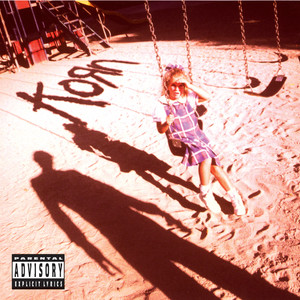
Korn
Korn
|
5 | 2.65 | +2.35 |
|
Deceit
This Heat
|
5 | 2.69 | +2.31 |
|
Up To Here
The Tragically Hip
|
5 | 2.99 | +2.01 |
|
Yeti
Amon Düül II
|
5 | 2.99 | +2.01 |
|
The Decline of British Sea Power
Sea Power
|
5 | 3.03 | +1.97 |
|
Diamond Jubilee
Cindy Lee
|
5 | 3.13 | +1.87 |
|
The Shape Of Punk To Come
Refused
|
5 | 3.13 | +1.87 |
|
Silent Shout
The Knife
|
5 | 3.17 | +1.83 |
|
Spirit of Eden
Talk Talk
|
5 | 3.29 | +1.71 |
|
Contra
Vampire Weekend
|
5 | 3.37 | +1.63 |
You Love Less Than Most
| Album | You | Global | Diff |
|---|---|---|---|
|
Marvin's Marvelous Mechanical Museum
Tally Hall
|
2 | 3.01 | -1.01 |
5-Star Albums (10)
View Album Wall
Popular Reviews
Album #24 (1001 challenge extended): "Norther" by Ex-Easter Island Head (2024) "Norther" is the sixth album by English experimental music band Ex-Easter Island Head. Minimalism, ambient and experimental are the Wiki-listed genres. It was the first appearance of Andrew PM Hunt as a permanent bandmember and he was also the producer and mixing engineer for the album. The album title is based the meteorological term for the cold wind from the north. The instrumental music incorporated both structural compositions and free-form elements. Besides Hunt, bandmembers included Benjamin D. Duvall, Benjamin Fair and Jonathan Hering. All members are credited with playing guitars, percussion, synthesizers and gadgets. The album received positive albums. "Weather" opens the album with a sound created by a cellphone recording of haptic motors running over guitars strings. Haptic motor equals a gadget. The song builds and gets louder with percussions and layered synths added. The song is a conceptualization of a weather system. The self-titled "Norther" used a recording of an actual norther on an aeolian harp. A bubbly danceable synth melody. Percussion and bells. A compelling song. "Magnetic Bridges" begins with a shimmering guitar strikes and ticking percussion. Then we get the sound of voices amplified through guitar pick-ups. Experimental indeed! This is an all instrumental album. Melodies created from unique sources as well as synths. There's layers of percussion but nothing is too busy. The minimalist descriptor is apt. There is a chill and ambient vibe. A good album to six back and relax. The album reminded me of Tortoise whom I am a fan. This is a very decent album and I recommend it for anyone who likes ambient or chill music. 3.5 out of 5
Album #10 (1001 challenge extended): "Reachin' (A New Refutation of Time and Space)" by Digable Planets (1993) "Reachin' (A New Refutation of Time and Space)" is the debut studio album by alternate hip hop group Digable Planets. Alternative hip hop and jazz rap are the Wiki-listed genres. The samples lean heavily on Ishmael "Butterfly" Butler's Dad's album collection. The album is also less overtly political than their subsequent album "Blowout Comb." Besides Butler, the bandmembers included Mariana "Ladybug Mecca" Viera and Craig "Noodlebug" Irving. Commercially, the album reached #15 in the US. It was also highly regarded critically. A Herbie Hancock-tribal beat sample and ainimal noises open "It's Good to Believe." Gentle hip hop beats. Quick rappin'. A good blend of sampling. A drum tick then into a beat starts "Where I'm From." The melody and beats from a KC & the Sunshie song. All rappers take turns at the mic. A celebration of hip hop culture and their NYC community. "Rebirth of Slick (Cool Like Dat)" combines samples of the Honeydrippers' beats, Art Blakely's horns and Fred Wesley's weird synth laser sounds. Butler and Viera alternate as lead rapper as they honor and celebrate jazz. Smooth and one of favorite early 90 hip hop songs. They go psychedelic in "Jimmi Diggin' Cats." People talking. A weird wavering sound. Viera repeating the song title as they imagine meeting Jimi Hendrix. Yes, a psychedelic vibe is necessary. On "Nickel Bags" they tribute well, yes, pot. A handclap beat and a flute Herbie Mann sample in a very interesting song. Chill, laid back, smooth rapping. The jazz samples carry the melody, hooks and beats. Yes, some psychedelia. The lyrics are mostly hopeful and a celebration but there is some social commentary in a pro-choice song. The sample selections are not over-the-top, blend well together and set the jazzy tone. Maybe lacking in some of the humor of rap albums at the time but this is a really good album and a solid recommendation. 4.5 out 5
Album #3 (1001 challenge extended): "Almoraima" by Paco de Lucia (1976) "Almoraima" is the tenth studio album by Spanish flamenco guitarist, composer and record producer Paco de Lucia. Flamenco and jazz are the Wiki-listed genres. The album is considered a landmark recording of flamenco, rethinking what constituted flamenco and incorporating bass, congas, the Moorish lute-like oud and rhumba rhythms. de Lucia plated guitar and the oud. Other musicians on the albums included Ramón de Algeciras (guitar), Alvaro Yebenes bass) and Pedro Ruy-Blas (percussion). The self-titled "Almoraima" opens the album with percussion and an aggressive Spanish guitar. It slows down. It speeds up. More percussion and handclaps. Just exquisite guitar. "El Cobre" speeds things up with a fast beat. Toe-tapping and handclapping beats. "A la Perla de Cadiz" adds a choir at the start and end. The guitar controls the pace with starts and stops. A rhumba beat underlies "Rio Ancho." A scooting pace. The guitar impressively goes up and down the scales. The focus of this album is the extraordinary guitar work of de Lucia. It gets layered with other guitar or the oud. The other musical instrumental are relatively sparse but there is chanting, a choir, a subdued bass and percussion. I am a flamenco music novice but the other flamenco I've heard seems to have been busier. Nonetheless, de Lucia's guitar work is fantastic making this a very enjoyable listen. A recommendation for any music fan. 4.5 out of 5
Album #11 (1001 challenge extended): "I Am" by Earth, Wind & Fire (1978) "I Am" is the ninth studio album by American band Earth, Wind & Fire. R&B, soul, funk and disco are the Wiki-listed genres. The band included Philip Bailey (vocals, congas, percussion), Maurice White (vocals, drums, kalimba, producer), Larry Dunn (piano, synthesizers), Johnny Graham (guitars), Al McKay (guitars), Verdine White (bass), Fred White (drums), Ralph Johnson (percussion) and Andrew Woolfolk (tenor saxophone). 50+ additional musicians also contributed. Commercially, the album reached #3 in the US and #5 in the UK and, critically, it had generally positive reviews specifically for its production and musicianship. "In the Stone" opens the album with drum beats, blaring horns carrying the melody and a Latin percussion. A groovy guitar and bass. White and Bailey on vocals. Strings in the background. Ah, true love. An uplifting smooth R&B pop song. "Can't Let Go" starts with horns again but is faster paced with a harder groove. There's horn breaks. The synth is featured in an interlude and solo. "After the Love is Gone" is a slower ballad with a piano and synth. It builds with fantastic Bailey-White harmonies. Various horn fills in a soft-loud-soft song. And that alto sax solo by Don Myrick near the end. The disco really gets going on the second side with "Boogie Wonderland." Horns charges with a funky bass. White with deeper vocals and the Emotions giving those female backing vocals. A string interlude. "Star" features a Moog synth and strings at the beginning. A funky groove kicks in and the Bailey falsetto. Harmonies, layers of music and horns giving a New Orleans jazzy vibe. Horn and piano-driven melodies with funky and at times disco rhythm section. Smooth, pop/R&B, ballads, funky and disco with elements of jazz occasionally. Flawless lead and backing vocals and harmonies by Bailey and White. Tremendous songcraft. This album really took me back to that late 70's period. Maybe not reaching some of their previous early to mid-70's album heights but still a solid album. And, it sounded quite good today. 3.5 out 5
All Ratings
Album #1 (1001 challenge extended): "St. Louis to Liverpool" by Chuck Berry(1964) "St. Louis to Liverpool" is the seventh studio album by American rock and roll musician Chuck Berry. Rock and roll is the sole Wiki-listed genre. The album was written and recorded after his release from prison and spending 20 months for interstate trafficking of women for prostitution: in his case, underage women. It was also written to capitalize on his popularity during the early 60's British Invasion. It was recorded in Chicago at the famous Chess Records. Chuck Berry was on vocals and guitars. His band included Matt "Guitar" Murphy (guitar), Johnnie Johnson (piano), Lafayette Leak (piano), Paul Williams (piano), Willie Dixon (bass), Odie Payne (drums), Fred Below (drums), Ebby Hardy (drums), Jasper Thomas (drums), Leroy C. Davis (tenor saxophone), James Robinson (tenor saxophone) and Louis Satterfield (bass). The album reached #124 on the US Pop Album Charts. Critic Dave Marsh called it one of the greatest rock and roll albums ever made. "Little Marie" opens the album with electric guitar and harmonization vocals. Berry's distinct bluesy with country-tinged electric guitar sound. A bouncy piano and rock and roll beat. Berry with subdued vocals describing his ex-wife calling him home to reunite with their six year old daughter and her. A guitar riff and piano rolls begin "No Particular Place to Go." The start-stop beat. Driving and fast guitar solos. "Promised Land" opens with a classic Berry riff. Upbeat with the piano killing it. Horns are added to "You Can Never Tell." The piano is upfront and carrying the melody. Even a piano solo. Berry's opening riff in "Bobby Soxer" is very similar to "Johnny B. Goode" And why not? Another ripping solo. He's encouraging a young teenage girl to dance. Berry's bluesy-edged and country-tinged guitar tone stands out on this album. On solos, riffs and fills. The backing band is outstanding. Short and upbeat rock and roll songs with a prominent piano and at times horns. Is it hard to listen to the content of these songs given Berry's background? Yeah, a little bit, but it is a classic sound and not all rock and roll stars are good or even likable people. But, I couldn't totally shake it. However, it a classic album of music that all rock fans should enjoy. 4.5 out 5
Album #2 (1001 challenge extended): "Crystal Castles" by Crystal Castles (2008) "Crystal Castles" is the debut studio album by Canadian electronic music duo Crystal Castles. Synth-punk, chiptune, noise and indie electronic are the Wiki-listed genres. The duo consisted of producer Ethan Kath and singer Alice Glass. The duo used electronic sounds with a circuit-bent Atari 5200. Commercially, the album reached #47 in the UK and #3 on the US Billboard Heatseekers Album Chart. It also received generally favorable reviews. "Untrust Us" opens the album. A bouncy and melodic synth. A synth beat. Glass' vocals up and down the scales. Hmmmm, interesting. The first-released single "Crimewave" has a dance beat and synth bass. Echoing and robotic vocals. Hypnotic. A melodic synth break. A loud and heavy drum ending. "Vanished" goes dreamy with the synth melodies. Kath on vocals with Glass. Laser sounds. Start/stop beats. More pop like. The album closes with "Reckless.". A oscillating synth melody. A club-like beat; it sounds like an 80's Ministry song. Layered synths. Well, this was unique. Heavy synths being melodic, noisy and video-game like. That Atari 5200 is ringing true. Weird idiosyncratic beats. The music can be described as dance, experimental, dance-pop, punk and techno. The tone seems to change between techno-adult and video game-dance kid-like. Glass' vocals can be straight-forward, screaming or distorted. This album kept my attention with its changing styles even though it was annoying at times. Short songs kept the annoying aspect low on those specific albums. Overall, an album I'd recommend for any electronic music fan. 3.5 out of 5
Album #3 (1001 challenge extended): "Almoraima" by Paco de Lucia (1976) "Almoraima" is the tenth studio album by Spanish flamenco guitarist, composer and record producer Paco de Lucia. Flamenco and jazz are the Wiki-listed genres. The album is considered a landmark recording of flamenco, rethinking what constituted flamenco and incorporating bass, congas, the Moorish lute-like oud and rhumba rhythms. de Lucia plated guitar and the oud. Other musicians on the albums included Ramón de Algeciras (guitar), Alvaro Yebenes bass) and Pedro Ruy-Blas (percussion). The self-titled "Almoraima" opens the album with percussion and an aggressive Spanish guitar. It slows down. It speeds up. More percussion and handclaps. Just exquisite guitar. "El Cobre" speeds things up with a fast beat. Toe-tapping and handclapping beats. "A la Perla de Cadiz" adds a choir at the start and end. The guitar controls the pace with starts and stops. A rhumba beat underlies "Rio Ancho." A scooting pace. The guitar impressively goes up and down the scales. The focus of this album is the extraordinary guitar work of de Lucia. It gets layered with other guitar or the oud. The other musical instrumental are relatively sparse but there is chanting, a choir, a subdued bass and percussion. I am a flamenco music novice but the other flamenco I've heard seems to have been busier. Nonetheless, de Lucia's guitar work is fantastic making this a very enjoyable listen. A recommendation for any music fan. 4.5 out of 5
Album #4 (1001 challenge extended): "Diamond Jubilee" by Cindy Lee (2024) "Diamond Jubilee" is the seventh studio album (and a triple vinyl album at that) by Canadian band Cindy Lee, a project of Patrick Flegel. Hypnagogic pop (evokes cultural memory and nostalgia), psychedelic pop, indie pop, brill building (girl group music from the 1960's), slacker rock, noise pop and lo-fi. There's a few new ones. The album was originally released in full on YouTube. The band included Patrick Flegel (performance, engineering, production), Steven Lind (guitar, bass, drums, synthesizer strings, claps, engineering, production, mixing) and Joshua Stevenson (mastering). The album had wide-spread critical acclaim. A slow guitar which eventually gets louder opens the self-titled "Diamond Jubilee." Fingers snapping, synth strings. Drums come in midway through. Dreamy feminine vocals. A 60's psychedelic vibe. "Baby Blue" continues the 60's retro sound with a spy-like guitar. Layered harmonized vocals as they're trying to get someone's attention. This is very Velvet Underground. "Flesh and Blood" layers guitar strikes with a ringing-David Bowie "Heroes"-era guitar. A 70's sounding rock beat and bass. Feminine and masculine vocals. The pace picks up and the song ends with a distorted guitar. "Dracula" gets a soulful groove going with the guitar melody and beat. A high-pitched guitar melody overlayed with a synth. Echoing feminine vocals. An interesting 70's synth break. The music matches the lyrical themes of isolation. We hear that spy-like guitar again in "Lockstepp." An ominous-sounding synth. A weird drum ticking. Great mood-capturing music. "If You Hear Me Crying" has a handclap rock beat. A piercing guitar solo. Dreamy feminine-masculine vocals. The song gets louder with dueling guitar solos at the end. "Exclaim!" magazine's Kaelen Bell nailed the album's music description as "Built on strains of 50's girl group pop, lush 60's psychedelia, itchy 70's radio rock, lo-fi 90's clutter and sparkling production choices grafted on from some alternate universe." I love the use of the grafted here since that's exactly what is done. There's a song with a chunky garage rock style guitar and a dreamy synth. And it works. There's pyschedelic, fuzztone and spy-like guitars and retro elements including garage, 70's soul/pop, bluesy beat, the Velvet Underground, post-punk and movie-score like. The vocals are feminine and masculine, dreamy and buried. Yes, the album is long at 202 minutes but you can literally start and stop at any point and enjoy this album. So much to like here. Surely one of the best albums of the 2020's and a very high recommendation. 5 out of 5
Album #5 (1001 challenge extended): "A Brief Inquiry into Online Relationships" by the 1975 (2018) "A Brief Inquiry into Online Relationships" is the third studio album by English band the 1975. Experimental, electronic, rock and pop are the Wiki-listed genres. Well, that covers everything. The album was intended as a follow-up to their previous album "I Like It When You Sleep, For Your Are So Beautiful Yet so Unaware of It." The album is considered a concept album questioning society's relationship with technology and its constraints on millennials and also a portrayal of lead singer Matthew Healy's heroin addiction. In addition, the recording of the album had to be halted for Healy to get treatment for his addiction. The bandmembers included Healy (vocals, piano, guitars, keyboards, drums), Adam Hann (guitar), Ross MacDonald (bass) and George Daniel (programing, synthesizers, keyboards, percussion, piano, backing vocals). Over 50 additional musicians were also used. Commercially, the album hit #1 in the UK and reached #4 on the US Billboard 200. The album had wide-spread critical acclaim especially for its production and portrayal of modern life. After the mostly instrumental self-titled "The 1975," "Give Yourself a Try" opens with a distorted synth/guitar and a fast-ticking drum. Healy with high-pitched vocals encouraging people and himself to recognize themselves. This sounds a lot like the Postal Service and that's not a bad thing. "TooTimeTooTimeTooTime" continues with the synth focus and is slightly lighter. An electronic beat and more poppy. Upbeat music juxtaposed with Healy's darker lyrics of paranoia and insecurity in a modern relationship fueled by social media. Bubbly strings sounds which eventually gets louder begin "Love It If We Made It." Healy's rapid-fire vocals through a vocoder running through and hopefully surviving various societal failures. Who thought Dylan might been have an inspiration. A dreamy, flowing synth. Horns added in the middle eight. Back to bubbly strings. This is a great song. "Sincerity is Scary" fuses electronic jazzy drums, a wobbly synth and a piano to give an R&B-jazzy pop song. A song that builds with the large London Gospel Choir on backing vocals. The last released single "It's Not Living (If It's Not With You)" opens with a power pop guitar. Synths, an electronic beat, very poppy. Female backing vocals. Another happy-sounding song with darker lyrics as Healy sings about his drug addiction. I'm always a sucker for musical and lyrical dichotomy. The music is largely synth-driven pop with electronic beats but there are elements of jazz, R&B, experimental, gospel, power ballads and post punk. There is a nice style change of pace between songs. The vocals can be clear and straightforward, rapid-fire or distorted through a vocoder. The lyrical focus is information overload in modern society mixed with Healy's struggles with drugs, anxieties and fears. At times the songs can be a little too poppy and the vocoder can really annoy me but the production details, overall experimental edge, lyrics and a few extremely strong songs won me over. A solid recommendation. 4.5 out of 5
"Yellow & Green" is the third studio album (and a double one at that) by American heavy metal band Baroness. The Wiki-listed genres are progressive metal, indie rock and sludge metal. It was the only Baroness' album performed as a trio with the departure of bassist Summer Welch and the last album with drummer Allen Blickle who left after a 2012 tour bus accident in England. The bandmembers included John Dyer Baizley (lead vocals, rhythm guitar, bass), Pete Adams (lead guitar, backing vocals) and Allen Blickle (drums, percussion). Commercially, the album reached #30 on the US Billboard and #85 on the UK charts and was critically well received. The first album is called "Yellow" and opens with the echoing, psychedelic guitar instrumental "Yellow Theme." Next comes a harder edged guitar and rock beat in "Take My Bones Away." Baizley with clear rock vocals, not the distorted, guttural vocals heard in a lot in the modern heavy metal genre as he sings about addiction and a toxic relationship. Driving, echoing guitars with underlying keys. This sounds a lot like early Queens of the Stone Age, not a bad thing at all. "March to the Sea" is slower with a melodic guitar. The song then goes heavy with the drums and pounding bass. Then comes a bigger sound with a layered melodic sound. Very anthemic. High-pitched guitar notes begin "Cocanium." An underlying organ and prominent bass. There's a Pink Floyd-esque guitar sound. I think we all know what this is about. The "Yellow" album closer "Evla" takes us on a ride. Acoustic guitar strumming and buried, melancholic lead vocals. A dreamy guitar. It's a song that builds with a weird wah-wah echoing guitar solo. Distorted guitar takes the song through the outro. The "Green" album opens with another instrumental. A bigger sound reminding one of Queen. "Board Up the House" is another song about addiction. Loud echoing guitars and drums and harmonized vocals. An echoing melody with a 70's rock sound. In "Psalms Alive," they actually get a groove going with bass and drums which are very idiosyncratic at that. Continued melodic. The guitar recalls vintage indie bands of the 80's. These guys keep surprising me. Melodic, anthemic, big, trippy, prog and psychedelic. These are not typically descriptors of the music of a band classified as heavy metal. And that's true, this is not typical traditional or even modern heavy metal. Their sound recalled Queens of the Stone Age, Pink Floyd, the Flea-like late 90's bass, Queen, Incubus and Soundgarden. The guitar is in the minor key a lot, a la 80's indie rock. There's plenty of changes of beats. Baizley has a great, clear singing voice; he doesn't need distortion or to go guttural. Plenty here to like. A high recommendation for anyone who likes rock music. Any one of their first five albums are worth a listen. 4.5 out of 5
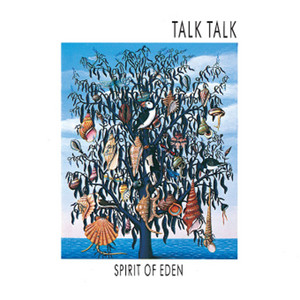
Album #7 (1001 challenge extended): "Spirit of Eden" by Talk Talk (1988) "Spirit of Eden" is the fourth studio album by English band Talk Talk. Post-rock, art rock, experimental rock, ambient and new wave are the Wiki-listed genres. The album was a radical departure from their earlier synth-pop and had a lengthy recording process where there were hours of improvised performances that drew on elements of jazz, ambient, classical music, blues and dub, was heavily edited and then re-arranged into an album. The songs were written by singer Mark Hollis and producer Tom Friese-Greene and the bandmembers included Hollis (vocals, guitar, organ, melodica, piano and varriophon), Lee Harris (drums) and Paul Webb (bass). 15 other musicians also contributed. Commercially, the album was a disappointment reaching #19 in the UK and, critically, it had a mixed reception but grew in stature and is now considered an underrated masterpiece. It is also credited with pioneering the post-rock genre. "The Rainbow" starts the album with soft strings and stark guitar notes. Yes, very post-rock. A howling bluesy harmonica and a slow beat come in next. Hollis with subdued vocals. A piano too. Shakers and a glimmering synth gives an air of hopefulness. The song alternates between the subdued and hopeful. Another quiet start with "Eden" with guitar distortion. The song is more melodic with piano. Longing vocals and a tom-tom drumbeat. The song gets louder with various electric guitars and ends with guitar distortion. "Desire" opens with synths and gets louder with a ringing bluesy guitar and hard drums. They get that soft-loud-soft dynamic going. Echoing vocals and what ends up being the hardest rockin' song on the album. Slow drum ticks open the only released single "I Believe in You." Emotional vocals and a dreamy guitar. A synth melody and an underlying organ. This song had to be an influence for Radiohead. Sparse guitar notes in what would be called post-rock, minimal drums, a piano, an organ, a synth and even a harmonica in a few songs. Both subdued and loud in almost every song. The vocals and lyrics can be emotional, loud, soft, obscure and spiritual. The music style is almost irrelevant as it blends ambient, hard rock, blues and experimental. The improvisational recording and editing into songs are evident with the pace and instrumental changes within each song. It is uncommon to hear music where the artist is pretty much unconcerned with the audience and only playing and creating for himself. It is also uncommon where the music achieves this level of beauty. This is a great album and a very high recommendation. 5 out 5
Album #8 (1001 challenge extended): "Alive or Just Breathing" by Killswitch Engage (2002) "Alive or Just Breathing" is the second studio album by American metalcore band Killswitch Engage. Melodic metal core is the sole Wiki-listed genre. It was their first album on a major label, Roadrunner, and was produced by their drummer Adam Dutkiewicz. Bandmembers included Jesse Leach (lead vocals), Joel Stroetzel (guitars), Mike D'Antonio (bass) and Dutkiewicz (drummer, piano, guitars, backing vocals). Commercially, the album reached #37 on the US Billboard Heatseekers Chart and #122 on the UK Albums Chart. The album was well received and is considered a landmark recording in the metalcore genre. Tinny pounding drums open the album in "Numbered Days." Leach screaming, talking and singing. A metallic pulse. Melodic guitar riffs. Then bam! The band goes into thrash mode and settles there for the rest of the song. A metallic guitar riff begins the first single "Self Revelation." Fast drums and here it is, guttural vocals. Then back to melodic singing. Screeching guitar fills in with mostly a thrash metal style. An ominous guitar riff and thunderous drums usher in "Fixation on the Darkness." Screaming vocals very Al Jourgensen like. In fact, the music sounds a lot like very late 80's Ministry...not a bad thing in my world. We get a back and forth between the melodic and thrash. "The Last Serenade starts softly before it kicks in with the metallic guitar riff and heavy vocals. The melodic voice singing the title in the chorus with guttural vocals angrily screaming whatever he is screaming. An athematic guitar, believe it or not, highlights "The Element of One" with an underlying metallic riff and beat. The singing voice asking questions while the screaming voice answers him. The music on this album goes back forth between thrash and actual melodies. It's the same with the vocals and melodic singing, screaming/death growls and guttural vocals. Metallic down-tuned guitar riffs and venturing into thrash. The singing voice seems to offer hope while the screaming/guttural vocals portray his inner chaos and struggles. The music and vocal changes kept these songs fairly interesting. If it didn't it would have gotten very repetitive for me. This music is not exactly in my musical wheelbase but something I entirely dislike and the songs mentioned are all pretty good. If you're a Slipnot, Bullet for My Valentine, Ministry or metal fan, there's plenty here to sink your teeth into. The rest of you, stay away. 3.5 out of 5
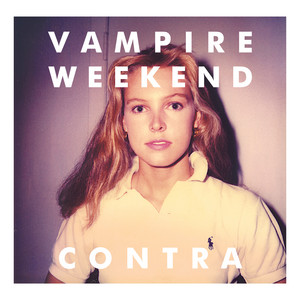
Album #9 (1001 challenge extended): "Contra" by Vampire Weekend (2010) "Contra" is the second studio album by American rock band Vampire Weekend. The Wiki-listed genres are indie pop, world beat and synth-pop. The use of "contra" is for the meaning of opposite specifically rejecting the idea of rock musicians as poor, underprivileged rebels and also prejudices against affluence and wealth in music. Ah, defending their Columbia education. The bandmembers included Ezra Koenig (lead vocals, guitar, keyboards, piano, programming), Rostam Batmanglij (piano, backing vocals, keyboards, harpsichord, drums, synthesizers, sampler, production), Christopher Tomson (drums) and Christopher Baio (bass, backing vocals, synthesizers). Commercially, the album reached #1 in both the US and UK and had significant critical acclaim. "Horchata" opens the album. Koenig with clear, loud vocals. Latin percussion beats and marimbas. Strings, harmonized vocals and a Casio creating a flute-like melody. A reflection on the passage of time. "White Sky" has an electronic beats, claps and a shimmering synth melody. Koenig yodeling. Various backing vocal chants. He's exploring NYC. They bring a ska beat to "Holiday." A scooting guitar and synth melody. A celebration of summer freedom and maybe a deeper meaning on the cost of that freedom. A galloping synth and beat open "Run." A glorious blaring synth harmony. "Cousins" opens with a strumming guitar. Rapid-fire drums and a break. Koenig also with rapid-fire vocals. A rattling sound, bells and they go up and down the guitar scale. "Giving Up the Gun" is a synth-pop gem. Handclaps beats and a shimmering synth. A bell anchoring the rhythm. Bell taps and an underlying synth. You have to disarm your identities of youth as you get older. Latin beats, ska beats, handclaps, world music melodies. marimbas, sampler, piano, synth and strings. Various singing styles and backing vocals. Lots and lots of little musical details by Rotsam's production. And all this adds up with very catchy songs. This is a high level album. I'd say their best although it's neck and neck with their next album "Modern Vampires of the City." A strong recommendation. 5 out of 5
Album #10 (1001 challenge extended): "Reachin' (A New Refutation of Time and Space)" by Digable Planets (1993) "Reachin' (A New Refutation of Time and Space)" is the debut studio album by alternate hip hop group Digable Planets. Alternative hip hop and jazz rap are the Wiki-listed genres. The samples lean heavily on Ishmael "Butterfly" Butler's Dad's album collection. The album is also less overtly political than their subsequent album "Blowout Comb." Besides Butler, the bandmembers included Mariana "Ladybug Mecca" Viera and Craig "Noodlebug" Irving. Commercially, the album reached #15 in the US. It was also highly regarded critically. A Herbie Hancock-tribal beat sample and ainimal noises open "It's Good to Believe." Gentle hip hop beats. Quick rappin'. A good blend of sampling. A drum tick then into a beat starts "Where I'm From." The melody and beats from a KC & the Sunshie song. All rappers take turns at the mic. A celebration of hip hop culture and their NYC community. "Rebirth of Slick (Cool Like Dat)" combines samples of the Honeydrippers' beats, Art Blakely's horns and Fred Wesley's weird synth laser sounds. Butler and Viera alternate as lead rapper as they honor and celebrate jazz. Smooth and one of favorite early 90 hip hop songs. They go psychedelic in "Jimmi Diggin' Cats." People talking. A weird wavering sound. Viera repeating the song title as they imagine meeting Jimi Hendrix. Yes, a psychedelic vibe is necessary. On "Nickel Bags" they tribute well, yes, pot. A handclap beat and a flute Herbie Mann sample in a very interesting song. Chill, laid back, smooth rapping. The jazz samples carry the melody, hooks and beats. Yes, some psychedelia. The lyrics are mostly hopeful and a celebration but there is some social commentary in a pro-choice song. The sample selections are not over-the-top, blend well together and set the jazzy tone. Maybe lacking in some of the humor of rap albums at the time but this is a really good album and a solid recommendation. 4.5 out 5
Album #11 (1001 challenge extended): "I Am" by Earth, Wind & Fire (1978) "I Am" is the ninth studio album by American band Earth, Wind & Fire. R&B, soul, funk and disco are the Wiki-listed genres. The band included Philip Bailey (vocals, congas, percussion), Maurice White (vocals, drums, kalimba, producer), Larry Dunn (piano, synthesizers), Johnny Graham (guitars), Al McKay (guitars), Verdine White (bass), Fred White (drums), Ralph Johnson (percussion) and Andrew Woolfolk (tenor saxophone). 50+ additional musicians also contributed. Commercially, the album reached #3 in the US and #5 in the UK and, critically, it had generally positive reviews specifically for its production and musicianship. "In the Stone" opens the album with drum beats, blaring horns carrying the melody and a Latin percussion. A groovy guitar and bass. White and Bailey on vocals. Strings in the background. Ah, true love. An uplifting smooth R&B pop song. "Can't Let Go" starts with horns again but is faster paced with a harder groove. There's horn breaks. The synth is featured in an interlude and solo. "After the Love is Gone" is a slower ballad with a piano and synth. It builds with fantastic Bailey-White harmonies. Various horn fills in a soft-loud-soft song. And that alto sax solo by Don Myrick near the end. The disco really gets going on the second side with "Boogie Wonderland." Horns charges with a funky bass. White with deeper vocals and the Emotions giving those female backing vocals. A string interlude. "Star" features a Moog synth and strings at the beginning. A funky groove kicks in and the Bailey falsetto. Harmonies, layers of music and horns giving a New Orleans jazzy vibe. Horn and piano-driven melodies with funky and at times disco rhythm section. Smooth, pop/R&B, ballads, funky and disco with elements of jazz occasionally. Flawless lead and backing vocals and harmonies by Bailey and White. Tremendous songcraft. This album really took me back to that late 70's period. Maybe not reaching some of their previous early to mid-70's album heights but still a solid album. And, it sounded quite good today. 3.5 out 5
Album #12 (1001 challenge extended): "30 Something" by Carter the Unstoppable Machine (1991) "30 Something" is the second album by English indie rock band Carter the Unstoppable Machine. Alternative dance, grebo and punk are the Wiki-listed genres. The album was recorded in 20 days on 8-track costing 4,000 pounds and was heavy on puns and sampling. The band is Jim "Jim Bob" Morrison (performer) and Les "fruitbat" Carter (performer). The album was produced by the band and Simon Painter. Commercially, the album reached #8 in the UK and, critically, had very positive reviews. "Surfin' USM" opens the album with dialogue from the "Red Dwarf" TV show. Chanting, pulsating, wavering electronic beats and a hard guitar riff. Mostly instrumental including vocal samples from Bowie's "Suffragette City." The first single released was "Anytime Anyplace Anywhere." Strings and guys chanting in a bar setting. A dance beat, a bass synth and ringing guitars. The vocals start out whispering and progress to yelling in a song about hedonism. "Shoppers' Paradise" comes out with a charging beat, horn synths and a vocal sample of the Clash's "Kola-Kola." More ringing guitar and a horn-synth melody in a song that settles into an electronic beat. This is sort of an electronic version of the Clash. The horn synths are used again in "Bloodsport for All." A slashing guitar and a drum beat sounding the Call's "I Still Believe." Jim Bob's snarling vocals taking aim at the military bullying and racist culture. Most of these songs have a big sound with electronic beats, synths and loud ringing guitars. The music sort of fuses punk with the guitars, electronic beats, pop and 80's synth-pop sometimes bordering on videogame music. The vocals/lyrics can be acerbic, political and satirical. Overall, I found this album entertaining and recommend it for that reason, if at times the music especially the synths sounded dated. 3.5 out of 5
Album #13 (1001 challenge extended): "Dimanche à Bamako" by Amadou & Mariam (2005) "Dimanche à Bamako" is the fourth album by Malian duo (and married couple) Amadou & Mariam. African blues and Afrobeat are the Wiki-listed genres. The album was produced by French-Spanish musician Manu Chao who also played guitar and was on vocals.. Amadou (Bagayoko) played guitar and was on vocals and his wife, Mariam (Doumbia) was on vocals. The album featured Ivorian reggae star Tiken Jah Fakoly on vocals and Italian ska/jazz trumpeter Ray Paci. 17 additional musicians and vocalists contribute to the album as well. Commercially, the album peaked at #2 on the French Albums Chart and, critically, it won the BBC award for World Music Best Album in 2006. "M'Bifé" opens the album with an acoustic guitar. A ticking percussion. Mariam on lead vocals and a chorus of deep male and female vocals. An overall soulful vibe. Multiple people take over lead vocals on "La Réalité" which also gets a groove going with a wavering keyboard sound. The percussion has reggae and World beats. The guitar is more in the African blues style and very Carlos Santana-esque. The first released single was "Sénégal Fast Food." More of the African blues guitar and deeper into the reggae beat. A harmonica adds to the bluesy feel. Sounds of kids playing begin "Beaux Dimanches." Horns, a pronounce percussion and a snaky-sounding guitar. A chorus is essentially the lead vocalists. Horn fills throughout the song give this a Middle Eastern feel. A piano carries the melody in "Politic Amagni." A strumming acoustic guitar and a gentle rock beat. There's more of a serious tone with dual lead singers and nice harmonization. Acoustic string instruments, a mostly African bluesy electric guitar, horns, keys and piano can carry the melody. Multiple percussion instruments giving African and reggae beats. Multiple lead vocalists, chanting, choruses, harmonization and layered vocals. Excellent production by Chao doesn't let this album really settle into any one distinct style. The vibe is celebratory, serious and melancholic. The lyrics are in French and Bambara and researching the meaning of these songs they delve into the personal (love, love lost, devotion), political (migration, abuse) and a celebration rural life and shared heritage. The music fits perfectly. This is a really good album and reminded me of the recent fellow Malian Ali Farka Toure album I had. A strong recommendation for everyone. 4 out of 5
Album #14 (1001 challenge extended): "Music" by 311 (1993) "Music" is the debut studio album by American rock band 311. Rap metal is the sole Wiki-listed genre. Oh, boy. The album was produced by Eddy Offord and the bandmembers included Nick Hexum (vocals, guitar, percussion), SA Martinez (vocals), Chad Sexton (drums, percussion), Tim Mahoney (guitar) and Aaron Wills (bass). Commercially, the album reached #37 on the US Billboard Heatseekers Chart and, critically, it had mixed reviews. "Welcome" opens with a reggae/ska beat and guitar. Chill to start until a heavy guitar riff comes in. Hexum and Martinez co-lead singers/rappers. Hmmm, a fusion of hip hop, metal and reggae. The beats and guitar riffs get louder in "Freak Out." Co-lead vocals again, rappin', singin', and bouncin' off each other. Handclaps almost give this a danceable beat. The guitar goes grungy and toned-down in "Visit." Similar vocal approaches but they harmonized the chorus which actually establishes a nice melody. Pounding drums, more heavy metal guitar riffs and rapping in "Hydroponic." The rapping is almost dreamy and pyschedelic and it should given the theme of connecting with Mother Earth via some hydroponic residents. "My Stoney Baby" is the first song where the rhythm section shows some funk. What took them so long? Also, a scratchy bluesy guitar. A melodic guitar solo. Probably my favorite song on the album. I have to admit; this it's my first venture into a 311 album. Their music is a fusion of heavy metal and rock guitar riffs with ska/reggae, funk and rock beats. The co-lead vocals swing between rapping and singing. The music follows suit switching between the reggae/funk and harder edge with the guitar riffs. That's why, besides a few songs, that I both liked and disliked most of these songs. These guys can play though and they show a lot of energy. There's similarities with early Red Hot Chili Peppers, Rage Against the Machine and the God-awful nu metal. So, if you're a fan of any one of those comps then you'll probably find something here to like. Otherwise, stay away. 2.5 out of 5
Album #15 (1001 challenge extended): "Stage Four" by Touché Amoré (2016) "Stage Four" is the fourth studio album by American post-hardcore band Touché Amoré. Post-hardcore, melodic hardcore and screamo are the Wiki-listed genres. The title is a reference to the band's fourth album and the lyrics focus on bandmember Jeremy Bolm's Mother who died of cancer. The bandmembers included Elliot Babin (drums, piano), Jeremy Bolm (vocals), Tyler Kirby (bass, vocals), Nick Steinhard (guitar) and Clayton Stephens (guitar). Commercially, the reached #168 on the Billboard 200 and, critically, it had favorable reviews. Drum ticks and a melodic guitar kicks open the album in "Flower and You." The band kicks into hardcore punk mode and Bolm's vocals are in emotional scream mode. The music slows down and speeds up. Ah, hardcore emo. The guitars are layered in the last-released single "Rapture." More of a rock beat. And more of the emotional scream vocals and the soft-loud-soft. Bolm is struggling to find meaning of his Mother's death in "Displacement." Rolling drums which turn fast. The guitars do a good job building the emotion. The first-released single "Palm Dreams" doesn't mess around and goes straight to the punk hardcore beat. The band adds a vocal chorus as well. "Skyscraper" begins with guitar strums and a melodic bass. The guitars go dreamy. The vocals do as well as Julien Baker joins a vocal chorus. Bolm intertwines the beauty and complexity of looking at the skyline with his grief. My favorite song on the album. The music is anchored by hardcore and rock beats and layered guitars in two-to-four-minutes long songs. Bolm's vocals are mostly scream reminding me of Fugazi. His lyrics are personal and emotional almost exclusively dealing with his grief on his Mother's death. The guitars do a good job supporting the emotions. Another good band comp is Fucked Up. Overall, I quite liked this album for its solid musicality and emotional depth; it overwhelmed the screamo vocals that can annoy me. So, if you're a fan of punk or pop punk, there's something here you'll probably enjoy. 4 out of 5
Album #16 (1001 challenge extended): "Grace and Danger" by John Martyn (1980) "Grace and Danger" is the eighth studio album by British singer-songwriter and guitarist John Martyn. Folk rock, folk jazz, jazz-rock, blue-eyed soul and reggae rock are the Wiki-listed genres. The album was written and recorded while Martyn was in the process of divorcing his wife Beverly. Phil Collins played drums and sang backing vocals and was going through a similar painful divorce which was reflected in his solo album at the time, "Face Value." I wonder if that's on the 1,001 extended? Island Records delayed the release of the album for a year since label owner Chris Blackwell found the album too depressing. Besides Collins, other backing bandmembers included Tommy Eyre (keyboards, synthesizers), John Giblin (bass) and Dave Lawson (synthesizers). The album had favorable reviews. The album opens with "Some People Are Crazy." Bass, keys, a wavering guitar and slow beats. Martyn with soft vocals that turn emotional as he struggles with the meaning of love. Dreamy folk best describe this. Martyn covers the Slickers' "Johnny Too Bad" from the 1972 film "The Harder They Come." More of a reggae beat and a funky bass. A wah-wah distorted rhythm guitar and a guitar solo. Martyn almost scatting. "Sweet Little Mystery" has soft beats and vocals. Keyboards strikes and a synth melody. Here's the blue-eyed soul. Female backing vocals while Martyn singing and repeating the sing's title. The synth is featured again in the next song "Hurt in Your Heart." Slow drum ticks. Jazzy guitar fills. Emotionally wrought vocals. The song's title says everything. Dreamy folk, aspects of late 70's country rock and soft rock, moments of jazzy drums and guitar and reggae are all the musical styles heard in the fist four songs. The second side slows things down quite a bit. The vocals and lyrics are emotional and the overall tone is quite subdued. Overall, this had very much a late 70's soft rock vibe. Bordering on yacht rock? Not quite but not too far away. I do like his other two albums on the challenge, "Solid Air" and "One World" more but this is a decent album...maybe not quite reaching their heights but definitely worthy of listen. 3.5 out of 5
Album #17 (1001 challenge extended): "Breakfast in America" by Supertramp (1979) "Breakfast in America" is the sixth studio by British rock band Supertramp. Progressive pop, art rock and soft rock are the Wiki-listed genres. Bandmembers Rick Davies and Roger Hodgson wrote songs separately but conceived the album theme jointly. They had originally conceived an album concept about their relationship and conflicting ideals but scrapped that idea in favor of "fun" songs. The album was produced by Peter Henderson and the band. The bandmembers included Rick Davies (vocals, keyboards clavinet), Roger Hodgson (vocals, keyboards, keyboards), John Helliwell (woodwinds, backing vocals), Dougie Thomson (bass) and Bob Siebenberg (drums). Commercially, the album reached #1 in the US and #3 in the UK and it had mostly positive reviews. The album opens with "Gone Hollywood." An acoustic guitar start which gets louder with a piano melody. Both Davies and Hodgson on vocals in sort of a call and response style telling the story of person who moves to LA, struggles and eventually makes it. Big production with the horns and overall anxiety-ridden vibe. Castanet rattles and piano keys begin "The Logical Song." Hodgson with personal lyrics about growing up. Guitar hooks in a song that builds. Woodblocks, cowbells and a siren whistle are also thrown in. Davies over the lead vocals in "Goodbye Stranger." I always remember the falsetto vocal chorus. A more subdued start but the music picks up along with vocals. A guitar solo outro too. Ansty piano key strikes begin "Breakfast in America." There's mention of girlfriends, kippers and Texas. A whimsical song with the multiple horns and percussion. A bluesy harmonica starts "Take the Long Way Home." Piano and strings in very much a melancholic song. A very good deeper cut is the closer "Child of Vision." A pumping, wavering synth. More of the call and response lyrics/vocals by Hodgson and Davies and a critique on materialism. A dreamy chorus in one of the better songs on the album. These songs are driven by piano, synths and horns. Guitar and horn solos. Davies and Hodgson switch and combine on lead vocals and offer a good contrast. There can be a whimsical, melancholic or nostalgic vibe. Sometimes, there's over production. This was a massive album and I remember buying it at the time. I don't remember playing too much since. I do find this music fairly unique and can't really think of anything it influenced afterwards. I'm also very much surprised it was not in the original 1,001. Overall, this album contains some really good songs (those previously mentioned) which have aged relatively well and for that I recommend going back to this album for a listen. 4 out of 5
Album #18 (1001 challenge extended): "Telefone" by Noname (2016) "Telefone" is debut mixtape by American Noname (Fatimah Nyeema Warner). Hip hop, jazz rap, conscious hip hop and neo soul are the Wiki-listed genres. The album features guest appearances from Saba, Ravens Lenae, Raury and Smino and was produced by Cam O'bi, Saba and Monte Booker. The album was met with universal acclaim. "Yesterday" opens the album. A wobbly synth melody, drumbeat rolls and a jazz lounge piano. A dreamy throwback (retro) chorus. Noname rappin' reflecting on grief and memories. "Diddy Bop" features Raury and Cam O'bi with a more chill beat. A drippy keyboard melody and looping backing vocals. "Reality Check" heads into the neo soul area. Non-members is rappin' and singing sounding a lot like Lauryn Hill. Video game sounds, a shimmering synth and a prominent bass. More dreamy backing vocals this time featuring Eryn Allen Kane and Akenya. "Casket Pretty" tackles gun violence and police brutality in Black communities. Random percussion, a jazzy piano, string synths and sounds of children. The album closes with "Shadow Man." This song wanders into a few different styles. Handclaps, a soulful chorus with Saba, Smino and Phoelix and a jazzy piano and organ. The dreamy vibe is back again. Chill, jazzy, soulful and lyrics dealing with themes of nostalgia, positivity and some social commentary. There's jazzy pianos, soulful organs, glossy synths, and hip hop, R&B and handclap beats. Noname raps and sings with harmony and doo-wop backing vocals by featured guests. The music and vocals reminded me of Lauryn Hill and Chance the Rapper and that's a good thing. This is a really good album and a definite recommendation. 4.5 out of 5
Album #19 (1001 challenge extended): "All Hail West Texas" by the Mountain Goats (2002) "All Hail West Texas" is the sixth studio album by American indie folk band the Mountain Goats. Lo-fi is the sole Wiki-listed genre. It was the last album to only feature acoustic guitarist and lead vocalist John Darnielle and also to be recorded with his Panasonic RT500 boombox until 2020's "Song for Pierre Chuvin." The album was critically well-received. "The Best Ever Death Metal Band in Denton" opens the album. Acoustic guitar strumming and Darnielle singing/talking; that's all but one the 14 songs. Maybe the first and only heartfelt song about a death metal band (that I've heard) and really a song about rebellion. "Hail Satan!" The next song "Fall of the Star High School Running Back" is a little more melodic. A tale of a former high school star athlete whose injury leads him to sell drugs. In "Jenny," Darnielle is hot after a girl who rides a motorcycle. Darnielle falls in love but never feels totally comfortable in "Riches and Wonders." Lo-fi drums, an antiquated keyboard and a drone sound change the pace in "Blues in Dallas." A song about darkness which is pervaded by the music. Lo-fi indeed! A strumming melodic acoustic guitar and Darnielle's nasally vocals. Heartfelt lyrics and stories. Tales of down-and-out high school kids and others and struggles with feeling comfortable in relationships. It's unknown it these stories are autobiographical, semi-autobiographical or fictional...probably all three. The D.I.Y. ethos reminds me of Guided by Voices and Neutral Milk Hotel as does the music somewhat. I enjoy the Mountain Goat's music to some extent but realize this is not for everyone. So, if you're a fan of the previously-mentioned bands or lo-fi folk music fan, this is something you'll probably enjoy. 3.5 out of 5
Album #20 (1001 challenge extended): "Tomorrow Belongs to Me" by the Sensational Alex Harvey Band (1975) "Tomorrow Belongs to Me" is the fourth studio album by Scottish rock band the Sensational Alex Harvey Band. Hard rock is the sole Wiki-listed genre. Not much effort there from the Wiki page. The album cover by Dave Field was a parody of Roger Dean's art for groups such as Yes and depicts degradation of the environment by earthmoving equipment. No A-side singles were released but several songs were later released on B-sides. The bandmembers included Alex Harvey (lead vocals, guitar, harmonica), Zal Cleminson (guitar, backing vocals), Chris Glen (bass, backing vocals), Hugh McKenna (keyboards, synthesizers, backing vocals) and Ted McKenna (drums, percussion, backing vocals). Commercially, the album reached #9 on the UK Charts which was their only album to make the UK top ten and, critically, it had positive reviews. "Action Strasse" opens the album with a distorted guitar and muffled vocals. Harvey singing about taking a walk in some gritty nightlife districts. Ansty and then psychedelic guitars develops into AC/DC-like repetitive guitar riffs and the song ends with a Middle Eastern tilt. Hard bluesy guitar riffs begin "Snake Bite." Harvey repeating the title. A glam rock/hair metal guitar solo. Harvey tells the tale of the environment being destroyed by modern industrialization in "The Tale of the Giant Stoneater." It starts with a piano which leads to loud guitars. Strings are added, tempos change and things get theatrical and dramatic. What a ride! A strumming acoustic guitar starts "Shake That Thing." Harvey with exaggerated vocals as he sings about temptations and madness. A bluesy stomp develops with bluesy guitar fills. The self-titled "Tomorrow Belongs to Me" is a cover from the Broadway musical Cabaret. The song opens with a harmonica and harmonica. Horns are added. A loud chorus comes in. Very anthemic and, well, weird. There were a lot of similarities on this album to other SAHB album I had in the challenge, "Next..". Where they were more glam in "Next..," here, they go in all sorts of different directions. There's songs of bluesy hard rock similar to Bon Scott-era AC/DC with themes of debauchery. Then there's more prog and pyschedelia songs being piano, synth and organ-led and more serious themes of the environment. In one song, they add jazzy beats and a jazzy guitar where they seem to be creating their own amalgam of Steely Dan and Frank Zappa. And, of course, the musical cover. All of this added up to pretty much a fun ride. So, if you're up for a musical genre tour, play this. 3.5 out of 5
Album #21 (1001 challenge extended): "Marvin's Marvelous Mechanical Museum" by Tally Hall (2005) "Marvin's Marvelous Mechanical Museum" is the debut studio album by American rock band Tally Hall. Alternative rock, indie rock, power pop, baroque pop, garage rock, psychedelic rock and hip hop are the Wiki-listed genres. All songs are finished versions of their demo tracks featured on previous EP's. The album's title was from a museum of mechanized curiosities in Farmington Hills, Michigan. The bandmembers included Rob Cantor (vocals, guitar, ukulele, percussion), Joe Hawley (vocals, guitars, ukulele, melodica), Zubin Sedghi (bass, vocals), Andrew Horowitz (keyboards, percussion, vocals) and Ross Federman (drums, percussion, marimba, vocals). A host of other musicians and backing vocalists also participated. Commercially, the album had word-of-mouth success according to Wiki and had generally positive reviews. "Good Day" opens the album. A vocal harmony chorus, a bouncy beat and piano led. Whimsical, poppy, lead guitar guitar fills, various lead vocals. An intro to the album which reminded me of Queen. "Welcome to Town Hall" begins with an auctioneer voice and crowd noise. Video game synth keys which goes to a hip hop beat, scratching and vocal rapping. It then transitions to music with a carnival-like organ and horns and ends with a gospel choir. Oh, boy! They're back to a bouncy beat in "The Bidding." A keyboard-led melody. Guitar slashes, horn fills, multiple vocalists and pace changes. They almost go full-on Ween in "Banana Man." A Caribbean beat, singing with a Jamaican accent, guitar strumming and jungle noises. I hope I get a Ween album in this extended challenge. In "Ruler of Everything," there are multiple vocalists asking questions, answering questions and even laughing. A song that starts out synth driven then changes to hard rock. Whimsical, power pop, bouncy, upbeat and gimmicky with areas driving into hip hop, baroque, country and Caribbean. Almost all songs change styles and pace within. The music and approach reminded me of They Might Be Giants, Ween, Queen, Weird Al Yankovic and indie pop lightweights AJR. In fact after the album stream, a They Might Be Giants' song came on. The problem is that I like those bands' albums (except for AJR) much better. The gimmick kind of wore thin for me quick. Not a bad album but I can't see myself listening to this again. However, if you like the whimsical and gimmicky, you might find this enjoyable. 2.5 out 5
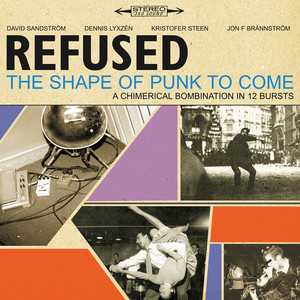
Album #22 (1001 challenge extended): "The Shape of Punk to Come: A Chimerical Bombination in 12 Bursts" by Refused (1998) "The Shape of Punk to Come: A Chimerical Bombination in 12 Bursts" is the third album by Swedish hardcore punk band Refused. Hard punk and post-hardcore are the Wiki-listed genres. The album continues the band's evolution from strictly punk to using more experimental influences although they would break-up a few months after the album's release. The album title was a reference to jazz artist Ornette Coleman and his 1959 album "The Shape of Jazz to Come." The bandmembers included Dennis Lyxzén (vocals), Kristofer Steen (guitars, bass, drums), Jon Brännström (samples, programming, synthesizers, guitars), David Sandström (drums, melodica, guitars) and Magnus Björklund (bass, cello). Upon its release, the album has mixed reviews. However, some critics currently see it as a landmark post-hardcore album. "Worms of the Senses/Faculties of the Skull" opens the album with sounds of cars, a guy talking and eerie feedback. The music kicks in with Lyxzén screaming. Off-kilter melancholic guitar riffs. Pace changes. This is hard rock on steroids with lots of similarities to Rage Against the Machine (a least in this song). "Liberation Frequency" has a more melodic guitar riff. Softer drums and vocals and even a groove until once again the bands explodes. The song switches between the loud and antsy and softer melodic in a song against the corporate media. The only-released single "New Noise" starts once again with that angular, antsy guitar riff and fast drum ticks. A song that builds. Synth noises and beats and echoing synth noises. There's that back and forth between the antsy and loud and fast. The song ends with the band in full throttle mode. Lyxzén repeating "We dance to all the wrong songs" as he attacks the current vapid and empty pop music. F'in great song. "The Shape of Punk to Come" continues that soft-loud-soft dynamic and adds a dance beat and layered guitars. A swirling guitar outro. The band adds a cello and ominous and droning guitar in "Tannhäuser/Derivè." Alternating ringing guitars and full-on band assault. They guys don't let up. Driving, loud, hard and fast punk/metal, lots of screaming, out-front drums and beat changes. The musical core is hardcore punk but they throw in groovy beats, jazzy intrudes, a cello, electronic beats and weird synth noises. These guys are sure angry attacking commercialization, the media and the state of punk and pop music at the time. The soft-loud-soft song structure alternating between the punk hardcore and antsy/anxious/urgent melodic totally worked for me. The album improved on a second listen and I really started to hear that post-hardcore style similar in bands like Slint and Shudder to Think. A strong recommendation for anyone who likes hard rock, punk or even metal. 5 out of 5
Album #23 (1001 challenge extended): "E•MO•TION" by Carly Rae Jepsen (2015) "E•MO•TION" is the third studio album by Canadian singer-songwriter Carly Rae Jepsen. Pop, dance-pop, synth-pop and disco are the Wiki-listed genres. Jepsen looked to transition from the bubble-gum nature of her second album "Kiss." She took inspiration from 80's music and alternative styles and enlisted a team of over 100 musicians and producers including Sia, Mattman & Robin, Dev Hynes, Ariel Rechtshaid, Rostam Batmanglij and Peter Svensson of the Cardigans. Commercially, the album reached #16 in the US and #21 in the UK and, critically, it had favorable reviews specifically for its pop escapism, catchiness, production and cohesiveness. "Run Away With Me" begins the album with horns, a synth beat and echoing soft vocals. The songs builds with a bigger, louder sound. There's layered vocals. The song does the soft-loud-soft. Well produced pop. "I Really Like You" is faster with a dance beat and synth melody. A singalong chorus. She's in between the like and love stage. Glossy but well executed. Multiple percussions and handclaps give "Boy Problems" more of an R&B vibe especially with the thumping bass. More of the echoing vocals. This is very 80's sounding. "Your Type" starts with electronic beats and an ominous, wavering synth. Jepsen with strong layered vocals as she struggles in a relationship. Layered synths. Very catchy. My favorite song on the album. Catchy melodies, very well produced, glossy at times but easy listening and a definite 80's synth-pop vibe. There's pop, ballad and dance songs. A number of these songs build with layers of vocals, synths and beats. The lyrics focus on her emotions/feelings at different stages and types of relationships and attractions: not too deep but fits the music. Overall, I found this a strong and very enjoyable pop album with really no filler. If pop is your bailiwick give this a listen or re-listen. 4 out of 5
Album #24 (1001 challenge extended): "Norther" by Ex-Easter Island Head (2024) "Norther" is the sixth album by English experimental music band Ex-Easter Island Head. Minimalism, ambient and experimental are the Wiki-listed genres. It was the first appearance of Andrew PM Hunt as a permanent bandmember and he was also the producer and mixing engineer for the album. The album title is based the meteorological term for the cold wind from the north. The instrumental music incorporated both structural compositions and free-form elements. Besides Hunt, bandmembers included Benjamin D. Duvall, Benjamin Fair and Jonathan Hering. All members are credited with playing guitars, percussion, synthesizers and gadgets. The album received positive albums. "Weather" opens the album with a sound created by a cellphone recording of haptic motors running over guitars strings. Haptic motor equals a gadget. The song builds and gets louder with percussions and layered synths added. The song is a conceptualization of a weather system. The self-titled "Norther" used a recording of an actual norther on an aeolian harp. A bubbly danceable synth melody. Percussion and bells. A compelling song. "Magnetic Bridges" begins with a shimmering guitar strikes and ticking percussion. Then we get the sound of voices amplified through guitar pick-ups. Experimental indeed! This is an all instrumental album. Melodies created from unique sources as well as synths. There's layers of percussion but nothing is too busy. The minimalist descriptor is apt. There is a chill and ambient vibe. A good album to six back and relax. The album reminded me of Tortoise whom I am a fan. This is a very decent album and I recommend it for anyone who likes ambient or chill music. 3.5 out of 5
Album #25 (1001 challenge extended): "Up" by Great Big Sea (1995) "Up" is the second studio album by Canadian folk band Great Big Sea. Folk and folk rock are the Wiki-listed genres. Great Big Sea is known for performing rock interpretations of traditional Newfoundland folk songs. The bandmembers included Alan Doyle (vocals, guitar, bouzouki, mandolin), Séan McCann (vocals, bodhran, guitar, Irish whistle), Darrell Power (vocals, bass, guitar, bones) and Bob Hallett (vocals, fiddle, accordion, mandolin, concertina, bouzouki, whistles, bagpipes). During the following 15 years, the band would go on to become one of Canada's best-selling artists. The album opens with a cover of Slade's "Run Runaway." Upbeat, fast pace, an Irish whistle and fiddle. Multiple vocals in a singalong song. Fun cover. They continue the fast pace in "Mari-Mac." Both lead and backing vocals are very fast-paced too; in fact, almost a rap style. An idiosyncratic drum beat. The pace matches the lyrics of a man put in the position of a highly pressurized arranged marriage. "The Old Black Rum" is another singalong song about alcohol and its effect. A shuffling beat, various acoustic instruments, the fiddle and a large raucous chorus. "The Chemical Workers' Song (Process Man)" takes a more serious tone: stark with a bass drum beat. Almost a capella with harmonized vocals. The exploitation of chemistry industry workers. The album ends with an ode to the sea and sea folk in "Rant and Rover." The Irish whistle and acoustic guitars are featured. Nice harmony vocals again. Upbeat, mostly fast paced, acoustic instruments, the fiddle and the Irish whistle. Strong lead vocals and nice harmonies. A modern take on traditional folk reminding me , at times, of the Pogues and for some reason, the Barenaked Ladies. The songs are split between the heartfelt personal songs dealing with relationships and the mostly singalong traditional songs. This was a fun and enjoyable album. I knew nothing about these guys but I can see why they were very popular for a good long time. 4 out of 5
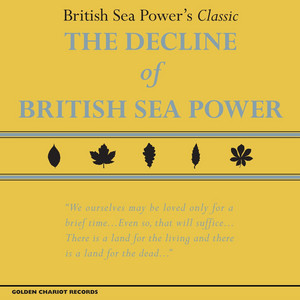
Album #26 (1001 challenge extended): "The Decline of British Sea Power" by Sea Power (2003) "The Decline of British Sea Power" is the debut studio album by British indie rock band Sea Power (formerly known as British Sea Power). Indie rock and post-punk revival are the Wiki-listed genres. The bandmembers included Yan (Scott Wilkinson) (lead vocals, guitar, piano, piano), Hamilton (Neil Hamilton Wilkinson) (bass, guitar, piano, organ, vocals), Noble (Martin Noble) (guitar, piano, backing vocals, organ) and Wood (Matthew Wood) (drums). The album opens with the short a capella song "Men Together Today" and then goes into the blazing "Apologies to Insect Life." Loud punk guitar and a garage sound. Wilkinson basically scatting with indecipherable lyrics. A chaotic ending. Surprisingly, the album takes a sharp left turn and heads into more melodic territory at song number four and for the rest of the album. "Remember Me" has a chunky and echoing guitar riff. A song that builds and very 80's indie sounding. Wilkinson's vocals are clearer and emotional; he wants to be remembered. They did not forget the fast pace and drumming in "Fear of Drowning." The distortion and layering of the guitars are more noticeable. I don't know why it took me until song number seven "The Lonely" to get the comp to the early 80's Pyschedelic Furs. Wilkinson's raspy vocals are similar Richard Butler's. The music is too with its dreamy melancholic melody. A piano is added to this one of their released singles. The guitars are layered and swirling in "Carrion." Another song that builds with an organ in the mix. They really go for it in the 13-minute "Lately." Ringing and echoing guitars and drum cymbals gives this a Grateful Dead vibe. They build a melody with layered guitars. Guitar feedback and somewhat noodling ventures this into the experimental. They add a wind blowing noise cause why not add wind blowing sounds at this point. This album starts fast, garage-like and unhinged. The melodic songs kick in but the band keeps sone of the intensity with guitar feedback, ringing and distortion. The vocals start out indecipherable and eventually become a little clearer with tones of melancholy and personal experience. The music reminded me mostly of early to mid 80's indie recalling the Psychedelic Furs, the melodies of the Replacements, the guitar experimental aspects of Sonic Youth and even the psychedelic jams of Pavement. You can tell they took the melancholic notes of Joy Division for the lyrics. I barely remember doing a sync listen of this album awhile ago which I liked at that time quite a bit; it sounded even better today. Even though its evident they took pieces of previous artists to construct this, it still is very much their own and does sound of its early 2000's time frame. This album is very much in my "wheelhouse" of music that I like: a high recommendation. 5 out of 5
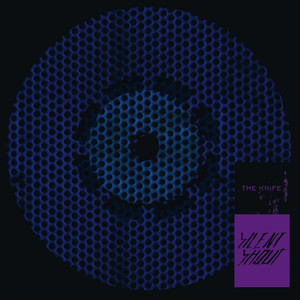
Album #27 (1001 challenge extended): "Silent Shout" by the Knife (2006) "Silent Shout" is the third studio album by Swedish electronic music duo the Knife. Synth-pop, techno and electronic are the Wiki-listed genres. This album is considerably darker than their previous release "Deep Cuts." One publication describes this album as Siouxsie Sioux meets Aphex Twin. Kind of right on there. The Knife consists of siblings, Karen Dreijer (also known as Fever Ray) and Olof Dreijer. The album had generally positive reviews with Pitchfork naming it the best album of 2006. Commercially, it reached #1 in Sweden and #28 on the UK Independent Albums Charts and #12 on the US Billboard Top Dance Albums. The album opens with the self-titled "Silent Shout." Electronic drum beats and pounds. A dance beat and techno synth melody are added. Muddled vocals led by Karen. Haunting, hypnotic and setting the album's tone. High-pitched and video game like synth keys begin "We Share Our Mother's Health" which get louder. Layered electronic beats and a wobbly synth. Layering also of Karin and Olof's vocals. A tribal beat carries the song off. A clickity-clack tap dance beat and a dreamy synth change things up in "Marble House." Karen with impassioned vocals. Electronic beats, echoing synths. Call and answer backing vocals. Dripping sounds develop into an electronic beat in "Like a Pen." Bubbly dance beats and a ticking synth melody. Eerie indeed. Haunting, hypnotic, dark, edgy and atmospheric. Electronic beats and ominous techno synth melodies, both layered most of the time. The vocals are muffled, anxiety-filled, yelling and just plain scary. They are mostly Karen's but Olof adds a needed contacting texture. The music builds as the synths, beats and vocals get louder and layered. Nothing ever really settles into place; the lyrics are abstract at best. The music is both hypnotic and complex creating an eerie atmosphere with manipulating synths and beats never really sounding the same between songs. I don't know if I can quite call this a landmark album but it is definitely a masterpiece. This is an outstanding album. 5 out of 5
Album #28 (1001 challenge extended): "Az ördög álarcosbálja (The Devil's Masquerade)" by Syrius (1971) "Az ördög álarcosbálja (The Devil's Masquerade)" is the debut album by Hungarian progressive rock band Syrius. Jazz-rock and progressive rock are the Wiki-listed genres. The bandmembers included Baronits Zsolt (saxophones, vocals), Orszáczky Miklós (vocals, bass, violin, acoustic guitar), Pataki László (piano, organ), Ráduly Mihály (saxophones, flute, piccolo) and Veszelinov András (drums, vocals). The band had commercial success in Australia. "Concerto for a Three" starts the album in a very classical way with violin strings and a prancing piano. The band kicks in with the bass, drums and a sax. Flute and piccolo accents. Yes, a combo of jazz and prog. There's yodeling. Various time signature changes (that's throughout the album). An organ fills out the songs. "Crooked Man" continues the complex beats. A sax and flute. With the vocals, this has a very Jethro Tull-ish vibe...up until the piano comes in and we're back to a prog jam. The band actually goes for a little bit of soul in "I've Been This Down Before" with the piano and vocals. The flute, sax and piano change the musical tone to more jazzy. These guys don't sit still. "Devil's Masquerade" shows the band at both their prog and free jazz forms. A organ intro goes into a prog style with the sax in the lead. Multiple sax's are each soloing and we are into free jazz. Never boring. "Psychomania" is similar employing both styles but the song twists and turns with multiple time signature changes. Oh, and a flute solo; we needed that. Prog, jazz fusion and free jazz but mostly equal parts prog and free jazz. Complex drum time signatures and changes. Sax, flute, piano and organ fills, solos and melodies. The vocals are somewhat at a minimum and sounding a lot like Chicago's Robert Lamm. The lyrics are split between early 70's prog like with topics such as journeys, bishops, the devil and medieval topics and the more personal. At times, the music reminded me of Jethro Tull. Frank Zappa, King Crimson and early Chicago. Overall, I thoroughly enjoyed this; not excessive in bloated prog noodling and displaying exceptional musicianship. So, if you're a prog or jazz fan, there's plenty here to like. 4.5 out of 5
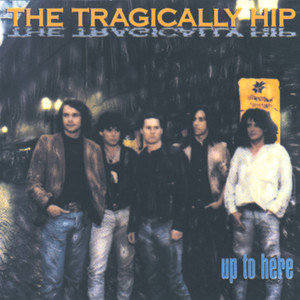
Album #29 (1001 challenge extended): "Up To Here" by the Tragically Hip (1989) "Up To Here" is the debut studio album by Canadian rock band the Tragically Hip. Alternative rock, rock roots, folk rock, country rock and blues rock are the Wiki-listed genres. The album was recorded at Ardent Studios in Memphis with producer Don Smith. The bandmembers included Bobby Baker (guitar), Gordon Downie (vocals), Johnny Fay (drums), Gordon Sinclair (bass, vocals, acoustic guitar) and Paul Langlois (guitar, vocals, bass). The album saw decent commercial success in Canada but lack of success in the US. The album opens with "Blow at High Dough." Drum ticks, a soft meandering electric guitar and Downie singing "I shot a moose once in my hometown." The band kicks in with bluesy guitar strikes. Loud and bass forward. Chasing what's just out of reach. Downie also struggles with the pull to party or pull back in the fantastic "New Orleans Is Sinking." Another soft guitar riff which gets layered with another guitar riff. Bluesy and down and dirty. Downie with lower octave vocals. Hypnotic and evil sounding. "38 Years Old" was inspired by a prison escape. Slower with an acoustic guitar and accented by long, stretched electric guitar notes. "Boots or Hearts" takes it a step further with the acoustic guitar and ventures into country blues. A bluesy stompy beat. Electric guitar and handclaps are added later. The album ends strong. "Another Midnight" is more melodic with a layered acoustic and electric guitar. This actually sounds happy and very similar to what the Gin Blossoms would sound five years later and that's not a bad thing. Ah, but we have to end with the dark "Opiated." A harder edge guitar and snarly vocals. No need to guess what this is about. A bluesy rock beat and bass. Layered, driving guitars with nasty riffs and melodies although they show a country rock tilt in a few songs. A dark tone but a few songs of hope. Downie with impassioned vocals telling cautionary tales that never end quite well and the struggle between success/fun and the need to pull back. The lyrics are very Drive-by Truckers just not as straightforward. This is a solid, solid album. I do regret not seeing this guys live but at least we have their records and this one is well worth a listen. 5 out of 5
Album #30 (1001 challenge extended): "Get Heaven" by Everything Everything (2015) "Get Heaven" is the third studio by British band Everything Everything. Art pop, art rock and progressive pop are the Wiki-listed genres. The lyrical themes are dark focusing on "global tensions and political happenings during 2014 (Islamic state of Iraq and the Levant, media coverage of the 2015 general election in the UK and various mass shootings) contrasted by upbeat music." Well, for about half the album. The bandmembers included Jonathan Higgs (vocals, guitar, keyboards, programming), Alex Robertshaw (guitar, backing vocals, programming, keyboards), Jeremy Pritchard (bass, backing vocals, keyboards) and Michael Spearman (drums, percussion, keyboards, backing vocals). The album was well received by critics and, commercially, it reached #7 in the UK. The album starts fairly stripped down with Higgs on vocals and no instruments. The band eventually comes in loud. Meandering guitar riffs a la Radiohead-era "Hail to Thief." A dramatic opening. The first single "Distant Past" is softer. Drums pounding and Higgs rapping. More beats and the piano. It's upbeat and poppy. The high point of the album has to be songs four and five. "Regret" has a pounding beat and a 60's sounding vocal chorus repeating "regret." Melodic with the synth keys. Echoing backing vocals and a swirling guitar solo. "Spring/Sun/Winter/Dread" brings back the bouncy beat. A wavering synth melody. I finally realize Higgs vocals can sound at times like Chris Martin's. Very, very catchy. Another swirling guitar, this time carrying the song out. Musically, the second half of the album takes a much darker turn. The best of these songs is "No Reptiles." Electronic drum beats. Soft nonsensical becoming more sensible vocals. Layered dark synths. The volume gets cranked up as the song builds. Higgs searches for a meaning to his life and a path to happiness. The music in the first half of this album has a pop beat and happy synth melodies. I would call this style prime for the Alt Nation crowd and bands like Walk the Moon, Young the Giant and Bastille. The exceptions being two outstanding songs previously mentioned. The album then takes a sharp left in the second half and we're in much darker waters. Electronic beats and dark synths. Radiohead had to be a major influence. Overall, I found this album a very entertaining listen. I'm not a big Alt Nation music fan but they really didn't stay there too long. Lots to enjoy and a firm recommendation to at least give it a spin. 4 out of 5
Album #31 (1001 challenge extended): "Yeti" by Amon Düül II (1970) "Yeti" is the second studio album (and a double one at that) by German rock band Amon Düül II. Krautrock, progressive rock, psychedelic rock, avant garde and raga rock are the Wiki-listed genres. The album was described as "one of the cornerstones of both Amon Düül's career and the entire krautrock movement. The bandmembers included Peter Leopold (drums), Christian "Shrat" Thierfeld (bongos, vocals), Senate Knaup (vocals, tambourine), John Weinzieri (guitars, vocals), Chris Karrer (violin, guitars, vocals), Talk Rogner (organ) and Dave Anderson (bass). The album was met with critical acclaim and placed at #41 in "Rolling Stone's" greatest prog rock albums. The album opens with the four-part suite "Soap Shop Rock." "Burning Sister" has a start-stop beat, 60's garage/psychedelic slicing guitars and a prominent bass. Karrer and Weinzieri with screaming vocals and Renate Knaup with operatic backing vocals. They slow things down in "Halluzination Guillotine." A deep and prominent bass. Back to psychedelic guitars sounding very Velvet Underground-ish. Lots of drum fills. The guitars become more urgent, repetitive and ringing. The violin is added to the closer "Flesh-Coloured Anti-Aircraft Alarm" raising the drama level. The main vocals are fearful and combined with the operatic backing vocals gave me chills. "Archangels "Thunderbirds" comes out loud and driving with the drumbeat, organ and guitar riffs/slashes. Knaup with howling vocals. The guitars become layered in what is best called a psychedelic-grunge fusion. The album closes, which includes both sides C and D, with three songs labeled as improvisational although the whole album sounds pretty improvisational to me. "Yeti" opens with guitar feedback which transitions to what best may be called guitar and bass noodling. A piercing high-pitched guitar backed by fast-paced drum beats and bass. The song builds with muffled vocals added. Flute melodies highlight "Sandoz in the Rain." Raga rock and a sitar-sounding guitar. A violin. Karrer and Knaup on psychedelic vocals as they venture into the wild. And of course, bongos join in for the outro. What a trip! Krautrock indeed! Psychedelic and sitar-like guitars, busy drums, the flute, the violin, grungy and stoner rock, hypnotic beats and long extended jams. There's a heaviness to the bass and drums that also take this into metal territory at times. Muddled, screaming and operatic vocals. There's a mix of instrumental and vocal songs. Epic and vast and I imagine traveling in the desert or probably tripping on "you name it" or better yet wielding a scythe in a busy, hazy land. Yeah, I liked this album. A must listen for any prog rock or pyschedelic fans. 5 out of 5
Album #32 (1001 challenge extended): "Deceit" by This Heat (1981) "Deceit" is the second and final studio album by English experimental band This Heat. Experimental rock and post-punk are the Wiki-listed genres. The songs were assembled from largely improvised recordings with themes of fear of nuclear war and imperialism. The songs also have varying degrees of sound quality as the band wanted to make it sound as though the record player was exploding. The bandmembers included Charles Hayward (vocals, drums, keyboards, guitar, bass, tapes), Gareth Williams (vocals, bass, keyboards, tape) and Charles Bullen (vocals, guitar, clarinet, drums, tape). The album was well-received by critics with Pitchfork ranking at #73 on their best album of 1980's. Chanting of "Go to Sleep" opens the song, you guessed it, "Sleep." Tribal beats, a humming sound. A weird guitar which develops into a melody. Vocals develop with handclaps. A haunting, subdued tone. A Middle Eastern acoustic guitar starts "Paper Hats." Screaming vocals and random sounds. A bass and drum groove develops. Yes, experimental. They get a rock beat and a post-punk guitar going in the wonderful "S.P.Q.R." A harmonized vocal chorus takes the lead. More percussion and the song builds. A song about the cyclical nature of history and the influence of the Roman empire. The next song "Cenotaph" takes a gloomy look at nuclear war. Ominous synth and guitar strikes. Weird idiosyncratic beats. Hypnotic. Ringing. And a chaotic end. The chanting comes back full force in "A New Kind of Water." Drums pounding. A psychedelic background guitar. The song changes a bit as the guitar and bass becomes melodic, the pace picks up and a lead vocalist takes over. Dramatic. A comment on the environment. Stark with a minimalist approach to instruments at times. Experimental with random noises and sounds. Layered percussion. Ringing post-punk guitar riffs. Lots of chorus vocals, harmonized, chanting or in the lead. An overall ominous and foreboding tone reflecting the lyrics on nuclear war, environmental decay and the inevitably of history negatively repeating itself. I saw a critic comment this as "existential dread." Very apt. And you know what, this album is great. The songs I mentioned are all outstanding. The overall tone and its effect made me play it immediately again. So, if you're post-anything fan (punk, rock) or like interesting experimental rock music, I highly recommend this very you. 5 out of 5
Album #33 (1001 challenge extended): "Sailing the Seas of Cheese" by Primus (1991) "Sailing the Seas of Cheese" is the second studio album and major label debut by American rock band Primus. Funk metal and alternative metal are the Wiki-listed genres. Yep! The bandmembers included Les Claypool (vocals, an assortment of basses, clarinet), Larry LaLonde (guitar, banjo) and Tim "Herb" Alexander (drums, percussion, water jug). Commercially, the album reached #116 on the US Billboard 200 and critically had decent reviews with one citing "excellent musicianship amidst cartoonish fun." The album opens with the short "Sea of Change." A grinding bass and Claypool singing operatically inviting you to sail the sea of change. "Here Come the Bastards" has a prodding, echoing guitar and a thunderous bass and beat. Anxious vocals and a dirty guitar solo (most songs have a token guitar solo). As with most songs the bass leads the melody in "American Life." Claypool with softer vocals as he sings about immigrants coming to America and the disparity between reality and dreams. A screeching guitar. Hypnotic up until they speed it up to the end. Claypool exercises his six-string bass melody skills in "Jerry Was a Race Car Driver." A howling guitar in the background. Drums adding to complexity with the beat and fills. The song goes heavy and comes back. I guess we don't want to be Jerry. Tom Waits adds growling spoken words to the wacky "Tommy the Cat." They also get the funk going. Claypool's vocals in barker-like fashion. More impressive bass. The bass also gets quite funky in "Those Damned Blue-Collar Tweekers." A hard rock guitar. The soft-loud-soft in a funk metal fusion. Thunderous, thumping, slapping complex melodic bass lines. Pounding drums. A wandering, screeching guitar mainly used in the background and in solos. Claypool's vocals are sparky, whispering, unique and sometimes annoying. The music can be funky, slow, grungy or metallic and sometimes a combination of each. I thought the music showed the most potential went it veered into metal and prog territory. I admit to not being the biggest Primus fan only having listened to their next album, "Pork Soda." This album is much better than that. Overall, I did like this album. For that, I'd recommend it to anyone who likes funk, metal or a fusion of each and also excellent musicianship, especially the bass. 3.5 of 5
Album #34 (1001 challenge extended): "Korn" by Korn (1994) "Korn" is the debut studio album by American nu metal band Korn. Nu metal and alternative metal are the Wiki-listed genres and it is also cited as the album that started the nu metal genre. Why oh why??? The album was recorded in Malibu with producer Ross Robinson and with themes of child abuse, drug abuse and bullying. Yes, and in great and personal detail. The bandmembers included Jonathan Davis (lead vocals, bagpipes), Brian "Head" Welch (guitar, backing vocals), James "Munky" Shaffer (guitar), Reginald "Fieldy" Arvizu (bass) and David Silveria (drums). Commercially, the album reached #72 in the US and #181 in the UK. The album initially had mixed reviews but, in retrospective, critics have recognized it as one of the best metal albums of 1990's. The albums opens with first single "Blind." Drum ticks, an off-kiltered guitar riff and the Davis asking "Are You Ready?" A fuzz-toned guitar and a heavy sound. Davis with creepy vocals, rapping and yelling, on drug addiction. Dark. Very dark. "Need to" has a Black Sabbath-esque guitar riff. Complex drumming. The guitars develop an urgent and hypnotic riff. Anguish in Davis' vocals as he is confused in a relationship he doesn't want to be in. The last single "Clown" has a similar fuzzed and whacked-out guitar riff. A slow grinding pace. Davis confronts his high school bullies. Davis eerily repeats nursery rhyme lines in "Chutes and Ladders." And that is the intent as he transforms those lyrics into something hiddenly frightening. Bagpipes open the song. A ringing, screeching guitar that is surprisingly post-punk. A capella and operatic vocals begin "Daddy." Slow and eerie. Davis details his sexual abuse as his parents watched. The music follows with thunderous drums and more ringing guitars. The song ends with Davis breaking down, crying and yelling out. That actually did happen (there was no acting) and producer Robinson told the band to keep on playing. A truly stunning and disturbing song. I am not afraid to declare that nu metal ranks near, if not at, the bottom of my favorite musical genres. Thankfully, this album is an exception to that. Heavy, dark and harrowing. Fuzzy, scratchy and grinding guitars with no real melodies but perfectly fitting the tone. The drums can be tinny but are also pounding and complex at times. The bass contributes to that heavy foundation. The unfortunate star of show is vocalist and lyricist Jonathan Davis as relives and recalls his horrifying real life experiences in grave detail. He whispers, raps, sings, talks and screams. This on its own can all be annoying but you really start to ignore what might annoy you in favor of the intensity and result. This is quite an album and a high recommendation for any heavy metal/hard rock fan. 5 out of 5
Album #35 (1001 challenge extended): "Deadwing" by Porcupine Tree (2005) "Deadwing" is the eighth studio album by British progressive rock band Porcupine Tree. Progressive rock, progressive metal and alternative metal are the Wiki-listed genres. The album was based on a screen play written by bandmember Steven Wilson and Mike Bennion and is a ghost story. The bandmembers included Wilson (vocals, guitar, piano, keyboards, dulcimer, bass), Richard Barbieri (keyboards, synthesizers), Colin Edwin (bass) and Gavin Harrison (drums, percussion). Commercially, the album reached #132 in the US and #97 in the UK and received solid reviews. The self-titled "Deadwing" opens the album. A soft, undulating synth, a ringing melodic guitar and rock beat. An underlying heavier guitar comes in and the song becomes driving. The vocals and music kind of sound like Incubus. The song turns more prog at the end with layering of synths and guitars. The first single was "Shallow" and has more of a standard hard rock riff. Echoing vocals and there's a bit of Tool here. The other released song was "Lazarus." Piano and softer vocals takes this into pop territory. A pedal steel guitar, higher octave vocals, nice backing vocals, synths and a acoustic guitar. "Arriving Somewhere but Not Here" starts out with a dreamy synth and acoustic guitar. Wilson with wondering lyrics and echoing vocals. The song becomes more rock then more metal. Interesting transitions. The album closes with another song that starts dreamy in "Glass Arm Shattering." A slow drum beat and soft layered guitars. The underlying synth makes this not out of place on a Radiohead or Grandaddy album. The pace picks up and builds. A piano, harmonized vocals, synth and guitar carry it to the end. Best song on the album. The music on this album is a mix of hard rock, a little metal and prog especially near the end of songs. Guitar riffs, upfront drumming and underlying dreamy or eerie synths. I didn't pick up on the ghost story narrative but the lyrics are meditative, searching or pondering past relationship failures. I admit to not getting into this album for awhile. There is nothing wrong: the album is well produced but there is nothing outstanding. That was up until the last song which I thought was great and prompted me for a re-listen where I enjoyed it a lot better for what it was. So, an overall decent album and is recommended for anyone who is a hard rock, progressive rock or metal fan. Just remember, it is definitely not any of the extreme ends of those styles. 3.5 out of 5
Album #36 (1001 challenge extended): "Fear of a Black Planet" by Porcupine Tree (2007) "Fear of a Black Planet" is the ninth studio album by British progressive rock band Porcupine Tree. Progressive rock, progressive metal, art rock and alternative rock are the Wiki-listed genres. The title is a reference to album of the same name by Public Enemy. The album's themes deal with "the fear of losing the current generation of youth to various common threats to their mental and social well being." The bandmembers, in case you might have forgotten, are Steven Wilson (vocals, guitars, keyboards, keyboards, piano), Richard Barbieri (keyboards, synthesizers), Colin Edwin (bass) and Gavin Harrison (drums). Commercially, the album reached #59 in the US and #31 in the UK and was critically highly acclaimed. The album opens with the self-titled "Fear of a Black Planet." Anxious guitar strings, an underlying synth and popping drums. An ominous synth in the lead as Wilson sings about the disconnection of the modern youth. An edgy and paranoid vibe. Various rhythm shifts throughout. "My Ashes" is more dreamy with a piano and an acoustic guitar. Strings are added. A very majestic song. The 17-minute "Anesthetize" is a three-song suite. The song features Alex Lifeson on guitar. The first part continues the dreamy being more synth driven. The middle song is hard driving with heavy metal guitar. The song ends slower and organ led. Quite the sci-fi journey. Well, I was surprised to see back-to-back Porcupine Tree albums. I don't know if it is a good or bad thing but it does allow for a good comparison. And to me, this album is definitely better than "Deadwing." The songs lean more into the prog rock with strings, intricate drumming, changes of pace and a more cohesive and consistent theme (that of alienation and numbness of the youth). There's also more use of synths and keyboards. Each song features more instruments but none of these songs are busy and are given space. So, I did enjoy this album and if you want a more modern take on prog rock or where to start with Porcupine Tree, this is the album. 4 out of 5
Album #37 (1001 challenge extended): "Fantastic Planet" by Failure (1996) "Fantastic Planet" is the third studio album by American alternative rock band Failure. Alternative rock, post-grunge, space rock and art rock are the Wiki-listed genres. The album had space rock themes and was well received critically although it failed to chart. The bandmembers included Ken Andrew's ( vocals, guitar, bass), Greg Edwards (guitar, bass, piano, percussion) and Kelllii Scott (drums). The album opens with "Saturday Saviour." The sounds of birds and other noises progresses to a slow rhythm guitar/bass which gets overlayed by a lead guitar. Drums kick in and there's a slow rock grind. An echoing guitar solo. Post-grunge for sure. "Smoking Umbrellas" has a higher pitched strumming post-punk guitar. A melodic bass and shuffling drums. An eerie piano and dark lyrics of existential dread. "Pitiful" combines post-punk and post-grunge. An urgent, slashing guitar with loud drums and a thumping bass. The vocals goes from whispering to loud as Andrews' sings of repeated disconnections in relationships. A ripping guitar solo too. "Another Space Song" begins with high-pitched eerie guitar notes. Very Slint-esque. The song builds. Yes, very space like. High-pitched piercing guitar notes highlight the first single "Stuck on You.'" The song heads into a more melodic hard rock song. He can't get past a previous relationship. Driving, grungy, grinding or post-punk guitar(s) lead the songs. An upfront melodic bass and impressive drumming. Andrews' vocals are like a more gruff Scott Weiland and more anxious. The lyrics are eerie and dark and about disillusionment, detachment and drugs. This album does sound of its mid to late 90's time frame and bands like Hum and Slint. But, I really like those bands and that music so I also really liked this album. So, a strong recommendation for those fans of post-punk, grunge (post-grunge) or just plain hard rock. 4.5 out of 5
Album #38 (1001 challenge extended): "Diamonds & Gasoline" by the Turnpike Troubadours (2010) "Diamonds & Gasoline" is the second studio album by American country music band the Turnpike Troubadours. Red dirt, Americana, country and country rock are the Wiki-listed genres. The bandmembers included Evan Felker (lead vocals, harmonica, acoustic guitar), RC Edwards (bass), Kyle Nix (fiddle, backing vocals), Ryan Engleman (guitars), Giovanni Carnuccio III (drums, percussion, backing vocals) and Roger Ray (guitars, dobro). The album opens with "Every Girl." Harmonized strong vocals. Acoustic guitars, a fiddle and a rock beat. There's a fiddle and electric guitar solo. OK, not bad. "7 & 7" has a quicker beat. Felker with nice strong vocals again realizing he's not getting his childhood sweetheart. A lead fiddle in more of a country rock song. The band gets the pedal steel going in "Whole Damn Town." More melodic with an electric guitar in a heartbreak ballad. A melancholic acoustic guitar leads the self-titled "Diamonds & Gasoline." Felker is struggling between making a commitment and losing his freedom. The album ends with "Long Hot Summer Day." This song has all the instruments, the fiddle, harmonica, drum ticks, a bluesy electric guitar. A song about a hard-working man working on the Illinois River. The core of this music is country but at times there can be a rock beat and the music can blend and blur into alt country, Americana, country rock and even hints of blue grass. Layers of acoustic guitar, electric guitars, pedal steel and a dobro. Strong lead vocals by Felker. Storytelling lyrics about love lost, love never had and small-town tales. I'm not a big fan of modern country but I'm not sure this exactly fits into most modern country. Regardless, this is a solid album and this band probably is a great live band. A recommendation for any fan of country or the aforementioned musical styles. 3.5 out of 5